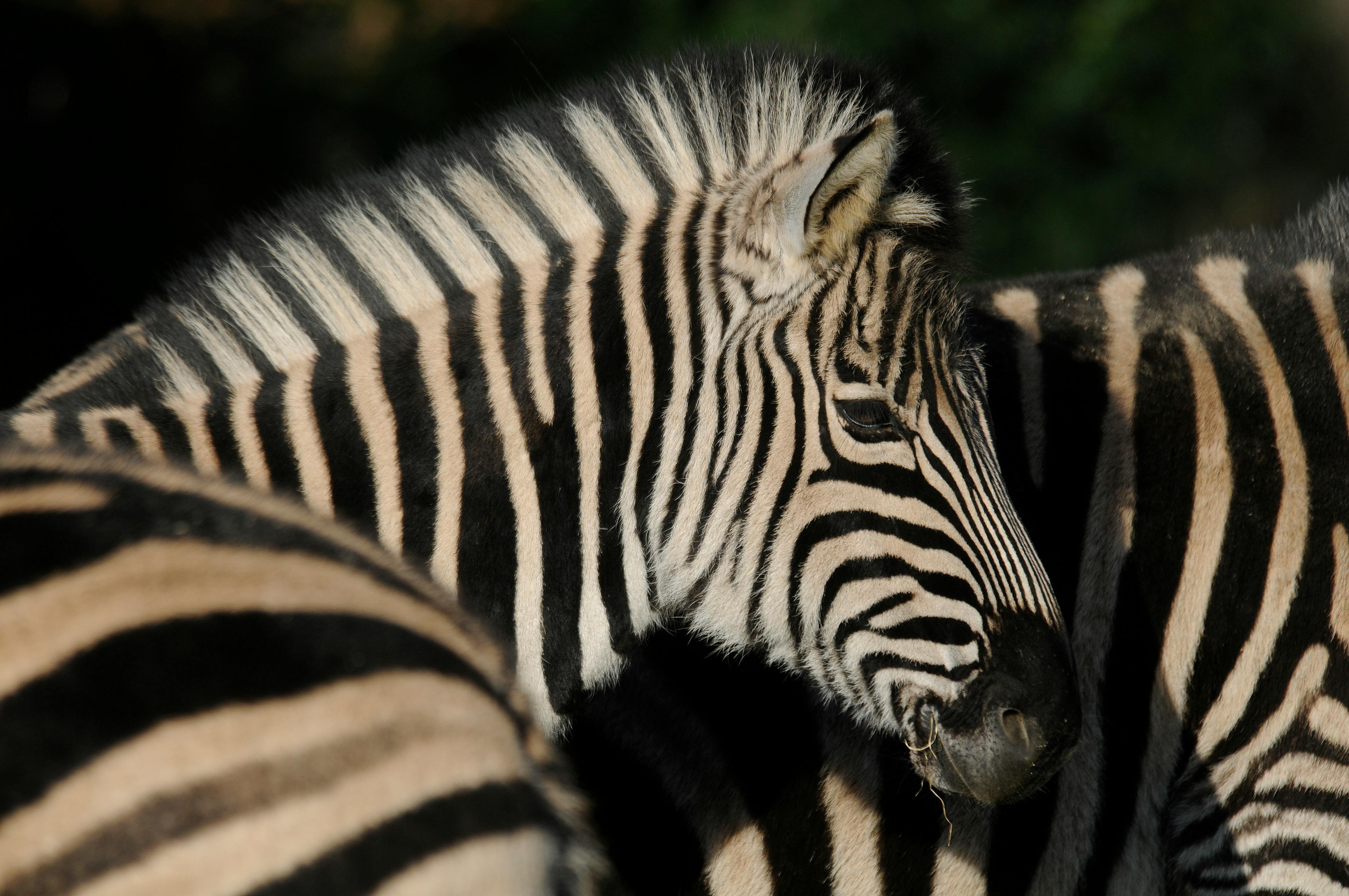
On the African plains you can barely recognize the individual animals between the stripes when you look at a herd of zebras. And that is exactly the goal, because this helps to keep flies away. Unfortunately, this tactic is less effective against poachers. Among other reasons, this is the cause of the decline in numbers of this iconic species. Read more about this horse in striped pajamas here!
Equus quagga chapmani
± 20 years
127 - 140 centimetres
217 - 246 centimetres
175 - 320 kilograms
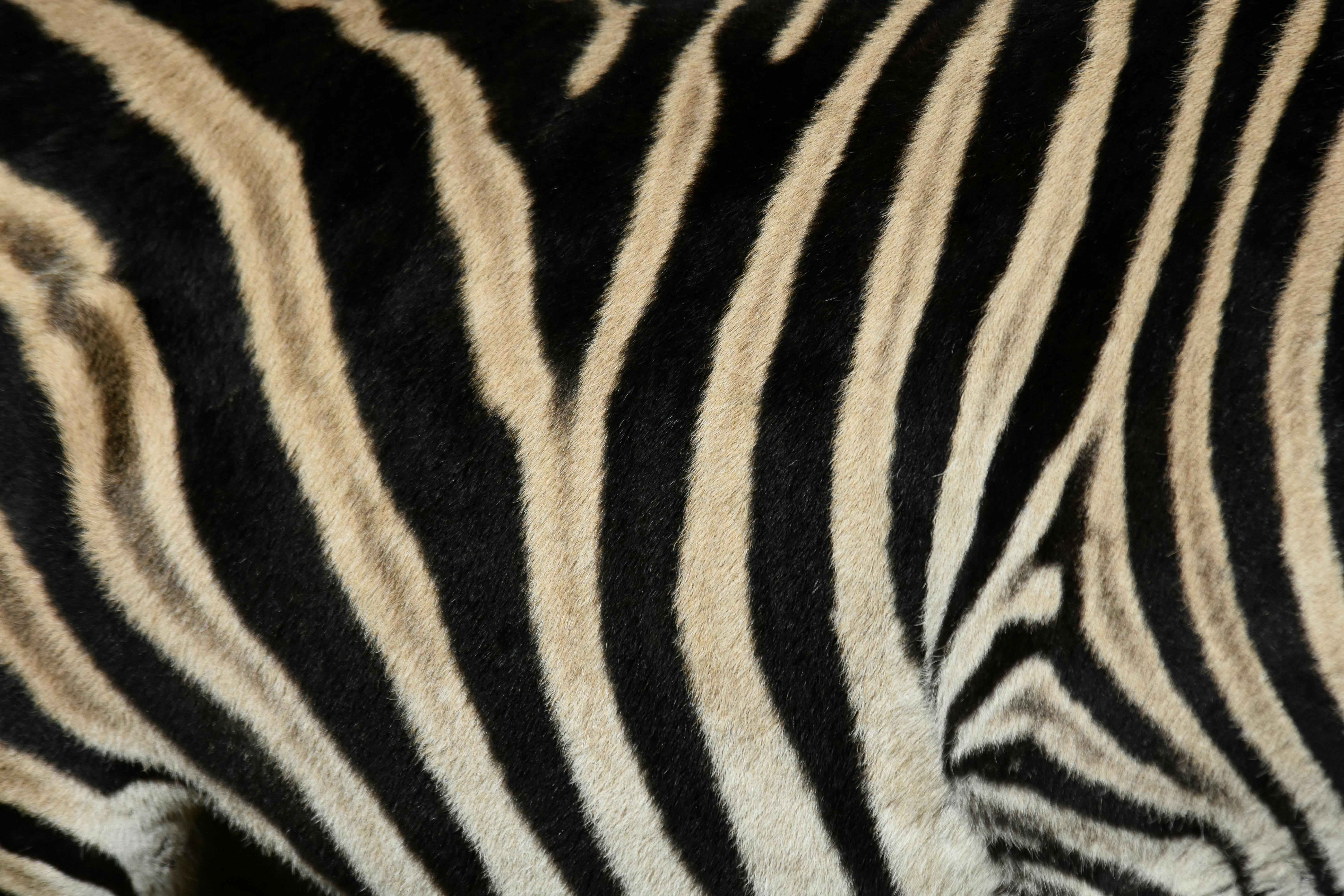
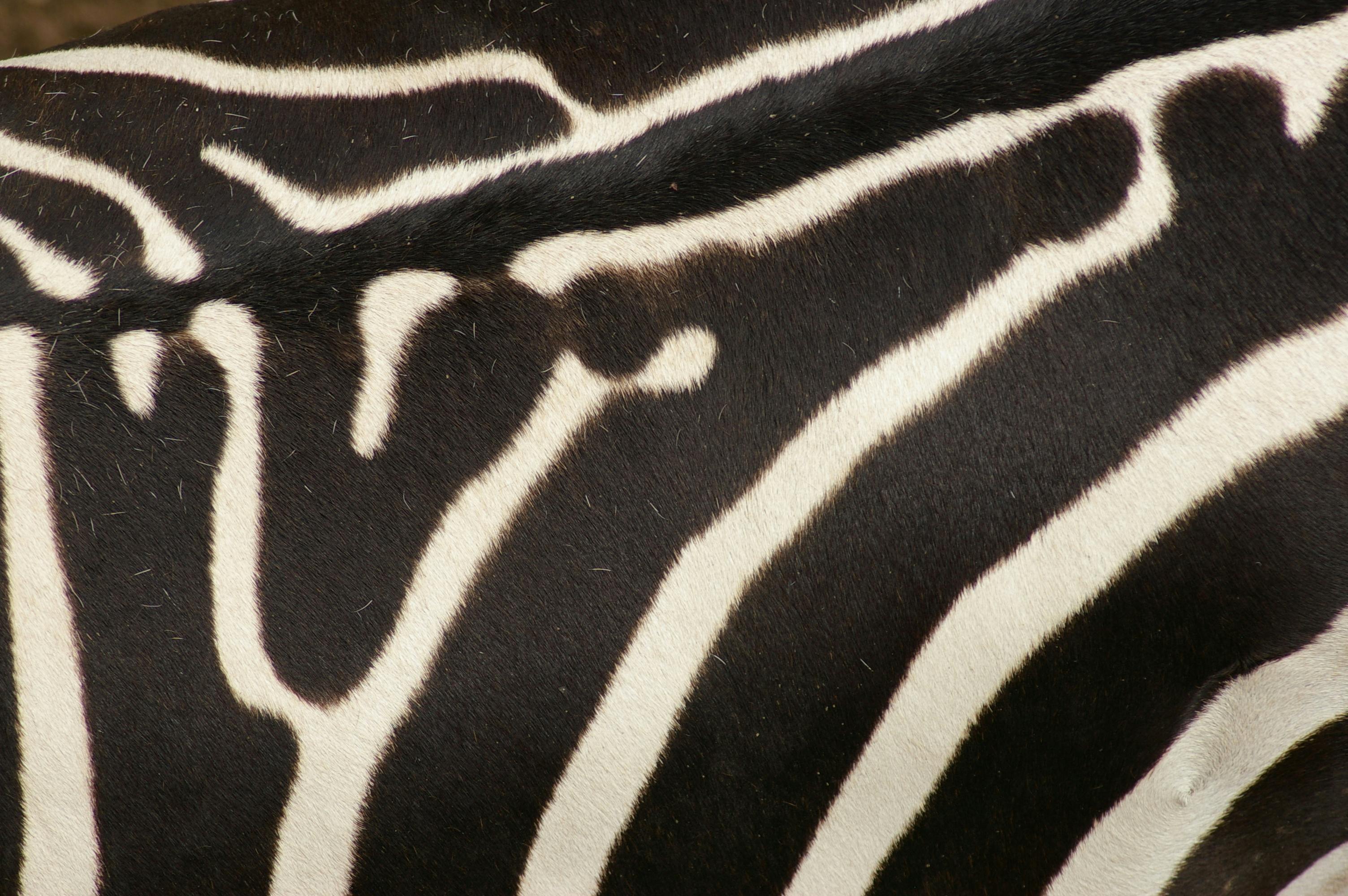
The first thing that stands out when you look at the Chapman’s zebra are their bold stripes. Each zebra has a unique pattern. The stripes of the males are darker than those of the females. Those are slightly more brown in colour. On top of that, you can recognize the Chapman’s zebra by their light grey ‘shadowstripes’. Other (sub)species, like the Grevy’s zebra, don’t have these stripes.
Did you know that zebras are actually black with white stripes? The skin of a zebra is black. The embryo in the womb is also black. The white stripes only become visible after birth.
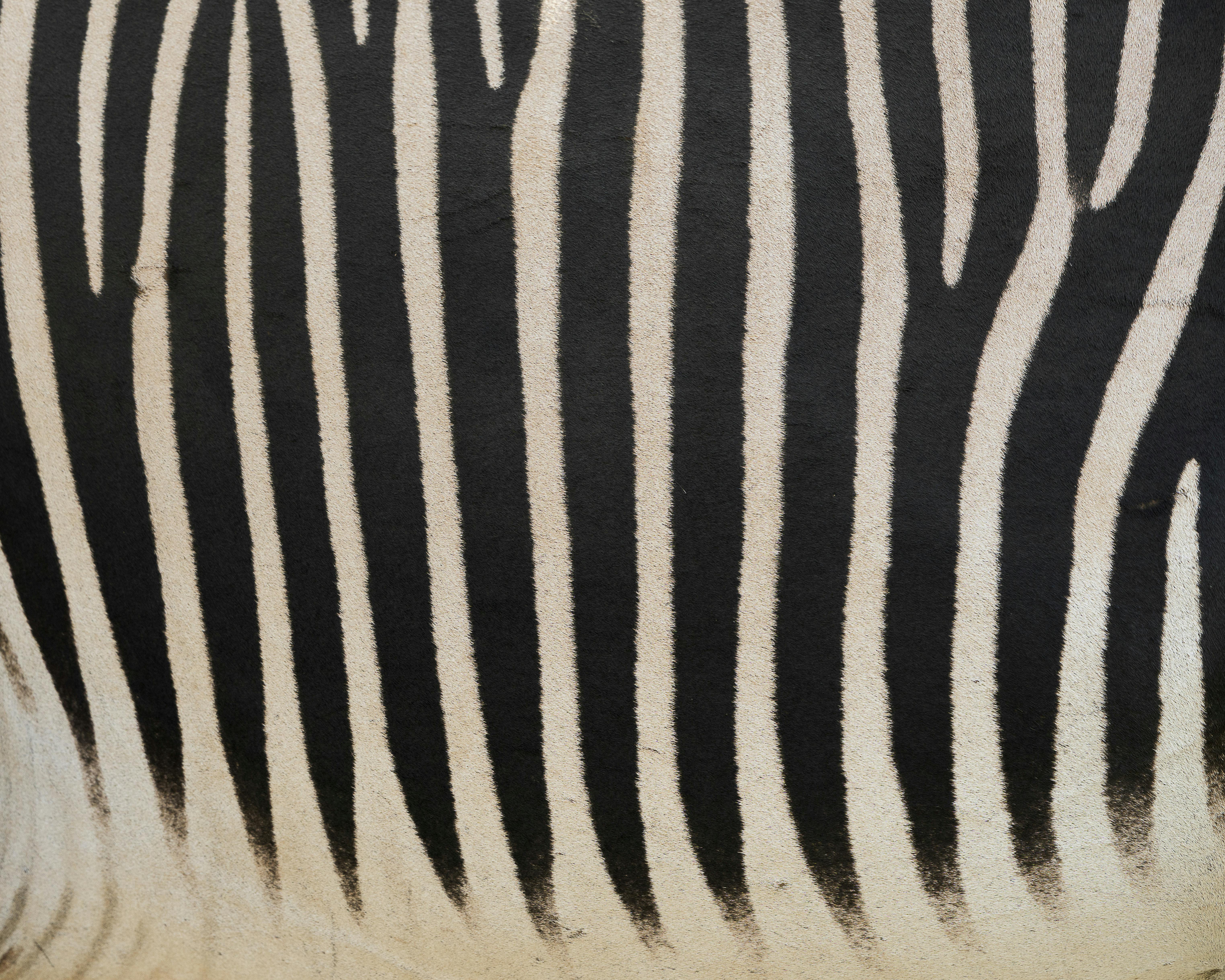
The Chapman’s zebra is a subspecies of the plains zebra. This subspecies lives in the southern region of Africa, including the north of South Africa, Zimbabwe, and eastern Botswana. They live on vast plains where they can graze comfortably. But at night, they like to move into the vegetation to hide from predators. It is important for zebras to be close to a water source. Especially during the dry season, as they need to drink multiple times a day.
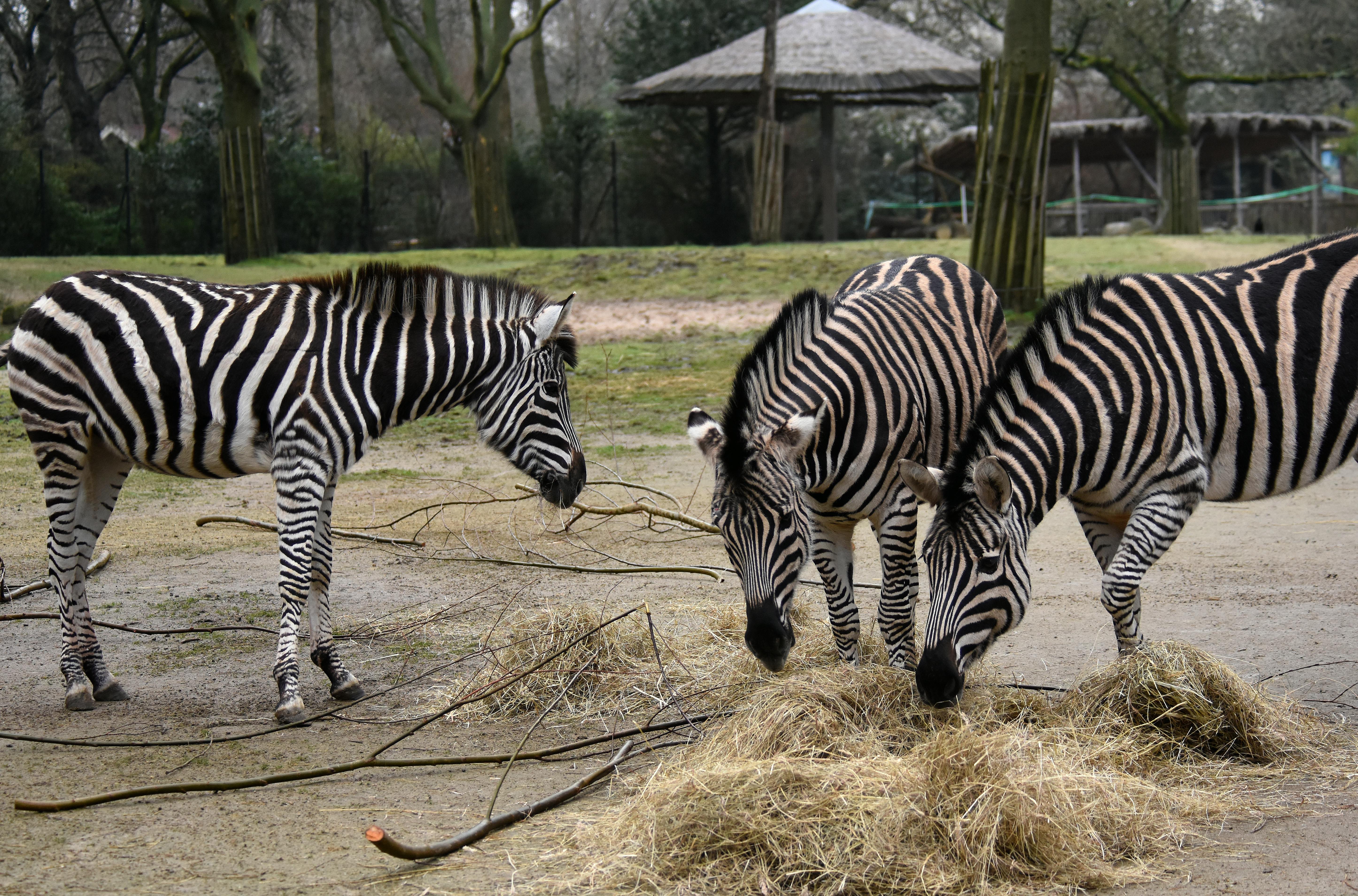
On the savanna is where the Chapman’s zebra thrives. That is because zebras are true grazers. They prefer the dry grasses on the savannas, but they can also tear leaves from trees and bushes with their large incisors. Since the plants they eat are not very nutritious, they need to eat a lot. Therefore, zebras graze for about 20 hours a day!
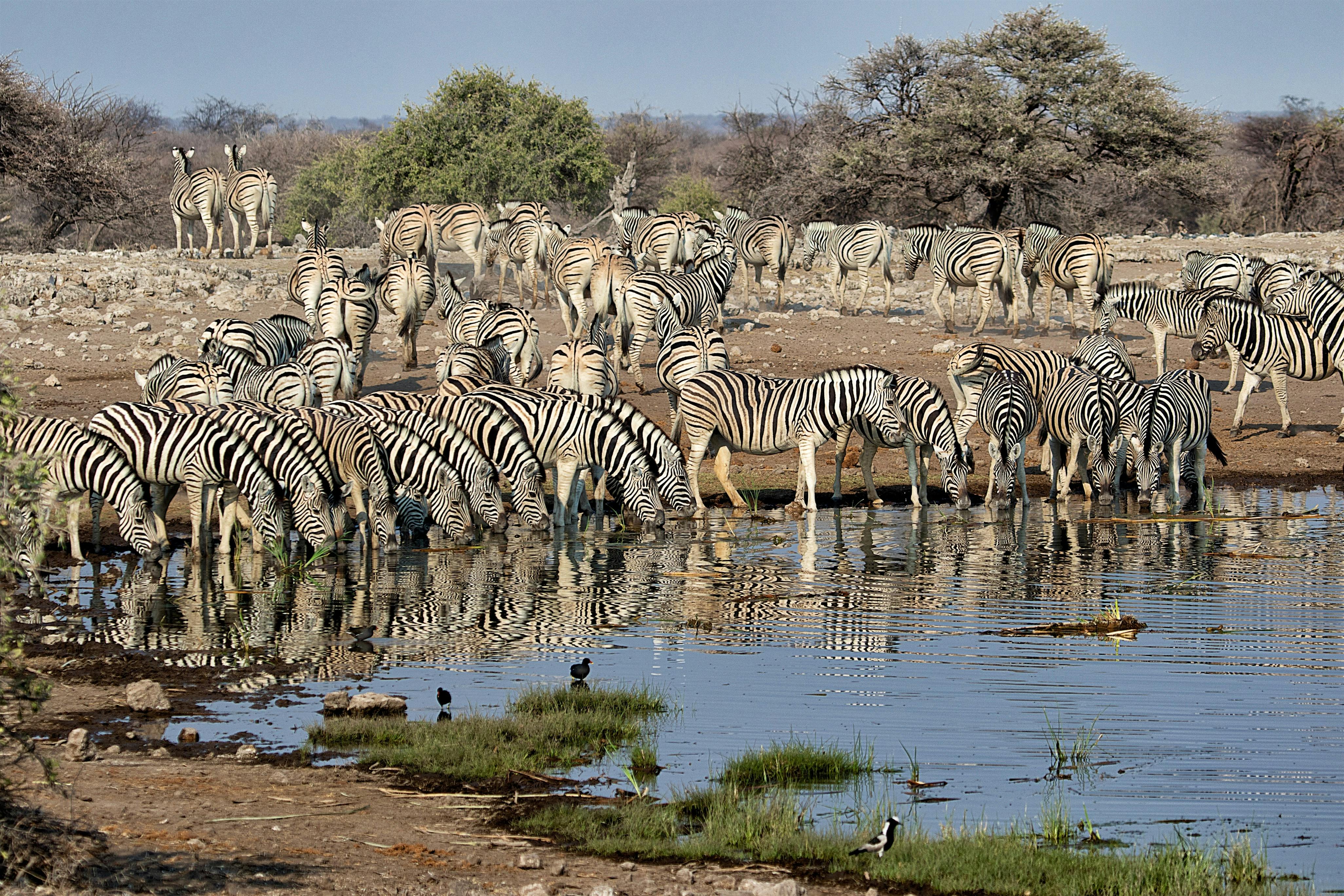
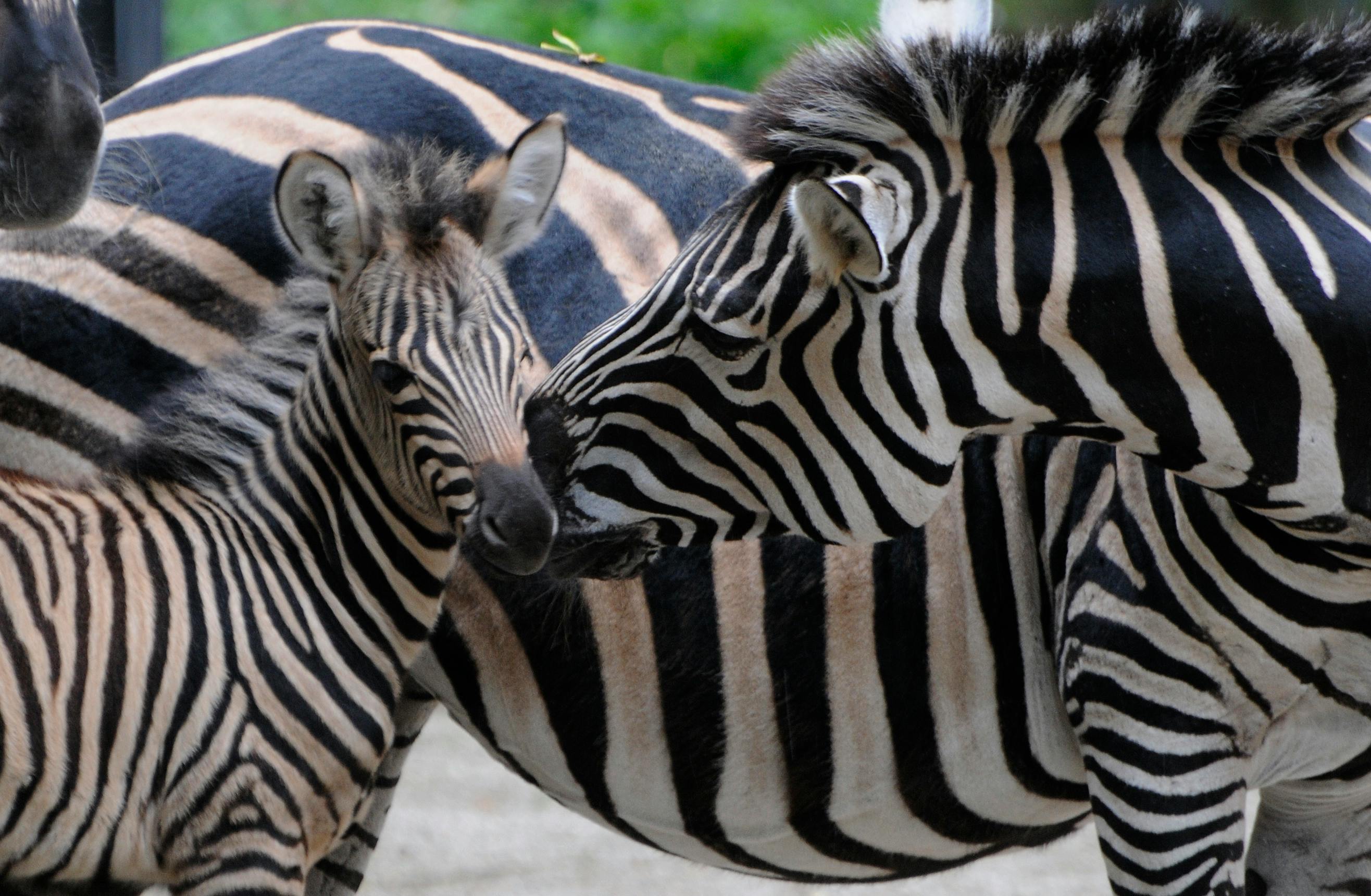
Chapman's zebras live in herds. They live in groups of tens, hundreds, or sometimes even thousands of animals. Living in a herd offers protection against predators. After all, there is safety in numbers. Unlike many other species that live in herds, zebras in a herd are often not related to each other. This is because both males and females leave the herd they were born into once they reach adulthood.
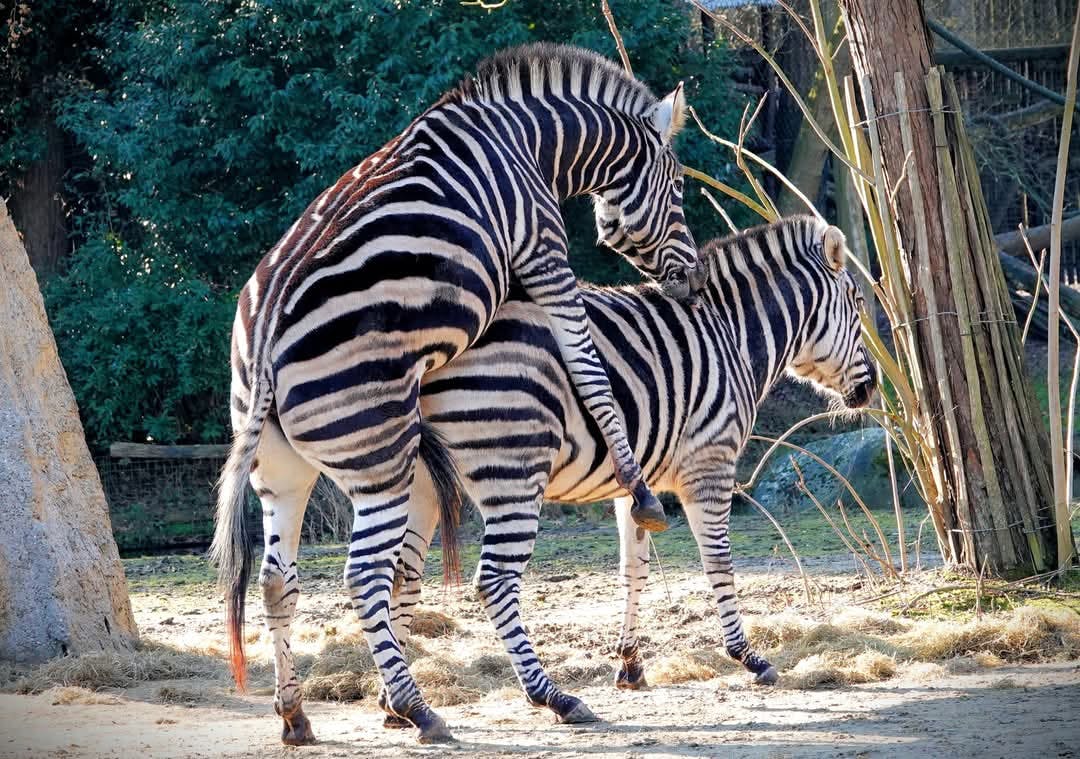
Adult males form their own harem within the herd, consisting of several females who choose to join him. He can mate with all these females, while he is the only one they mate with. If a female is willing to mate, the male can smell this in her urine. The males who fail to form a harem mostly stick together with the other males who are left out, until they get more lucky.
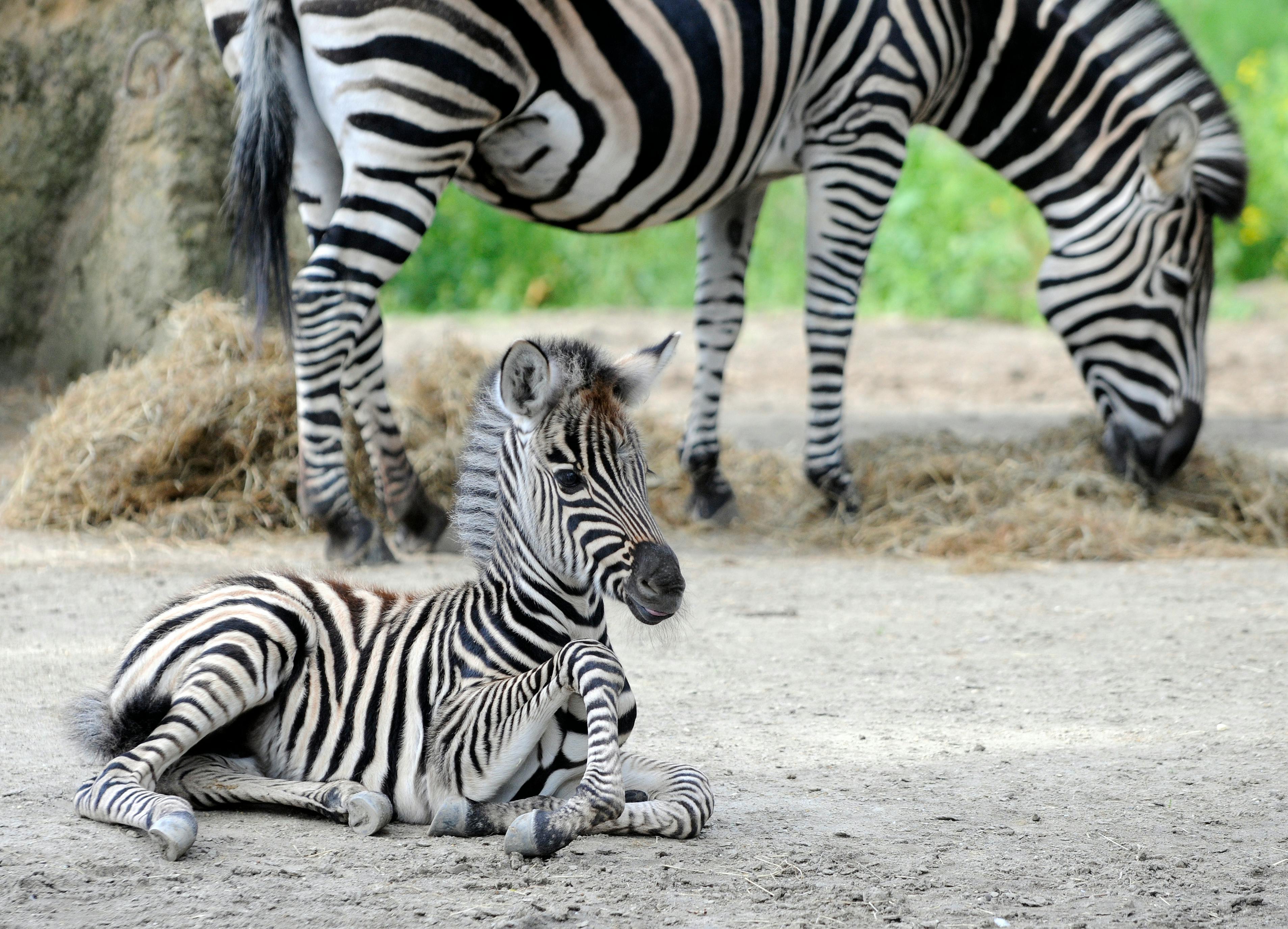
After a gestation of 11 to 13 months, most times one foal is born. During birth, the mother stays close to the herd. As soon as the foal is strong enough to stand upright, they join the herd together. The foal drinks milk from its mother for about six months, but also begins eating grass after one month. Females reach maturity at 2 to 3 years old, but often don't have their first young until 1 to 2 years later. Males often start their first harem around the age of five.
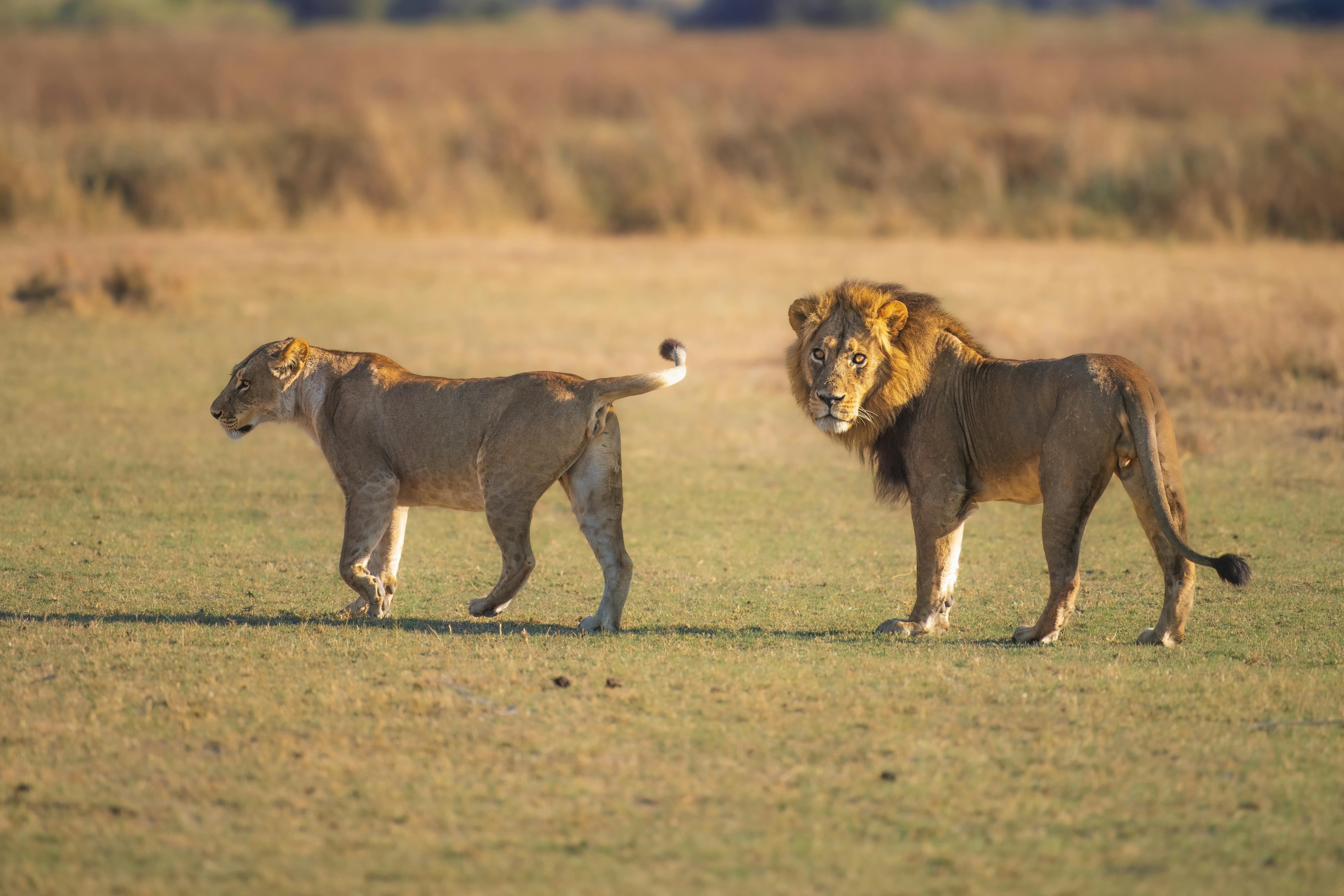
The Chapman's zebra is particularly vulnerable to large predators like lions and hyenas. Lions often catch male zebras. This is because the males stay behind to distract the lions, allowing the females and foals to escape. However, hyenas are more likely to catch foals or weakened females. They will continue to chase the herd until one animal falls off.
The zebra can use its hind legs to deliver powerful kicks. This can sometimes save them from ending up as a meal.
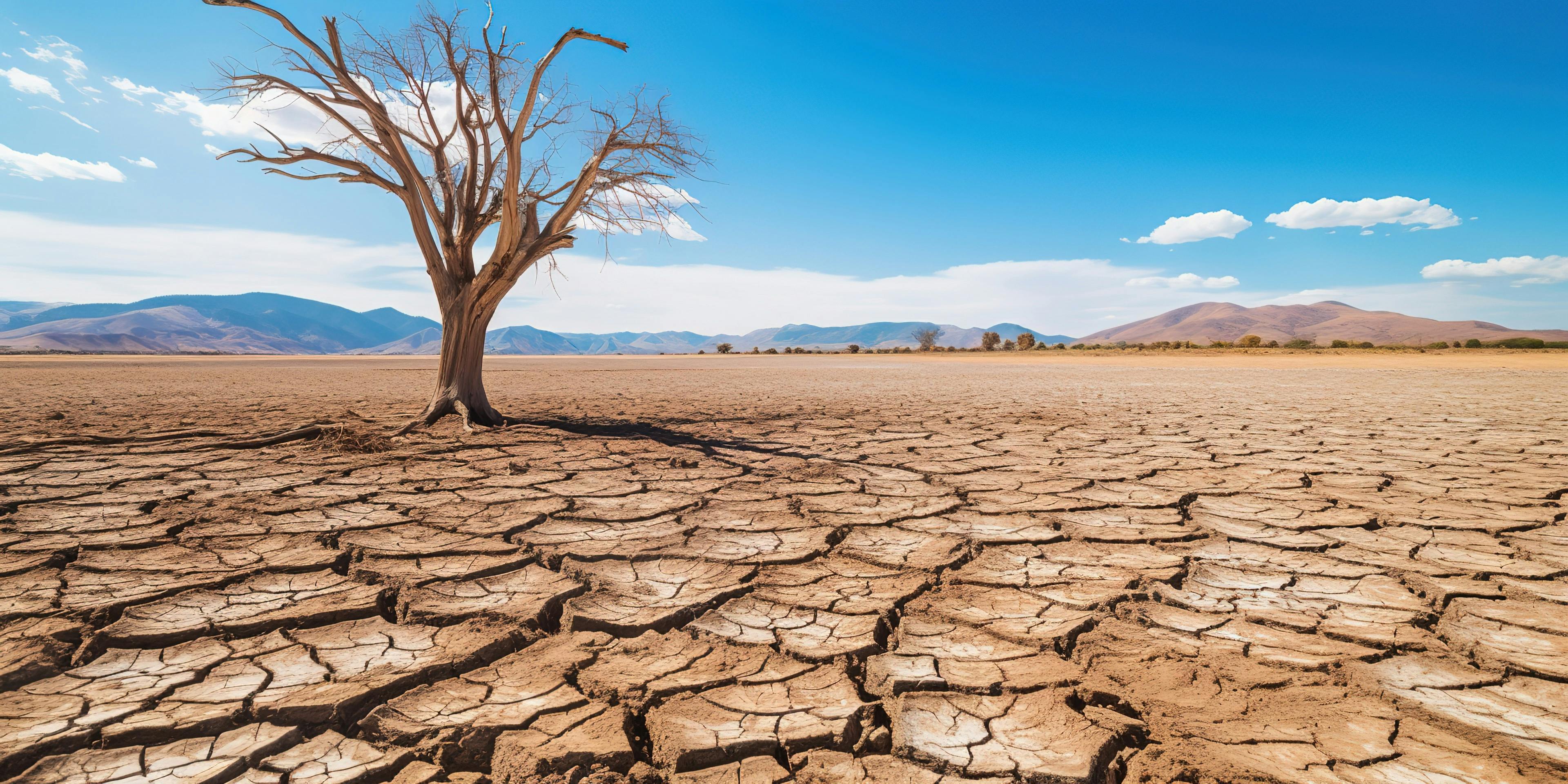
The number of plains zebras, including the Chapman’s zebra population, has declined by a quarter since 2002. Therefore, the species is now classified as "Near Threatened." If the declining trend continues, the zebra may be classified as "Vulnerable" in the next survey. They are almost exclusively seen within protected areas. Outside these boundaries, people hunt zebras. Furthermore, they are affected by the increasing droughts because of climate change.
The zebra population has recovered from a decline in numbers before. This proves that they can recover when habitat and protection efforts increase.