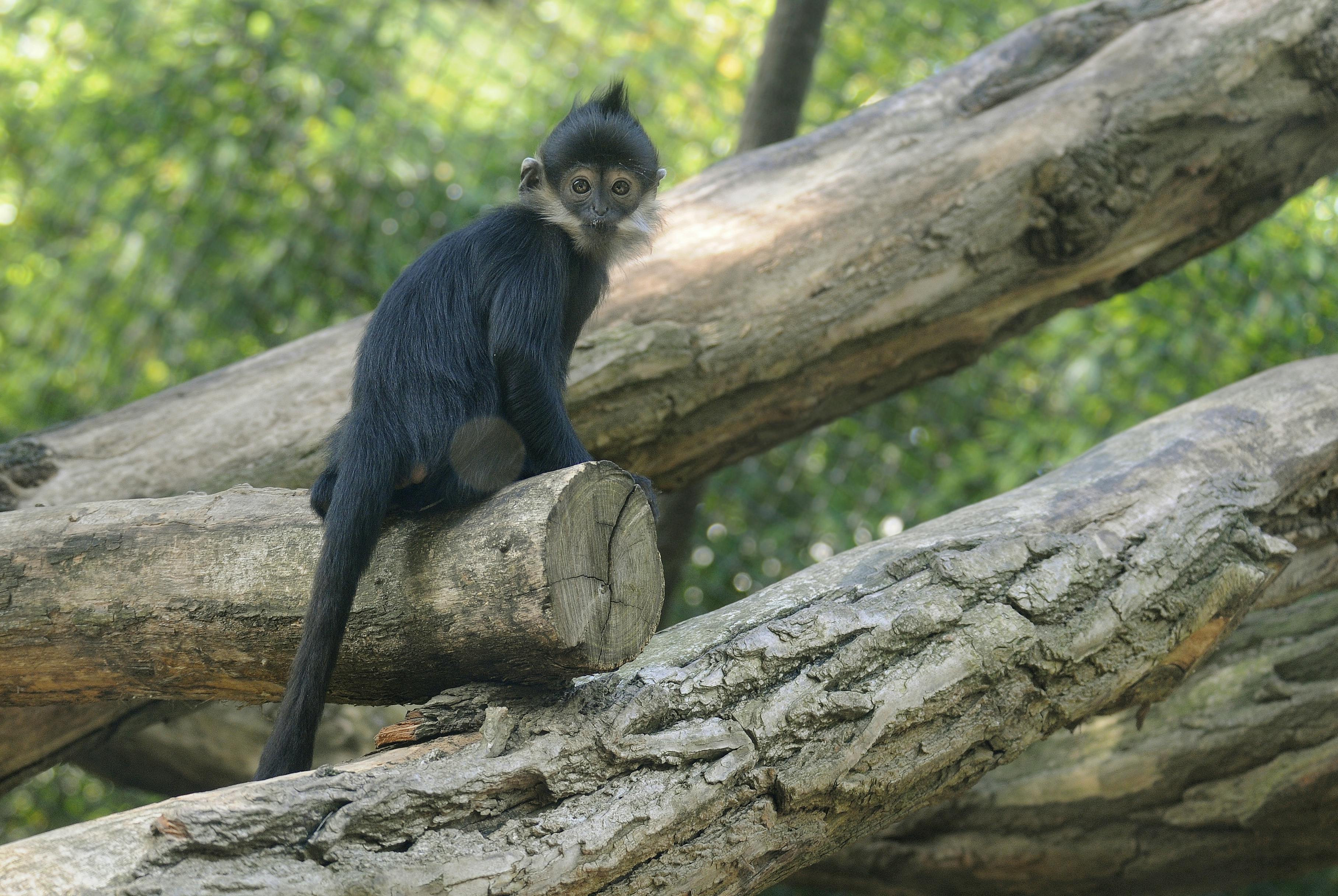
In a dark cave in Vietnam, a small group of black monkeys take shelter from a tropical storm. They are François' langurs, leaf-eating monkeys that deftly climb through treetops and over rocks. But the number of François’ langurs in the wild is actually declining rapidly, partly due to hunting and the destruction of their habitat. That is why it is important to protect these endangered monkeys!
Trachypithecus francoisi
± 25 years
± 60 centimetres
50 – 60 centimetres (excluding tail)
5.5 – 8 kilograms
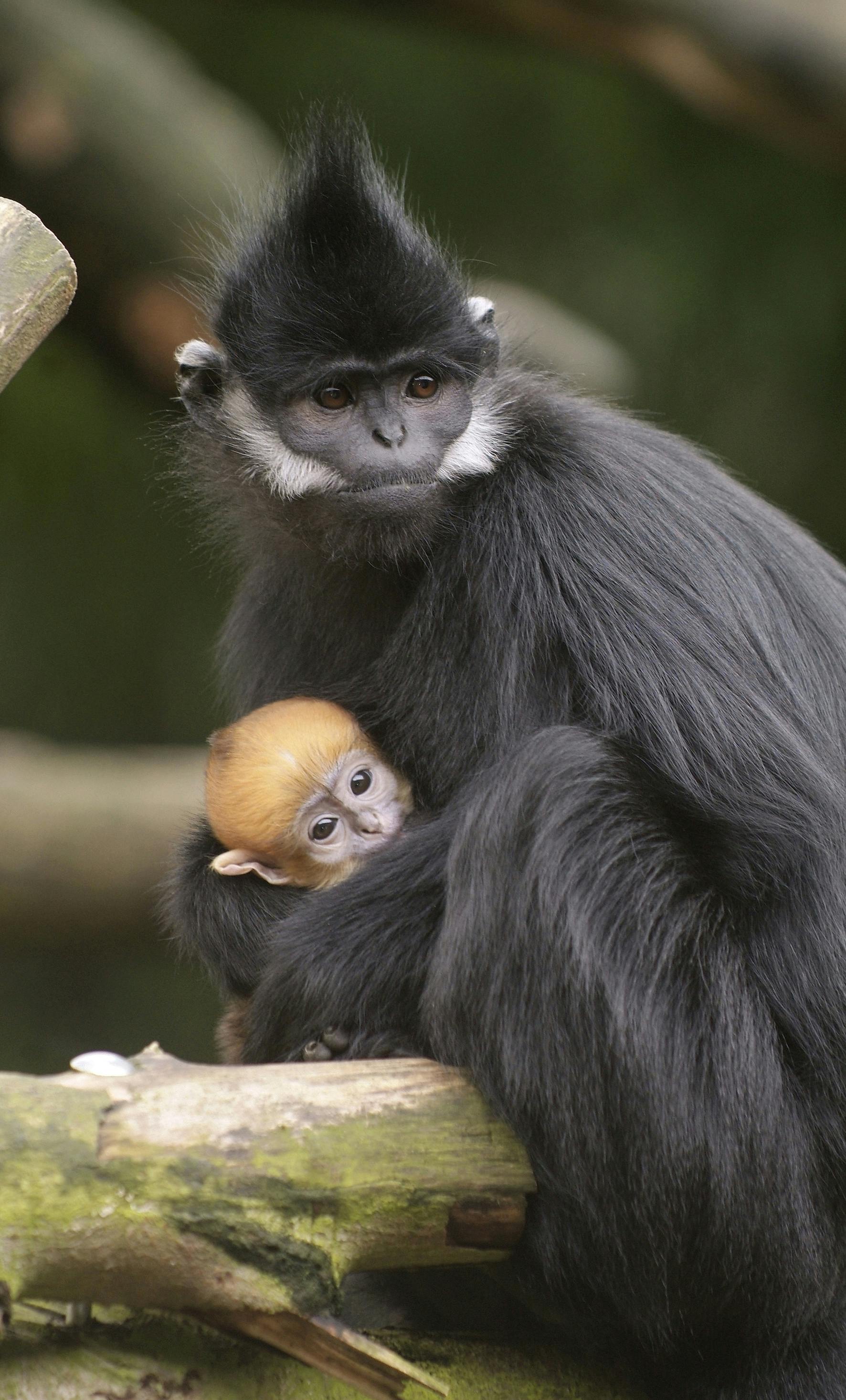
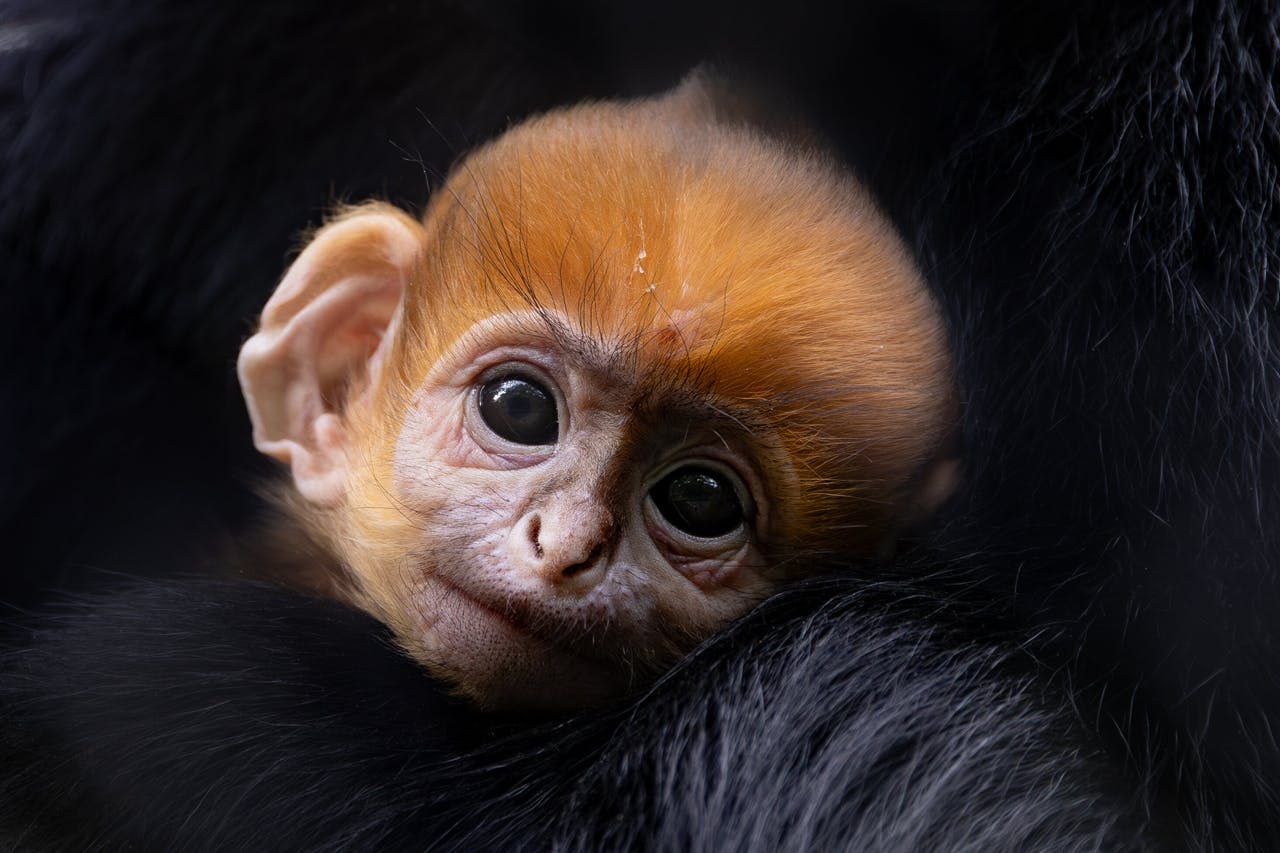
François’ langurs can be recognised by their long black fur, which extends to a crest on the head. They have a kind of white ‘sideburns’ from the corners of their mouths to their ears. There is little difference in appearance between adult males and females, but the young are strikingly different: they have bright orange fur! After three weeks, this begins to change colour. Six months later it has turned black.
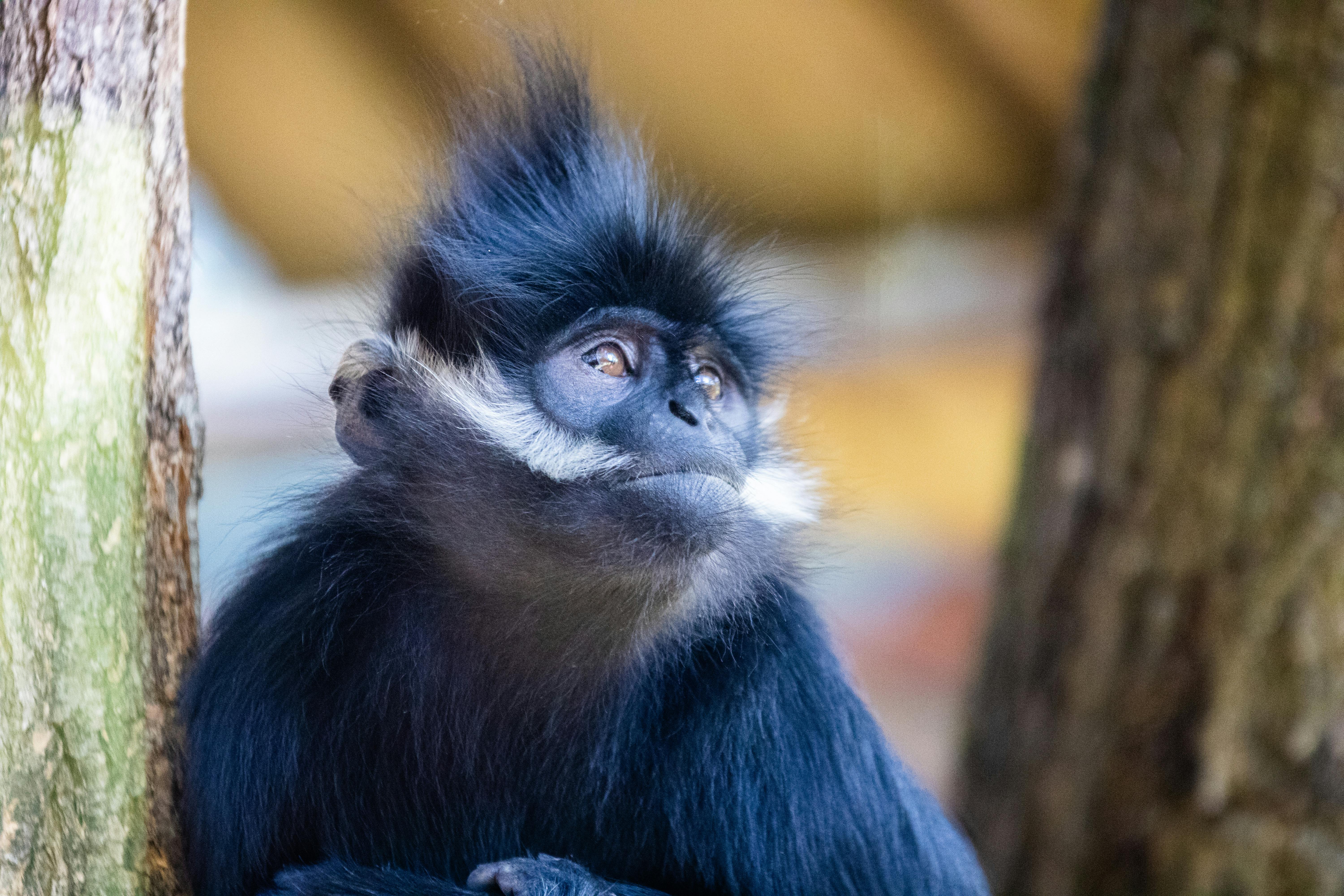
François’ langurs are native to northern Vietnam and southern China. There, they live mainly in tropical deciduous forests with many limestone cliffs, up to 600 metres above sea level. They use the cliffs and caves in their habitat for shelter from bad weather and as a safe place to sleep.
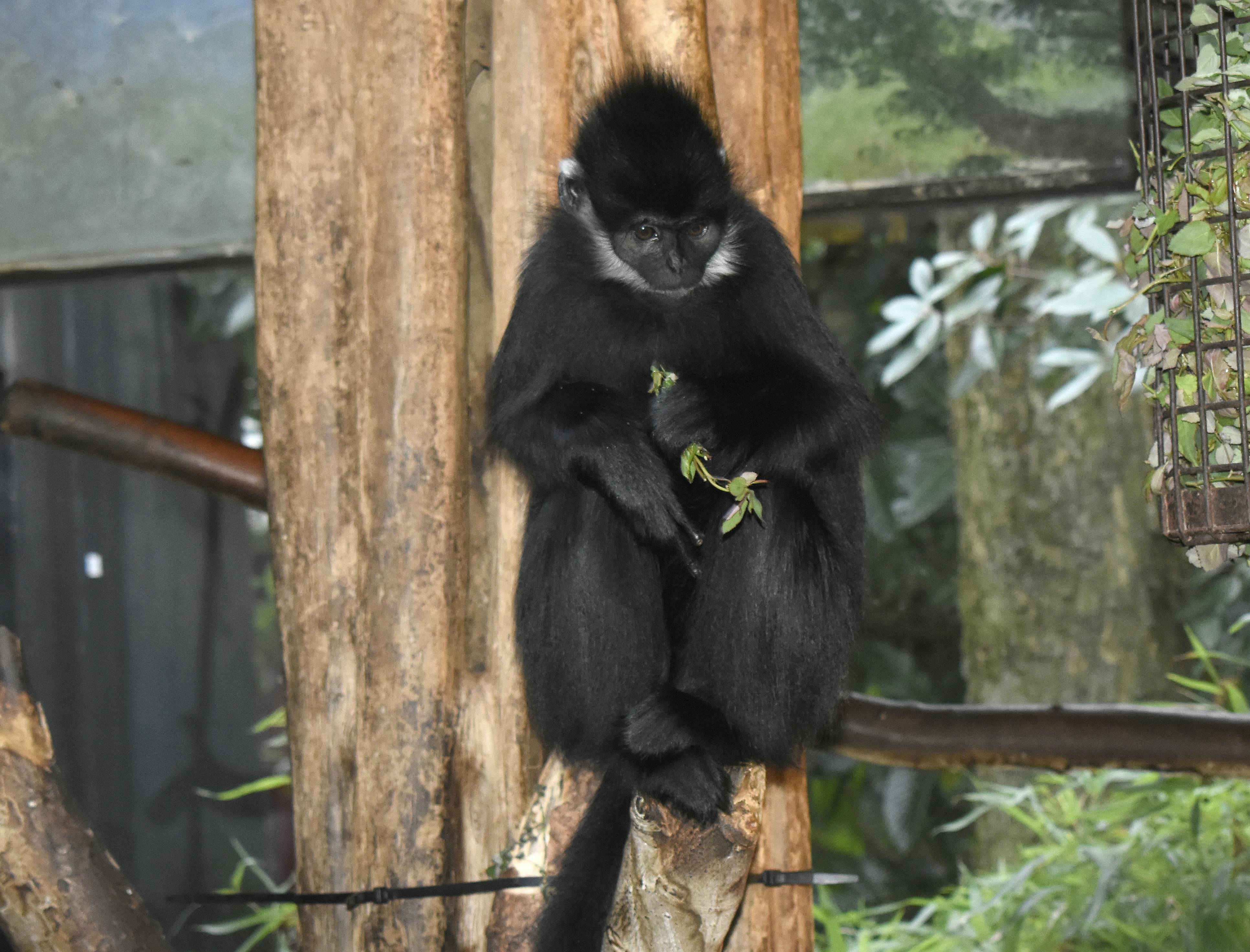
François’ langurs mainly eat leaves. They also feed on stems, fruits, flowers and bark. The ratio between these menu options varies per population of François’ langurs in the wild.
At Rotterdam Zoo, the François’ langurs are fed three times a day in order to encourage behaviour that is as natural as possible: in the wild, they eat almost all day long.
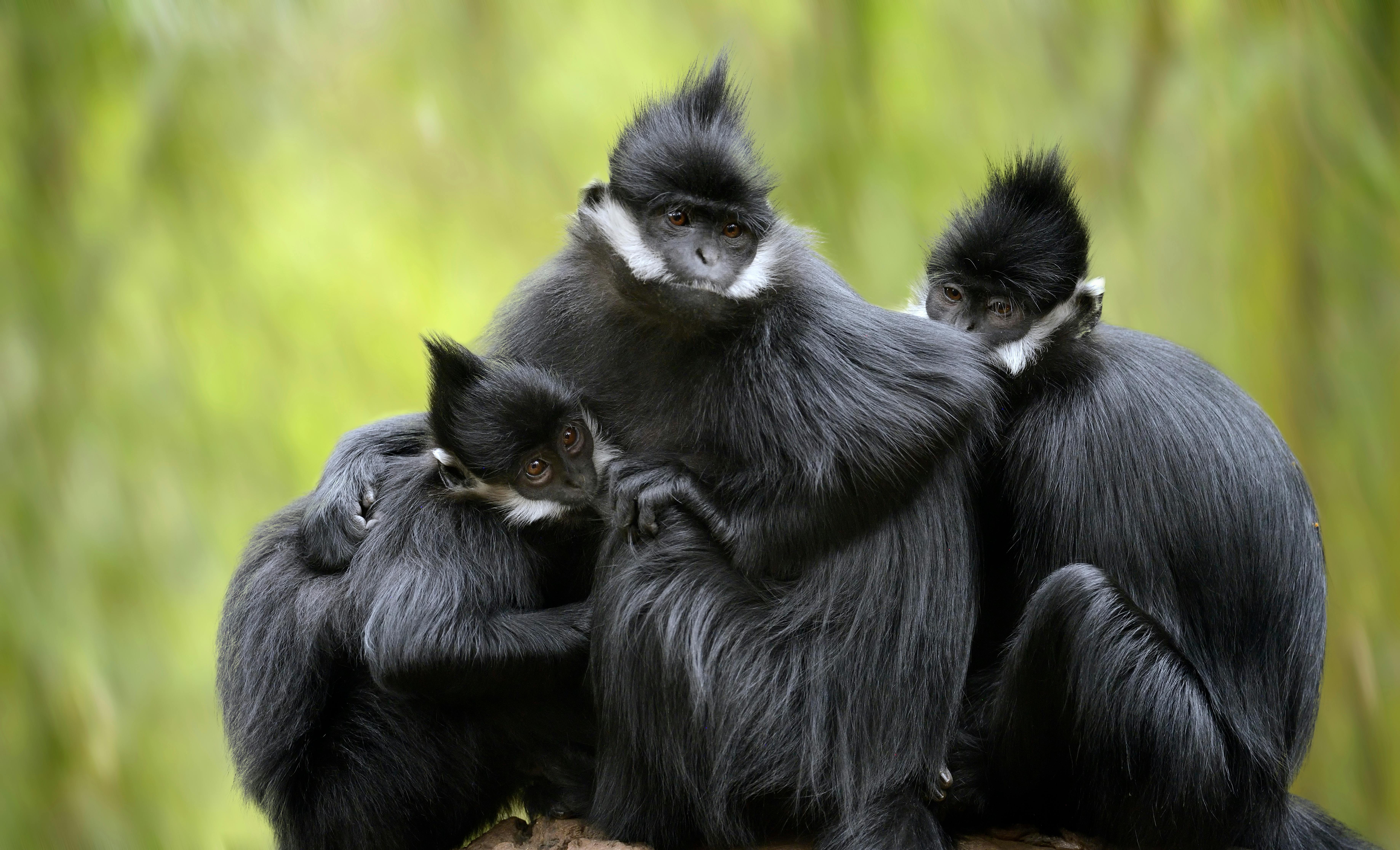
François’ langurs are mostly active during the day and at twilight. They form closely knit family groups, with one male, several females and their young. Females are often in charge in these groups: males sometimes leave the group early to look for a new group to join. Traditionally, a group consists of an average of nine animals, but these days it is usually seven in China and five in Vietnam. This is probably because the number of François’ langurs has declined so much that there are fewer conspecifics to form groups with.
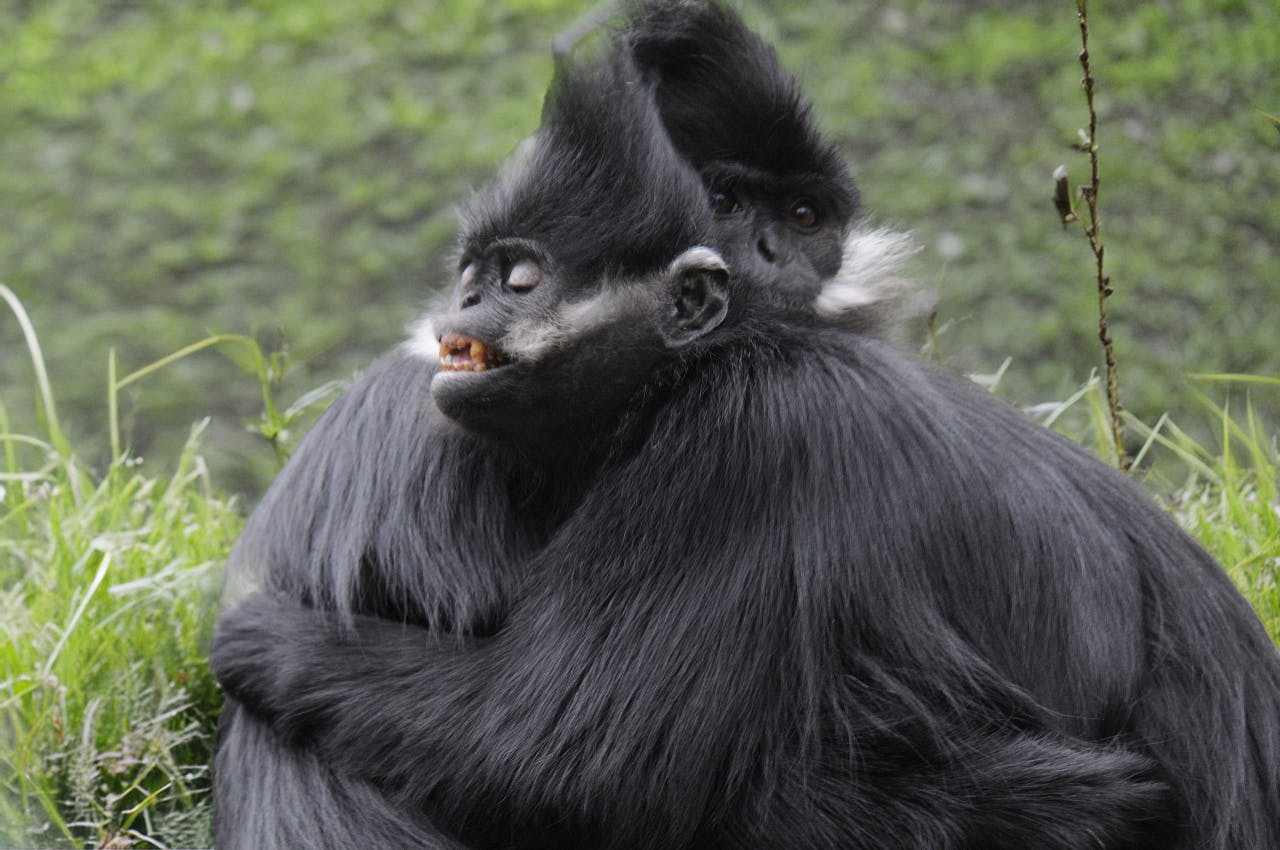
From around the age of five, male François’ langurs start looking for a new group of females to reproduce with. They prefer to find a group without a male or children so they can start their own family, but sometimes a fit male will take over another male's group by chasing him away. If the females already have young, he often tries to kill them so that the females will be fertile sooner and bear his young. This phenomenon is called “infanticide” and occurs in most monkey species that live in harem groups. Zoos therefore never simply add a new male to a group.
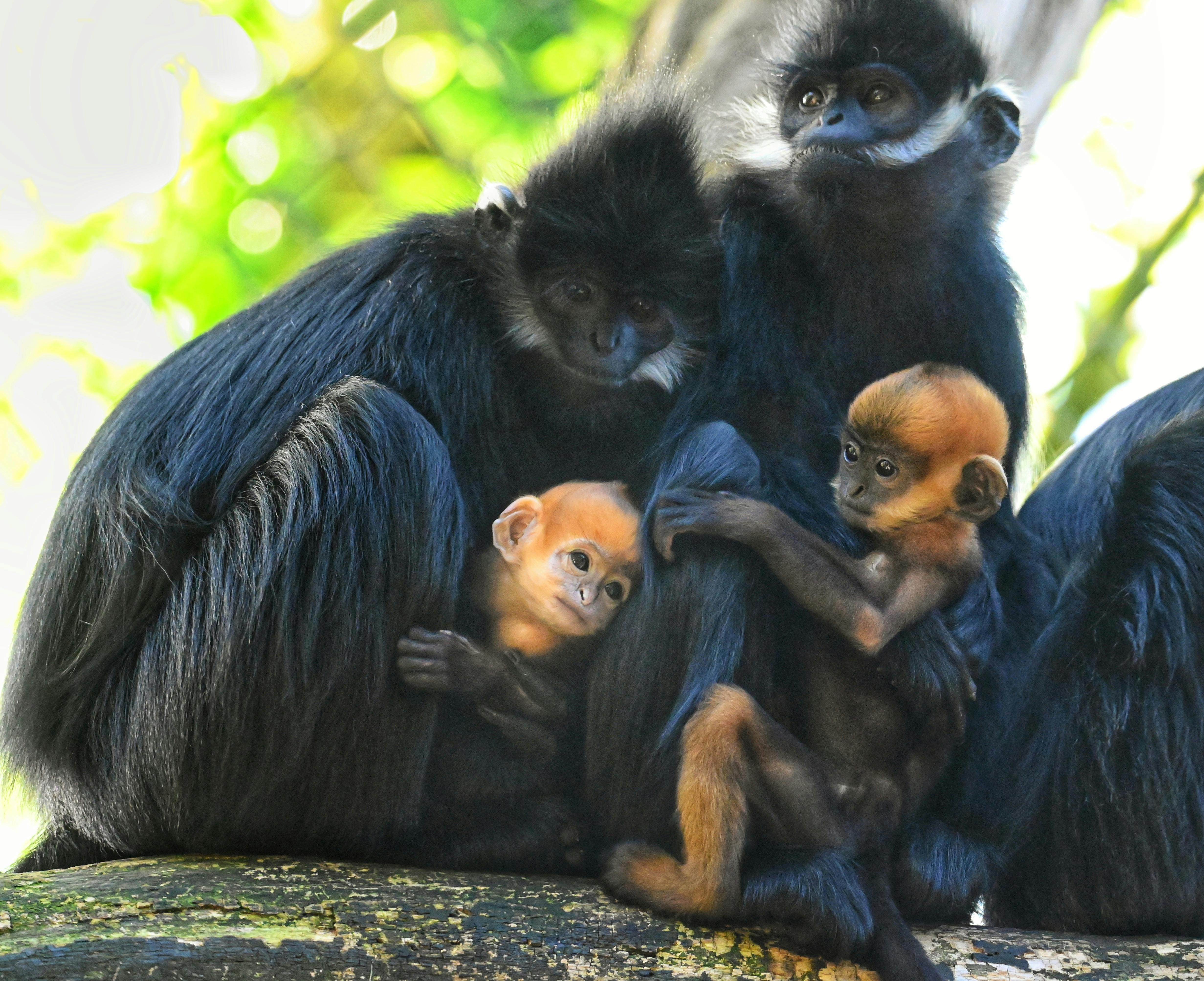
François’ langurs usually give birth to one young, with orange fur. At first, the mother carries her child on her belly, but after a few weeks she moves it to her back. Females work together to raise the young. The child is therefore often carried and cared for by its aunts and older sisters.
After about two months, the child is big enough to walk and climb for the first time. They continue to suckle from their mother for about six months to a year. It takes 4 to 5 years for a François' langur to reach adulthood.
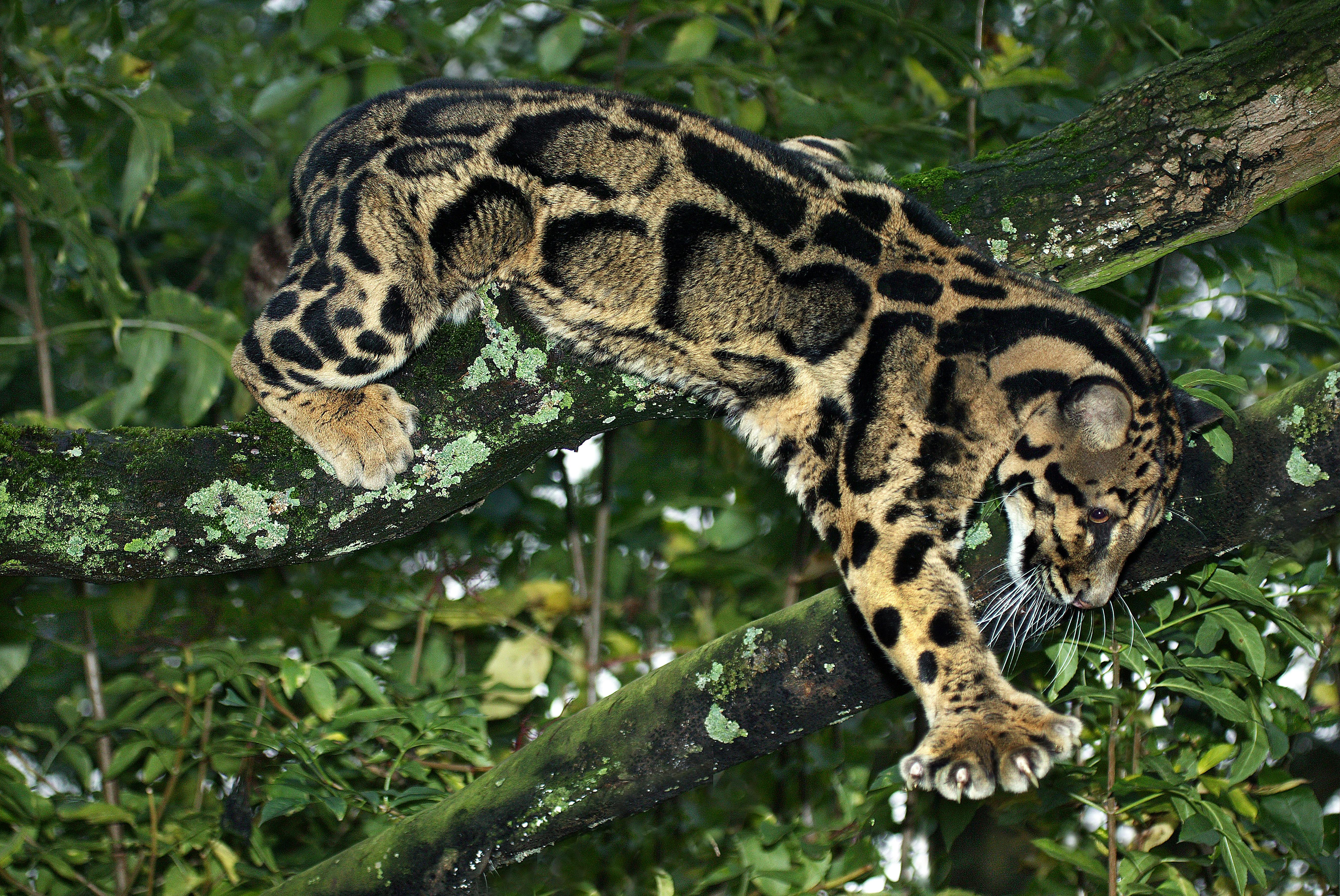
François’ langurs are medium-sized monkeys that are preyed upon by large predators. Birds of prey, snakes, leopards and clouded leopards in particular enjoy eating François’ langurs. To protect themselves from predators, François' langurs like to hide in caves and rock crevices. They also often change their sleeping places so that predators cannot track them down. But nowadays, François' langurs don't have to worry so much about these predators, because their numbers have declined significantly...
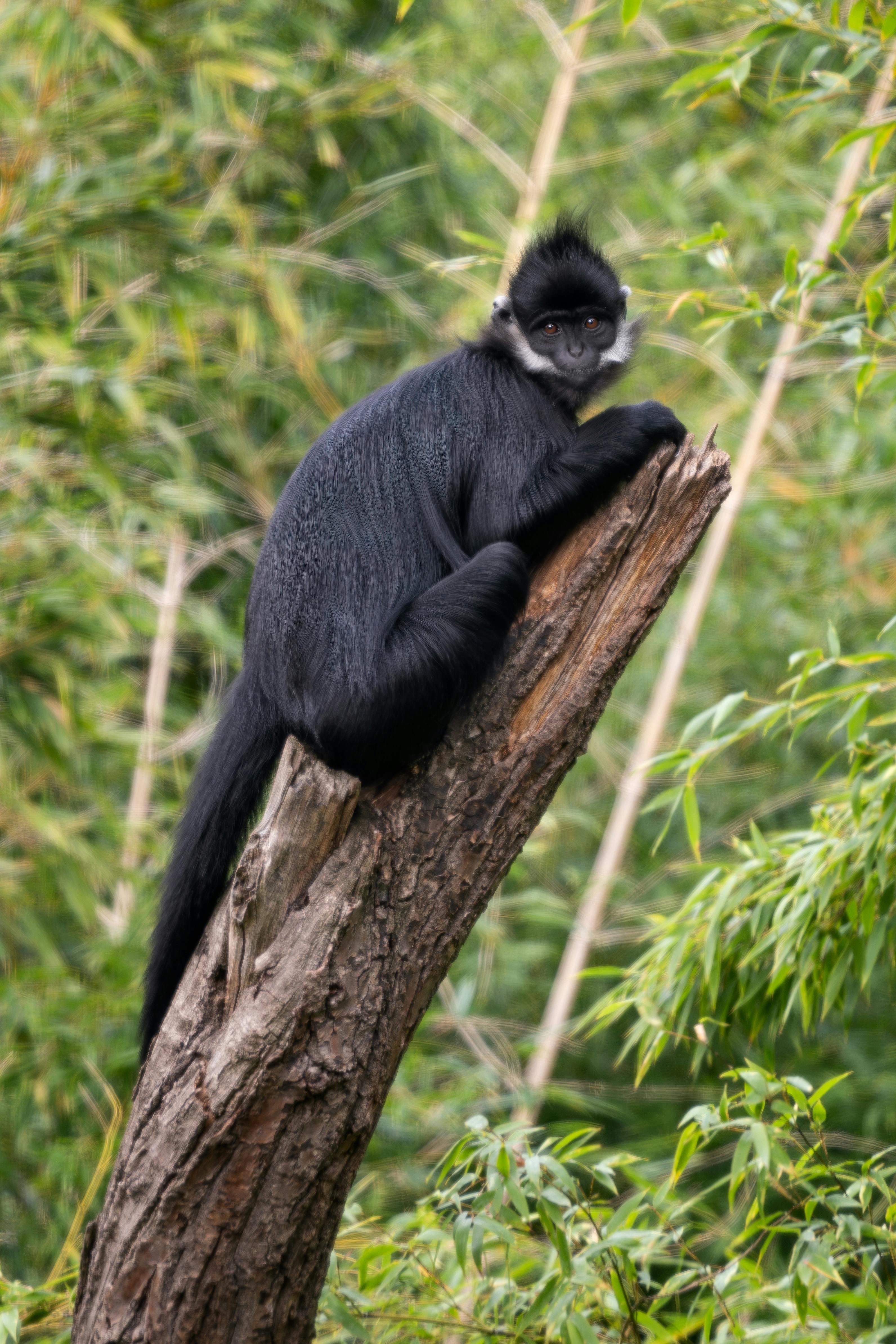
People are hunting this black monkey species more and more intensively. It is claimed that the bones of the François' langur have medicinal properties. That is why people use parts of these langurs in medicines. In China, they are even used to make wine! The medicinal properties have never been scientifically proven, but they still pose a major threat. And as long as the local population earns more from hunting these animals than from other work, this real problem will continue to exist.
Another major threat to the François' langur is the disappearance and fragmentation of their habitat. Even the limestone caves are often no longer a safe haven for these monkeys. Limestone is one of the main components of cement. With the rapidly growing population of East Asia, cement is desperately needed to build more houses. To make way for these buildings, large areas of rainforest are being cut down, often separating the remaining forests from each other.
All these dangers make the Francois' langur one of the most endangered monkey species in the world.
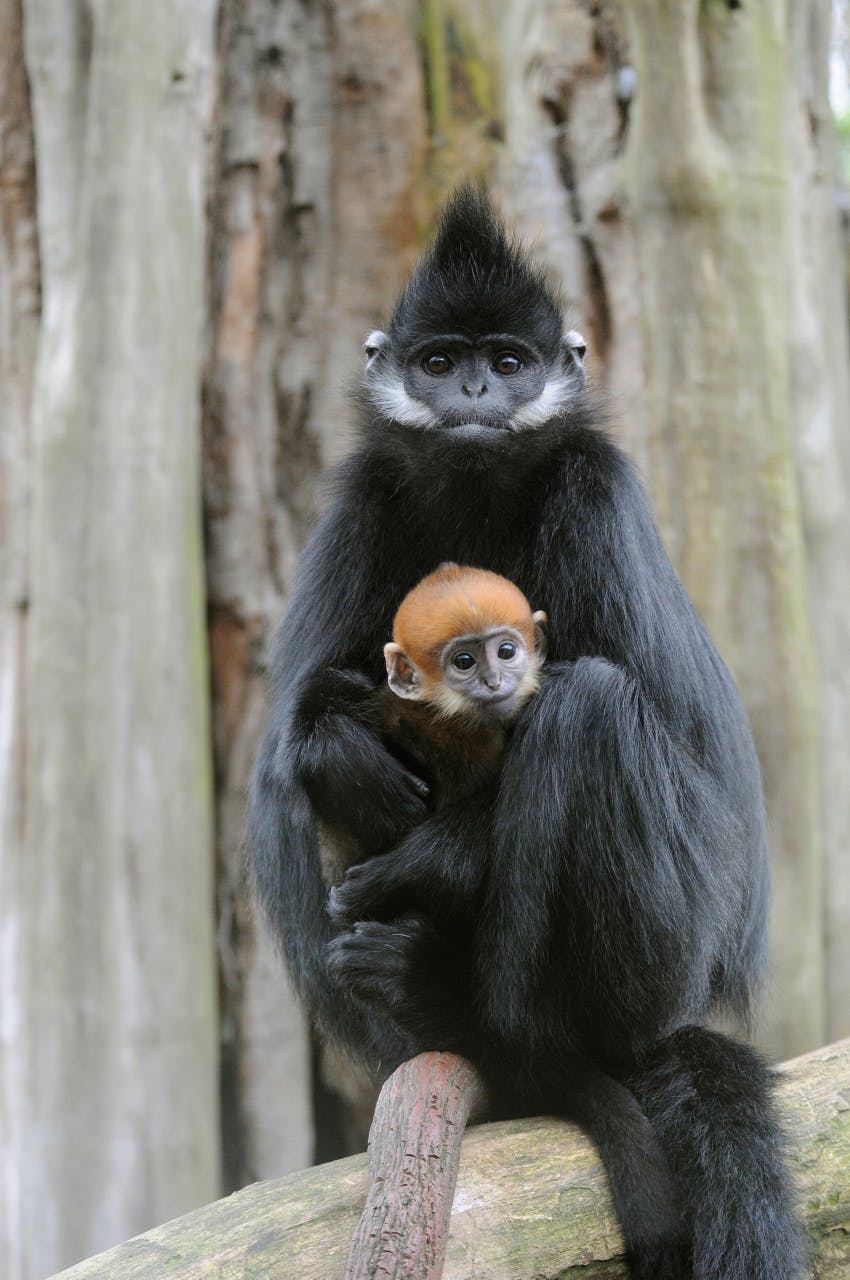
Rotterdam Zoo participates in the European population management programme for the François' langur. Based on the pedigree of langurs in zoos, the coordinator determines which animals are best paired with each other to produce healthy offspring. These young animals are then moved to other zoos to form the next generation. In this way, we are building up a healthy population as a back-up for the wild animals, with the ultimate goal of returning François' langurs to their natural habitat when conditions there are favourable.