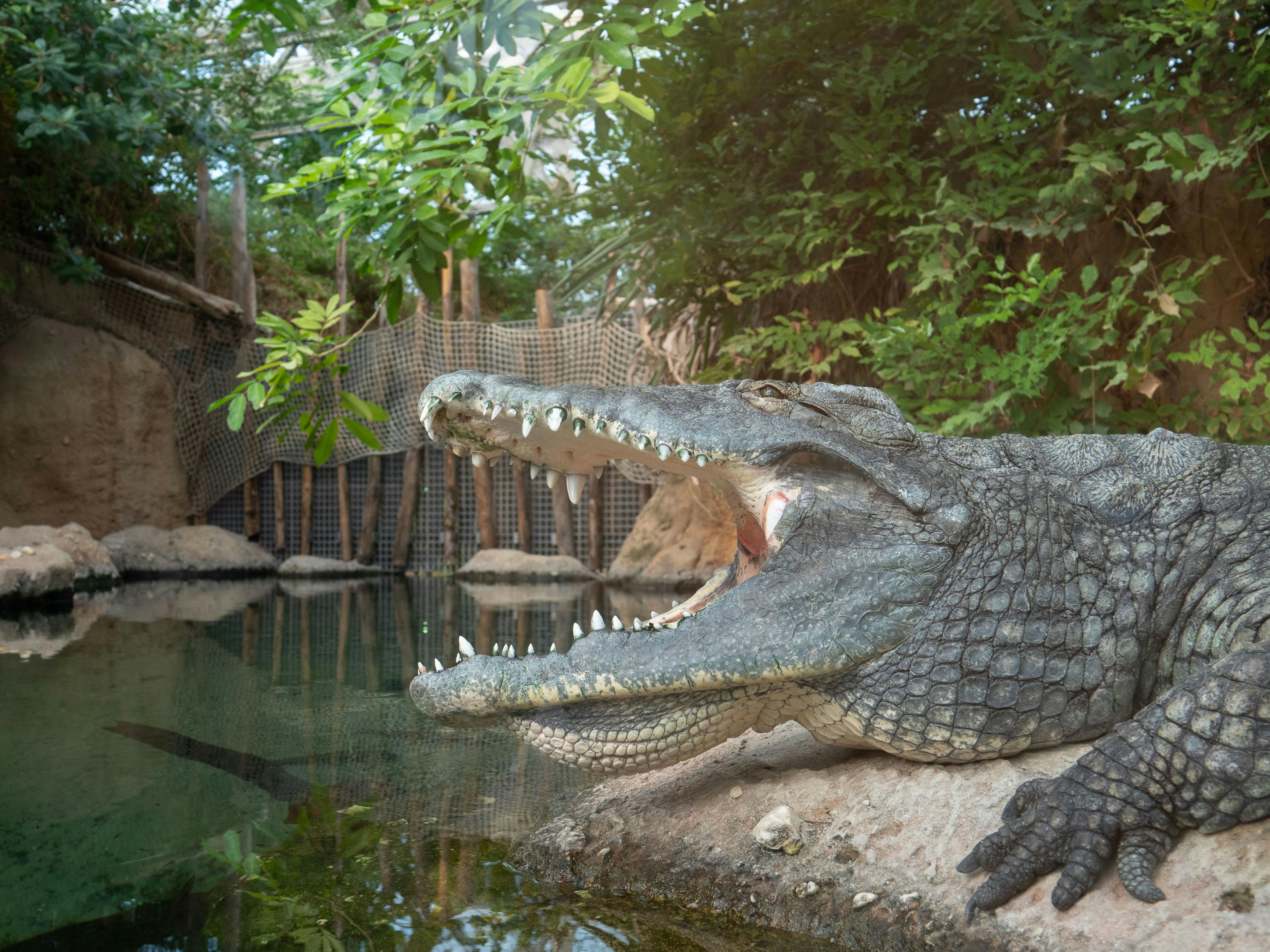
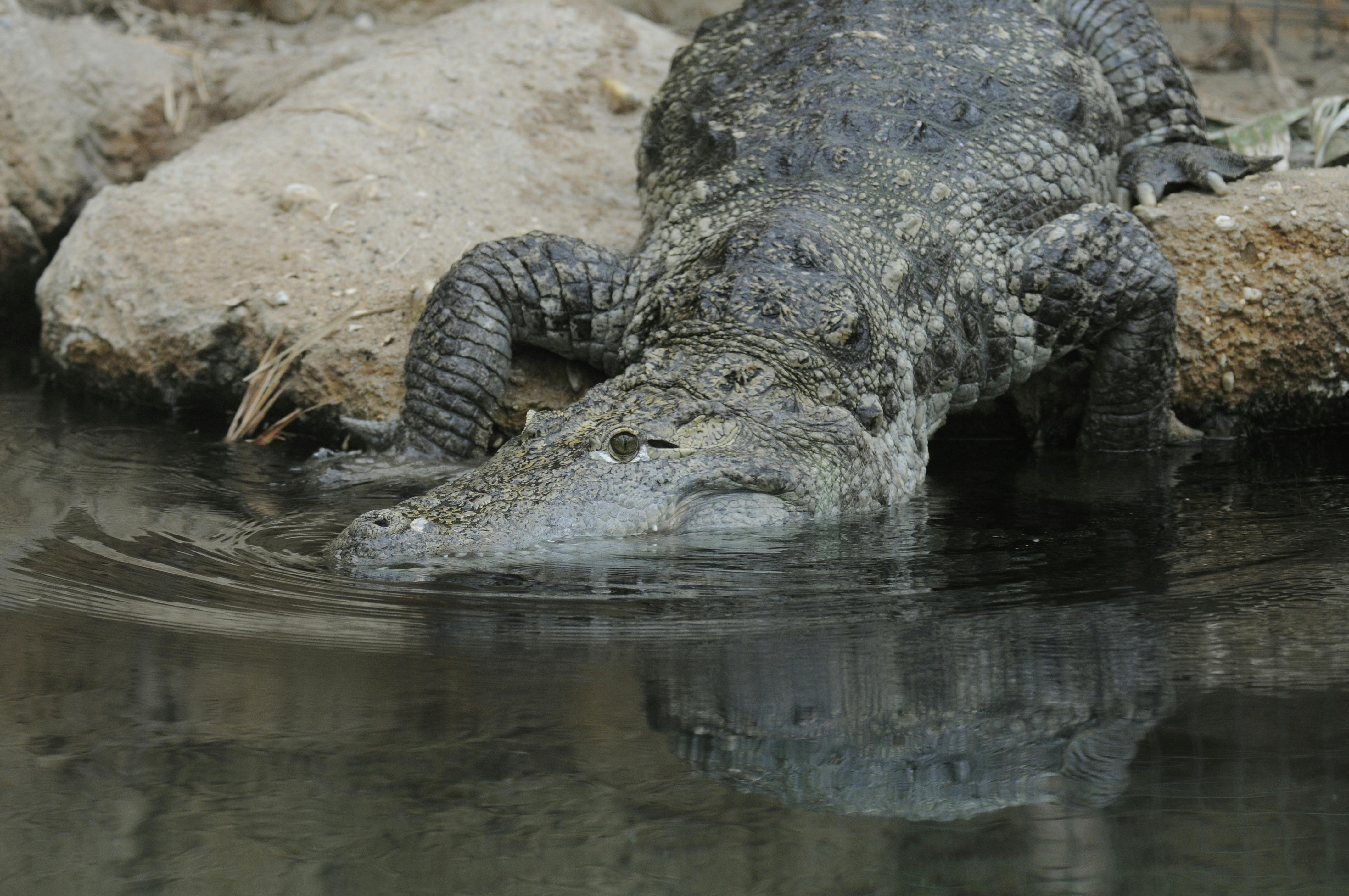
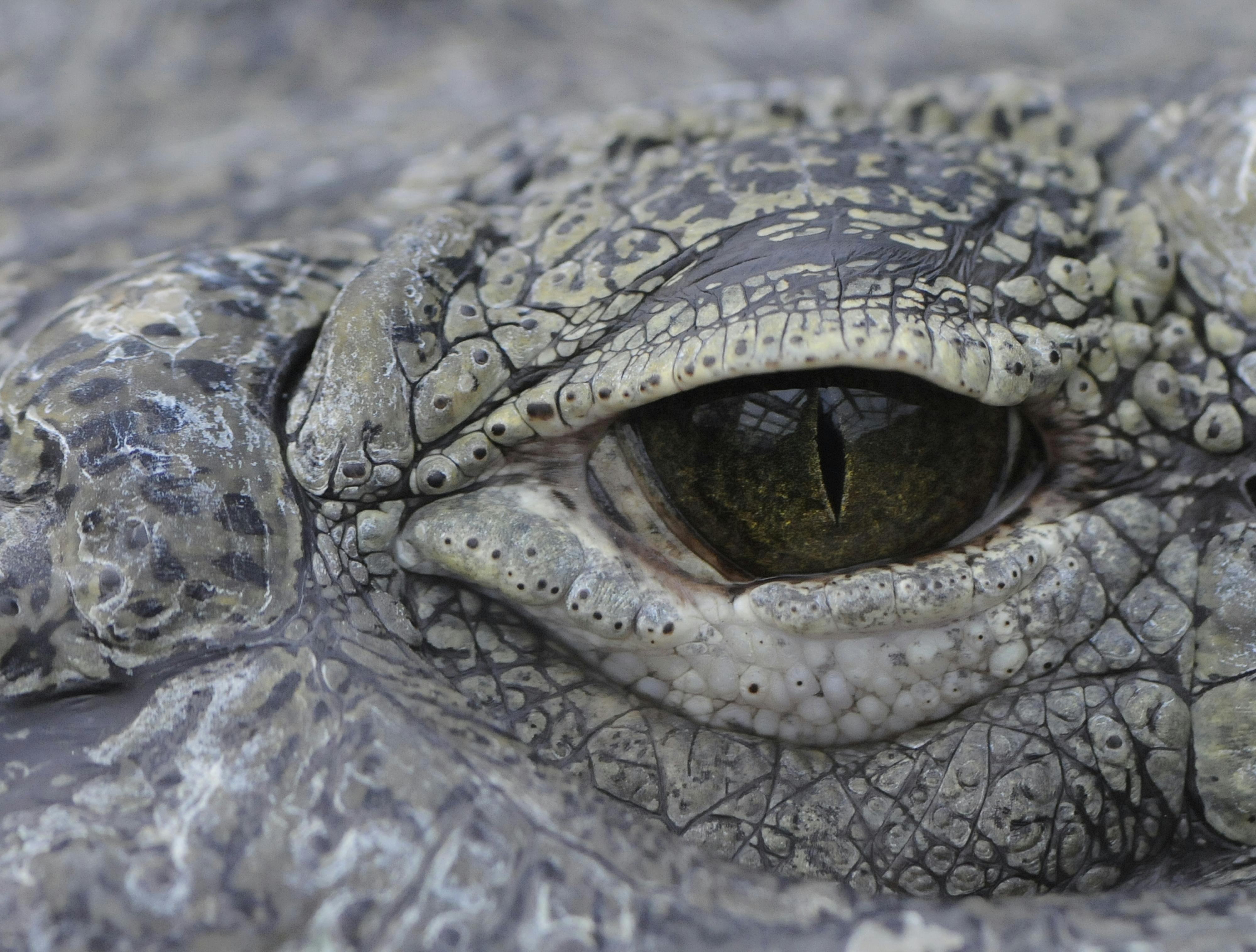
In an African river, a dangerous predator hides just below the surface of the water, waiting to seize unsuspecting prey. Only the top of their head is visible. This allows the Nile crocodile to keep a close eye on their surroundings. Nile crocodiles are among the most common large predators in Africa and therefore play an important role in their habitat. Dive into the world of these giant reptiles here.
Crocodylus niloticus
± 45 years
Up to 6 metres
Up to 700 kilograms
Nile crocodiles are among the largest modern reptiles in the world. Like other crocodilians, they are perfectly adapted to life in the water. They use their powerful tails to move quickly through the water. They can also hold their breath for up to 15 minutes.
But make no mistake: these aquatic animals are also agile on land. Nile crocodiles can run up to 14 kilometres per hour and accelerate particularly quickly. So it's best not to get too close...
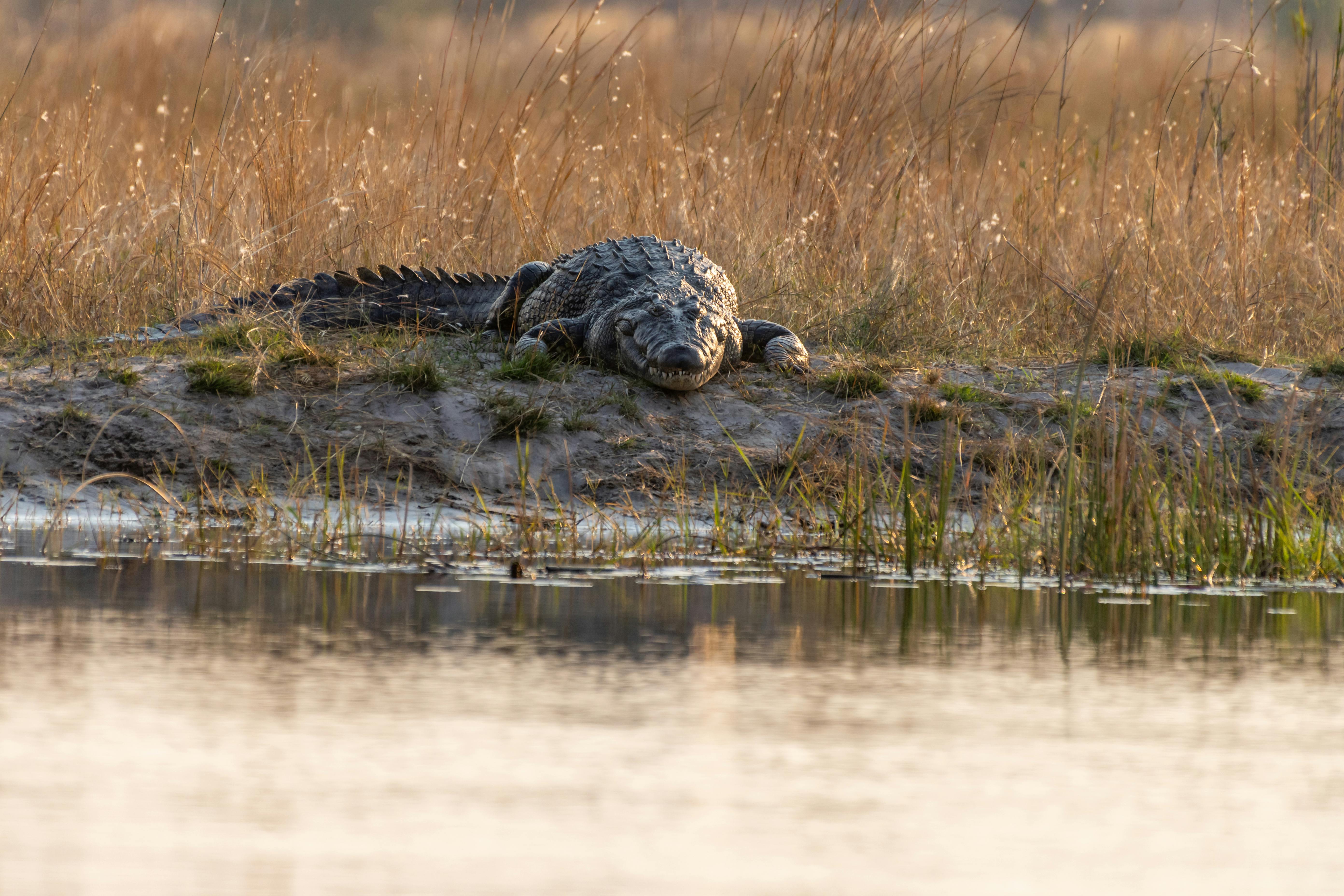
Nile crocodiles live throughout sub-Saharan Africa. They mainly inhabit rivers and swamps, both in rainforests and open plains.
The Nile crocodile owes its name to the largest river in the world, but it is no longer found in most of the Nile. This is mainly due to the construction of dams and other human activities.
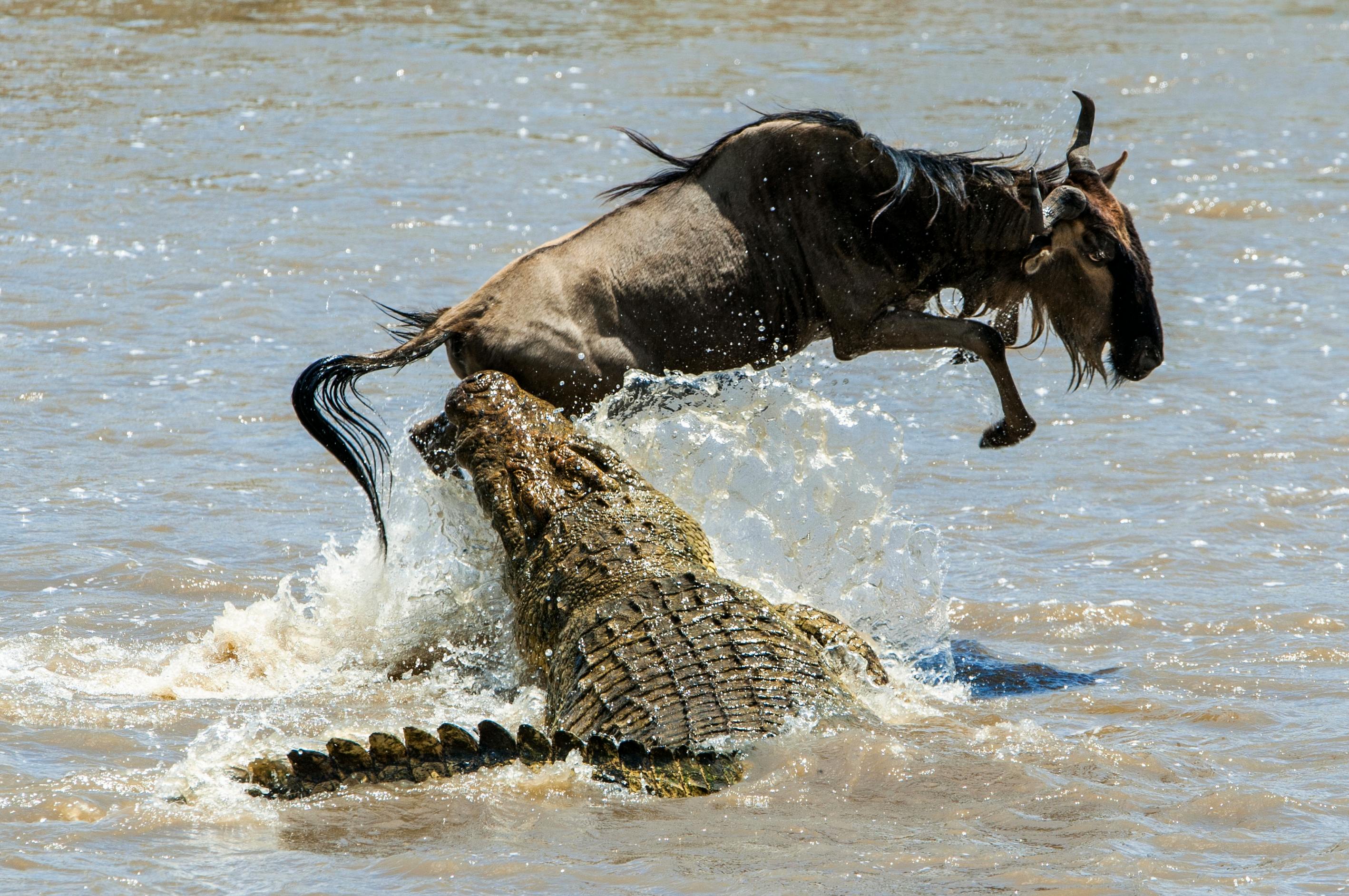
Nile crocodiles eat fish, mammals and birds. During an attack, special valves in their throat and nostrils close so that no water can enter. Thanks to their powerful jaws, they can drag large prey into the water.
When a Nile crocodile catches a wildebeest or a zebra, it tries to drown it as quickly as possible. It does this by performing a “death roll”: it rotates its body around its axis and drags its prey along in its jaws. This makes it difficult for the prey to escape and provides the crocodile with a nutritious meal.
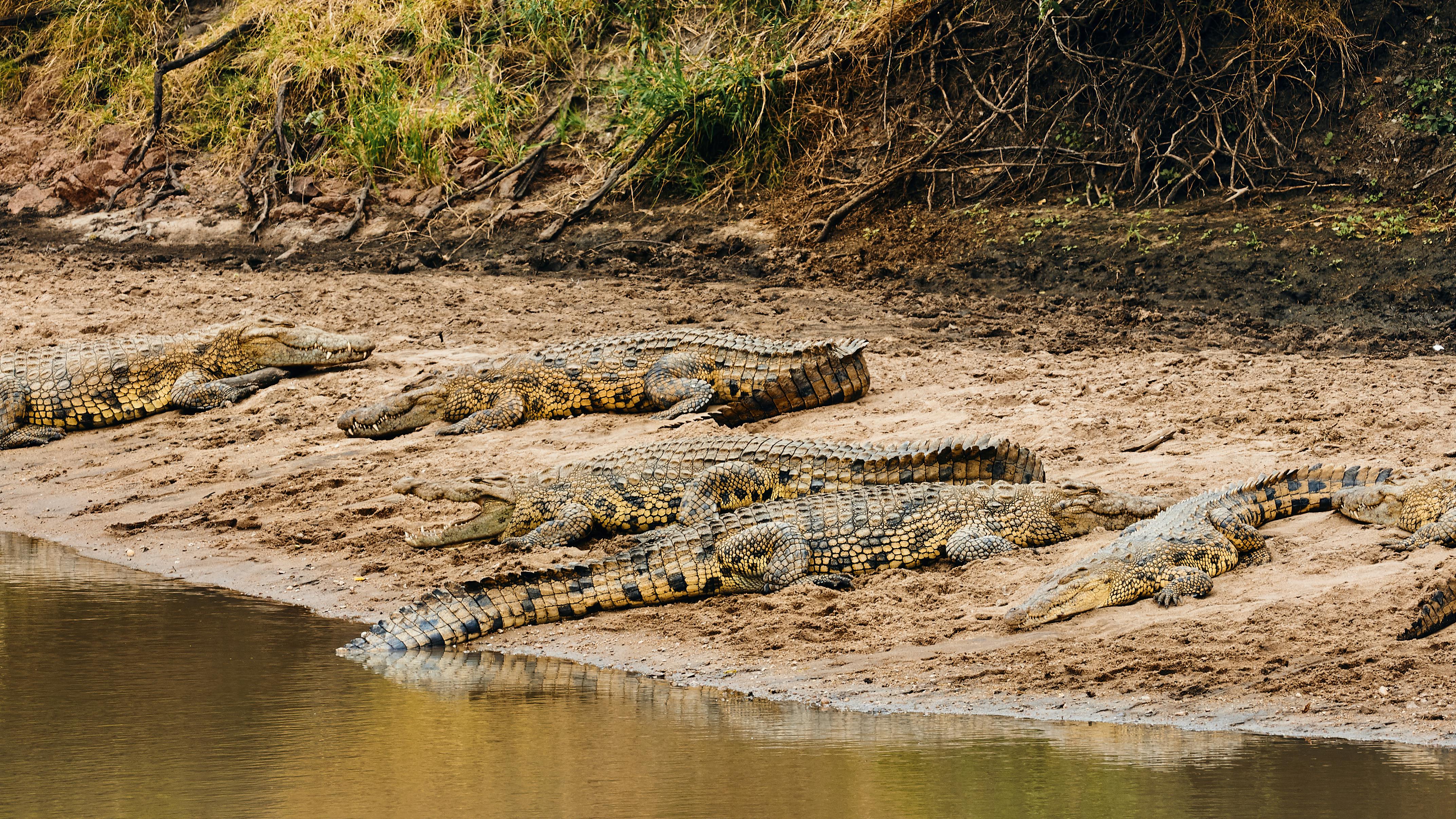
Nile crocodiles are territorial animals. Large individuals guard the best spots for catching prey against other large crocodiles. These dominant animals tolerate smaller crocodiles in their environment, as long as they do not pose a threat to the largest animal. Sometimes several crocodiles work together to overpower large prey.
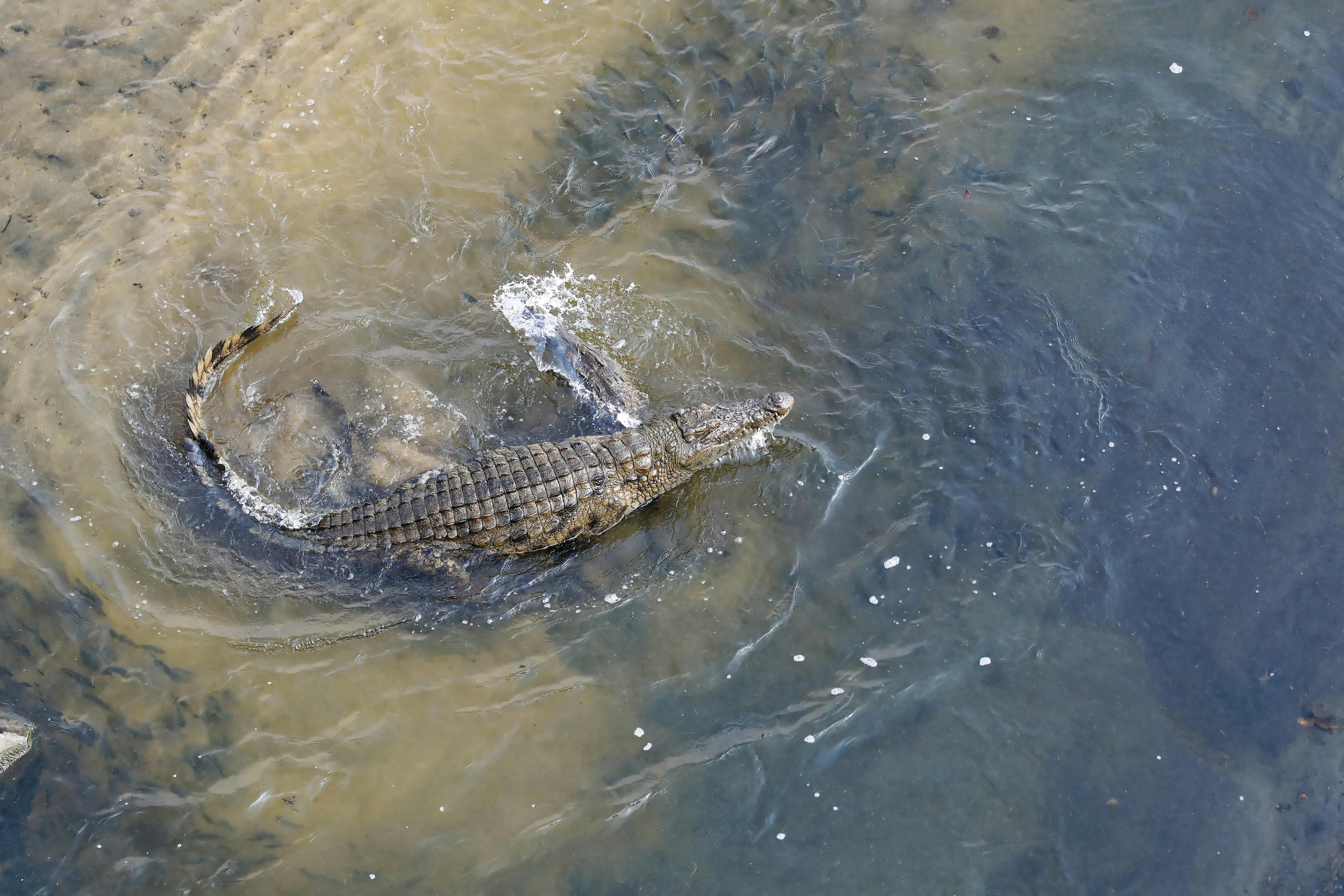
When a male wants to impress a female, he splashes around energetically. He holds his tail in an arc above the water, blows bubbles and shows off his strength. If a female is interested, she will swim alongside him. Nile crocodiles usually mate in shallow water.
Males often mate with several females. Conversely, a female sometimes mates with several males. A single nest may contain offspring from different fathers.
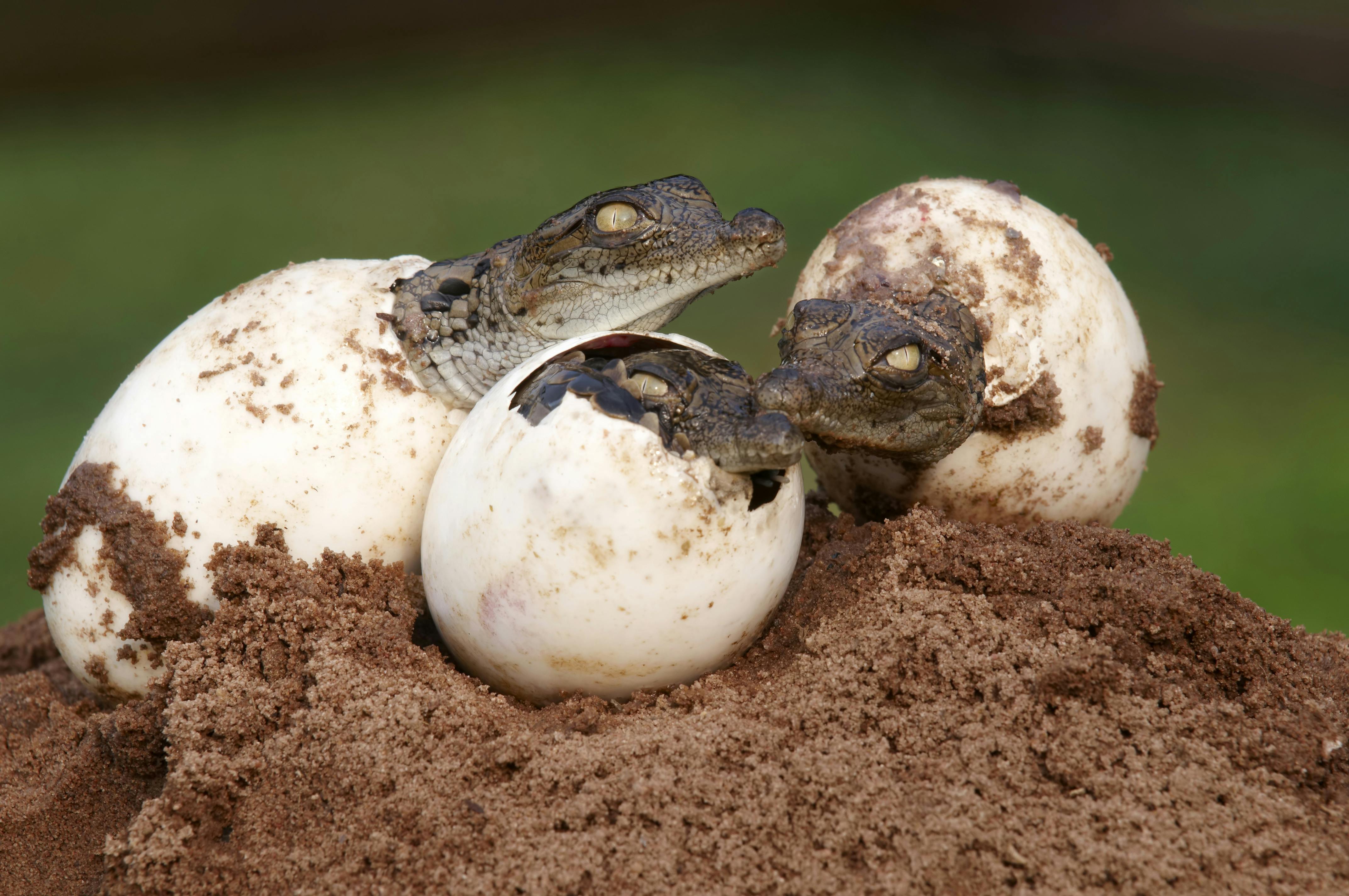
Nile crocodiles often dig their nests in the sand near riverbanks, in a place that is not easily flooded. Unlike many other reptiles, crocodile mothers protect their nests fiercely. Once the young hatch, she digs them out and carries them in her mouth to the water. She stays with them for about 6 to 8 weeks to protect them. After that, they are completely on their own.
Nile crocodiles reach sexual maturity at 8 to 10 years of age. However, like other reptiles, they continue to grow throughout their lives.
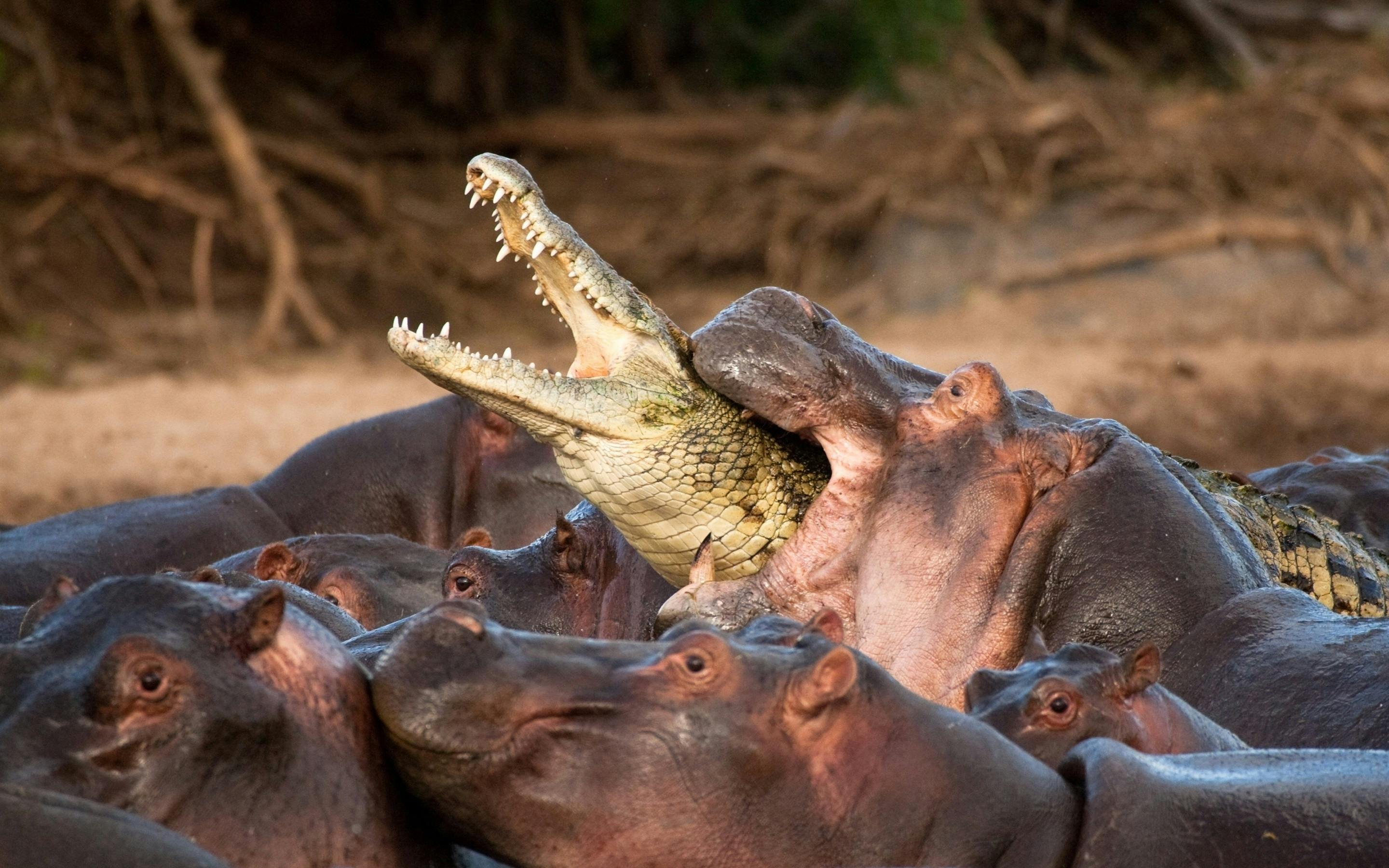
Nile crocodiles are the largest predators in the rivers of Africa. However, even these animals must be careful where they swim or walk. On land, lions sometimes attack crocodiles. But hippos pose the greatest danger to crocodiles. Hippo mothers who spot a crocodile will charge at it to protect their young. Elephants and rhinos are also capable of killing crocodiles.
Eggs and young crocodiles have even more to fear. Hyenas, mongooses and Nile monitor lizards are notorious nest robbers. That is why mothers protect their eggs fanatically.
Nile crocodiles share their habitat with large numbers of people. This leads to conflicts that are deadly for both humans and animals. Crocodiles also attack cows and goats at watering holes. In response, farmers lay out poisoned meat to combat the crocodiles.
In addition, much of the habitat and food supply of Nile crocodiles is disappearing due to intensified fishing and the construction of dams. Water quality is also deteriorating due to high levels of agricultural pesticides and toxic chemicals from industry and mining.
Despite all these problems, the number of Nile crocodiles in the wild is fortunately still quite high. The population size appears to be stable for now. For this reason, we consider the Nile crocodile to be of “Least Concern”.