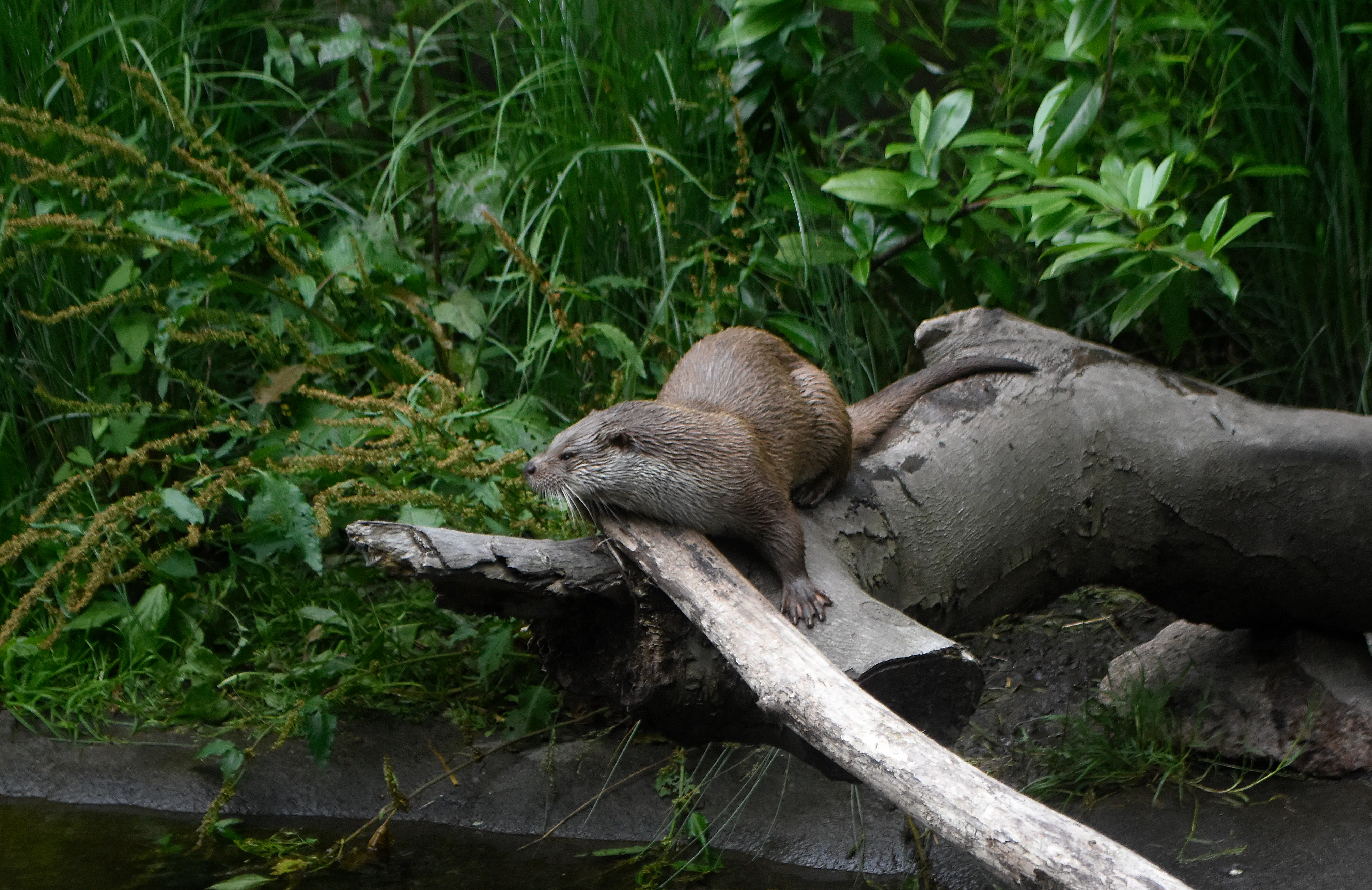
You can find them in rivers throughout Europe and Asia. Eurasian otters are true acrobats that glide gracefully through the water. Otters also occur naturally in the Netherlands. They disappeared for a while due to water pollution and roadkill, but are now making a comeback. Dive into the world of the Eurasian otter here.
Lutra lutra
Up to 17 years
83 - 132 centimetres
Tail length: 33 - 50 centimetres
5 - 14 kilograms
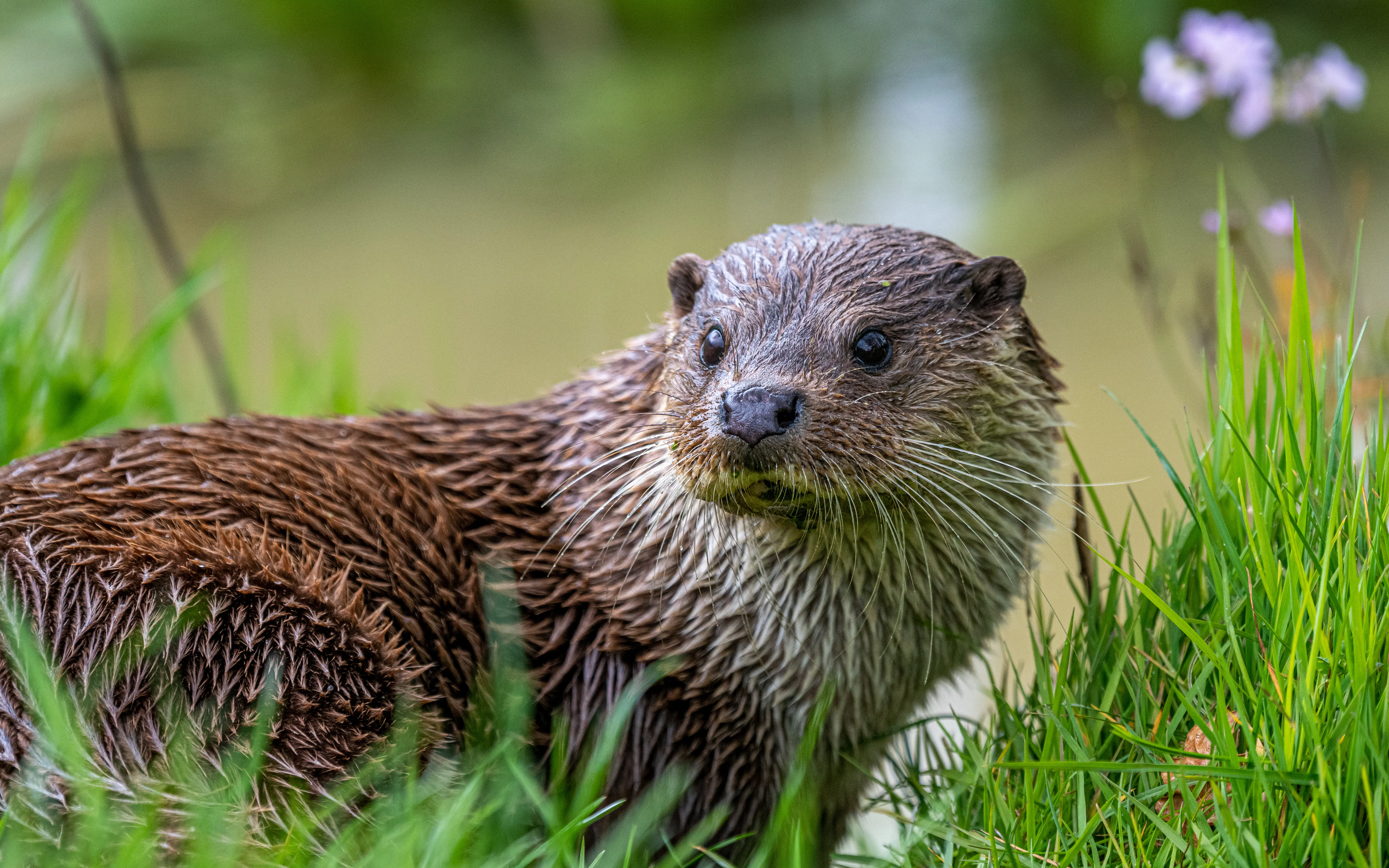
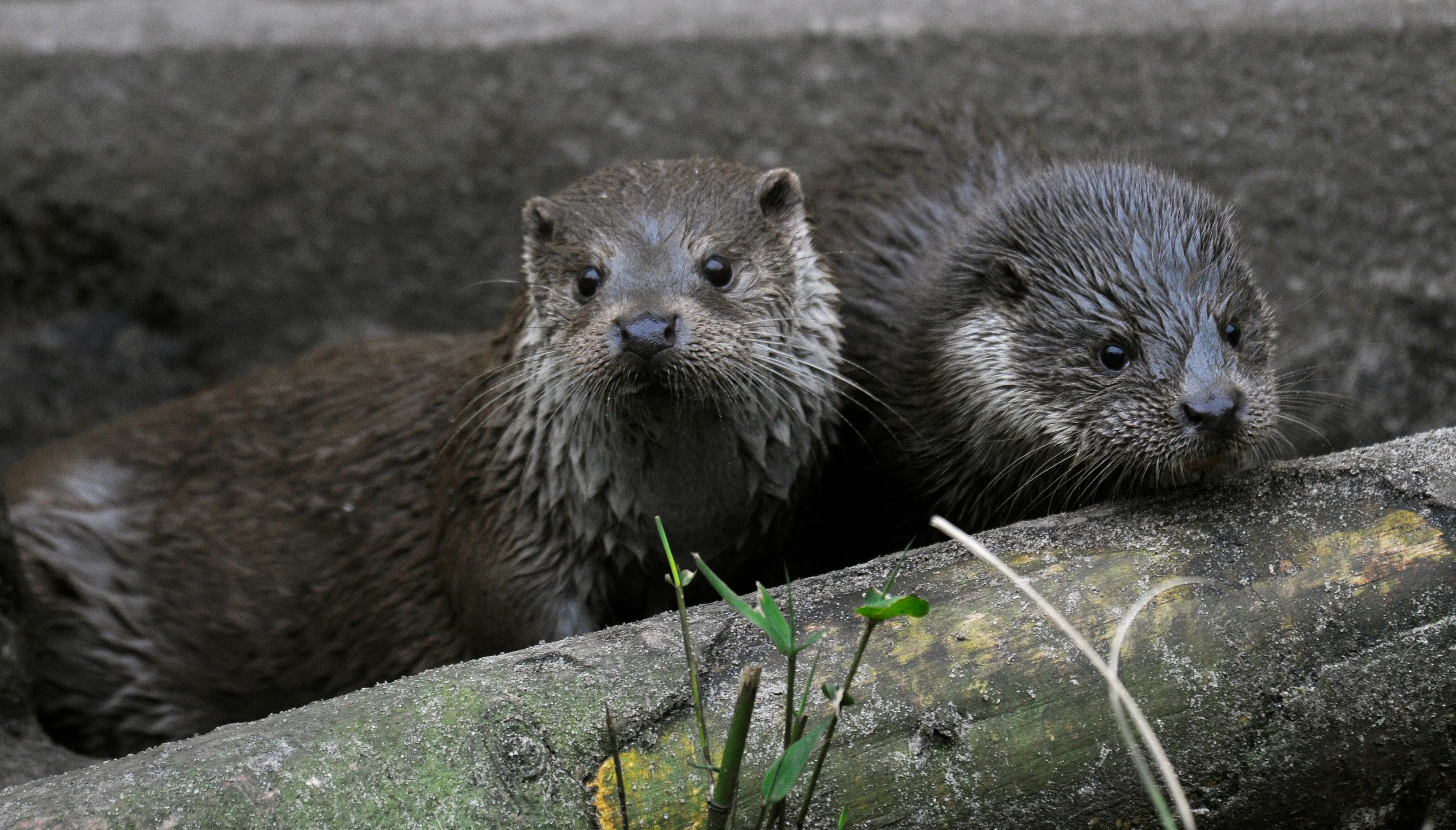
Eurasian otters can be recognised by their grey-brown coat, which is considerably lighter in colour on the belly. This coat consists of two layers: the longer, thicker hairs are water-repellent, whilst the short hairs underneath keep the otter warm.
Otters have short, powerful legs with webbed feet. With their streamlined shape and strong, agile tail, they are fantastic swimmers. Their nose, eyes and ears are positioned on top of their head, allowing them to keep a close watch on their surroundings whilst in the water.
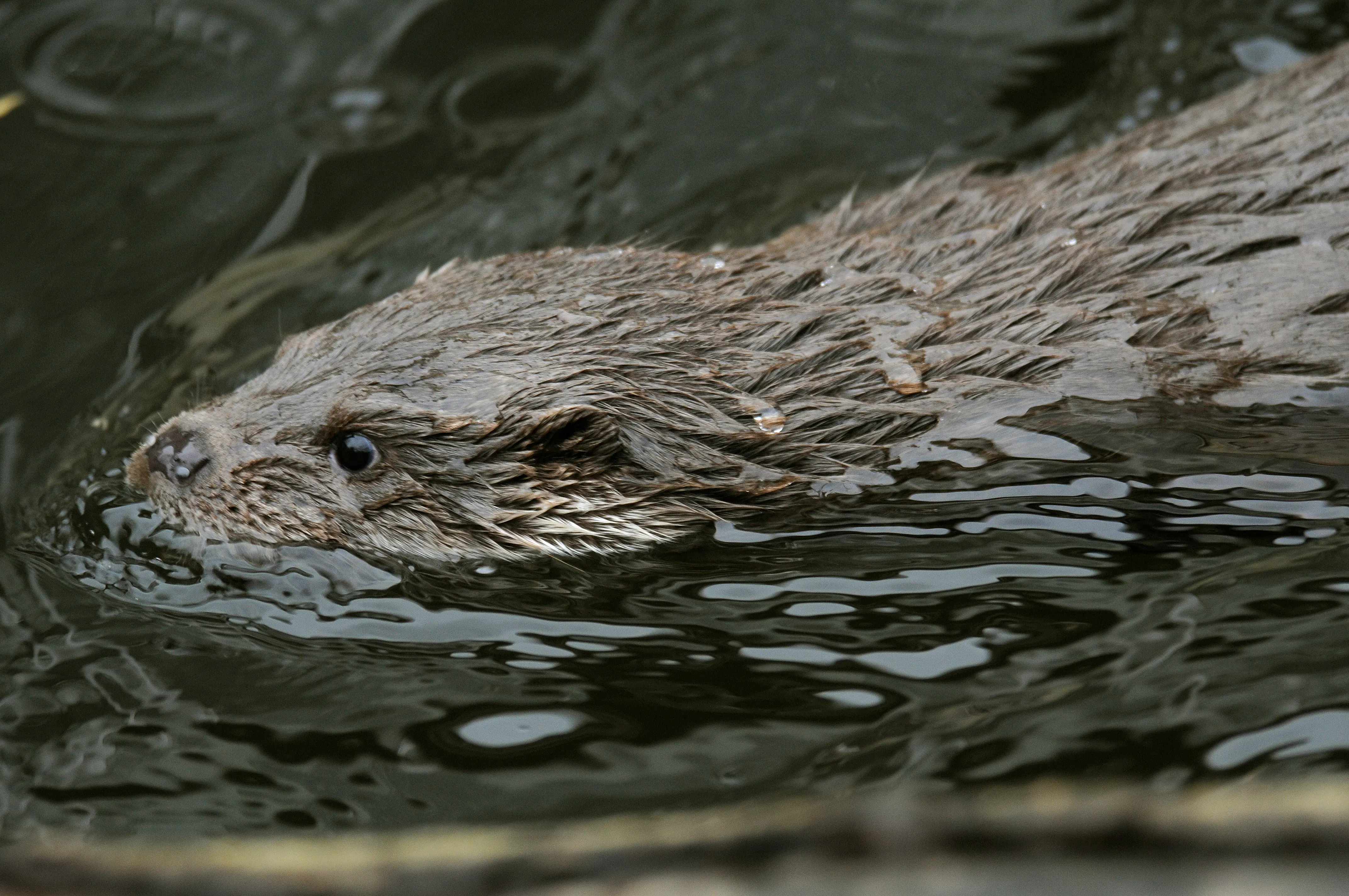
As the name suggests, Eurasian otters are found throughout Europe and Asia – from Portugal to Indonesia and even in the far east of Russia. They can also be found in parts of north-west Africa. They live in rivers, streams, lakes and marshes. They also feel at home in mountain streams at altitudes of up to 4,000 metres. They generally avoid deeper water.
Eurasian otters are mainly active at dusk and at night. They take shelter in burrows or hollow tree trunks, often close to the water.
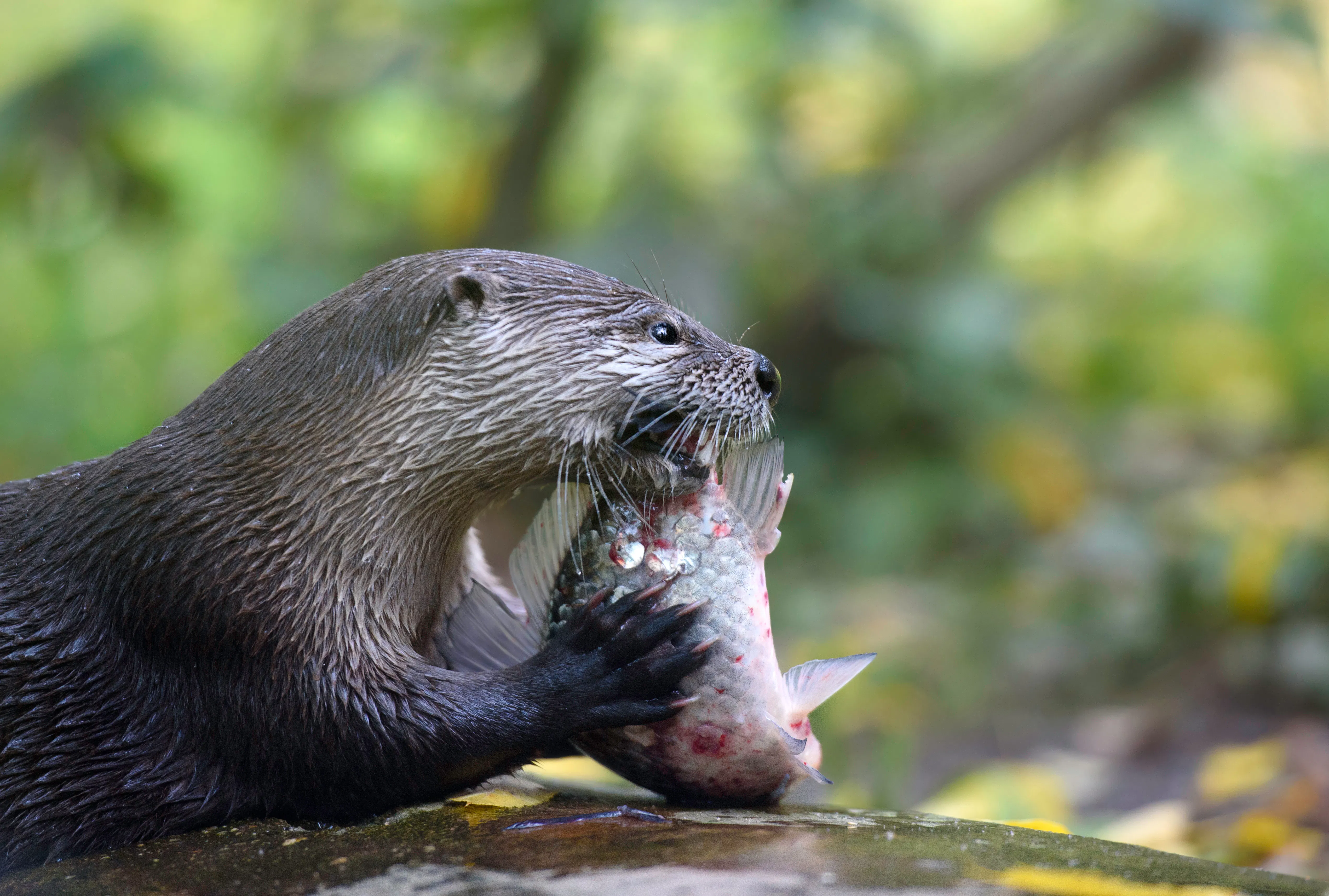
Otters are predators that dart through the water at lightning speed. With their keen sense of smell and sensitive whiskers, they hunt for fish, frogs, crayfish and crabs. They may look cute, but they have very sharp teeth that easily pierce the shells of crustaceans. They use their front paws to hold their food steady whilst they bite into it.
Sometimes otters eat waterbirds, such as moorhens and coots. Otters also find food on land. Eggs, mice, insects and other small animals are all on the menu. They can eat almost a kilo a day.
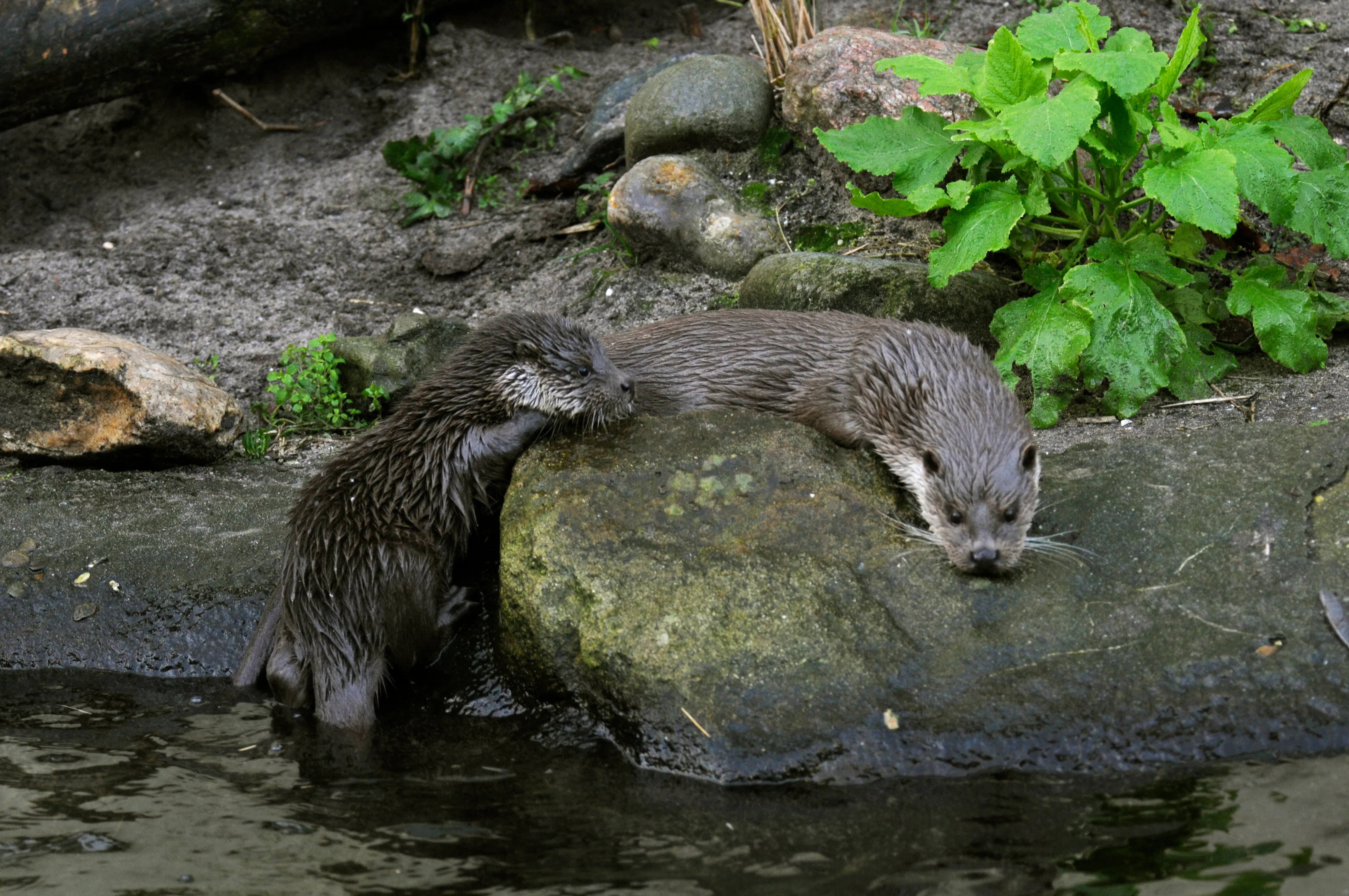
It was previously thought that otters mainly lived alone and did not tolerate other animals of the same sex in their territory. However, recent research shows that otters are more social than we think. Males often have territories that overlap with those of several females. In other areas, otters of all ages and sexes can be found together. Nevertheless, some otters are very territorial: they defend their territory against others. So it really depends on the individual otter whether it likes to socialise with others.

Female otters are fertile for two weeks every six weeks. They signal this to the males by defecating at particular spots on the edge of their territory. The males can actually smell from the faeces whether the female is fertile or not! Once they have found each other, they mate in the water. The male then usually returns to his own territory.
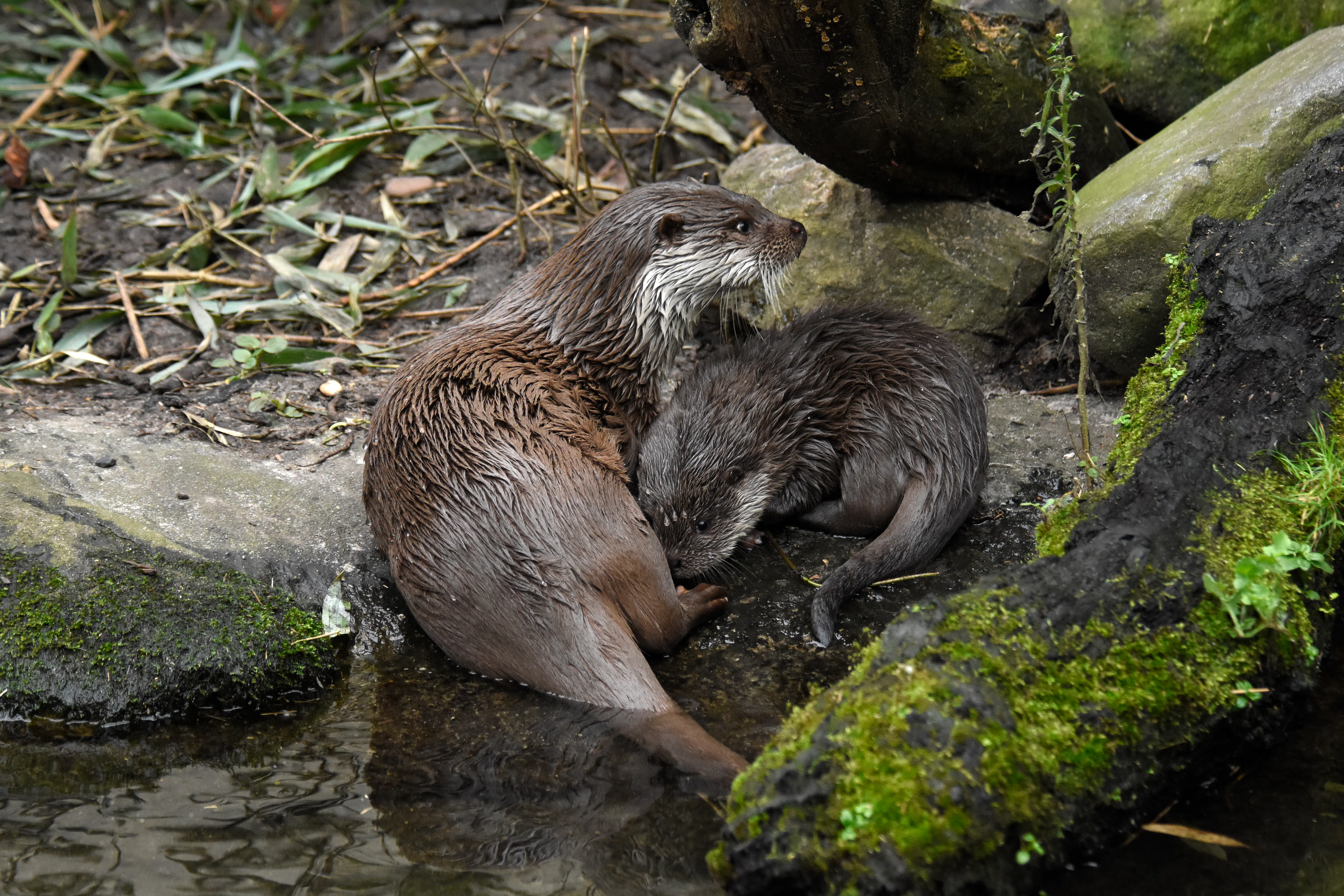
After about two months, a mother otter usually gives birth to two or three cubs. At birth, they are blind and weigh around 130 grams. As the young otters cannot yet swim and are vulnerable to predators, the mother usually gives birth to them in a sheltered den, with an opening to the outside that does not flood.
After two months, the otters are big enough for their first swimming lesson. By nature, young otters are afraid of water, so the mother sometimes has to push them into the water. After a year, the cubs are big enough to strike out on their own.
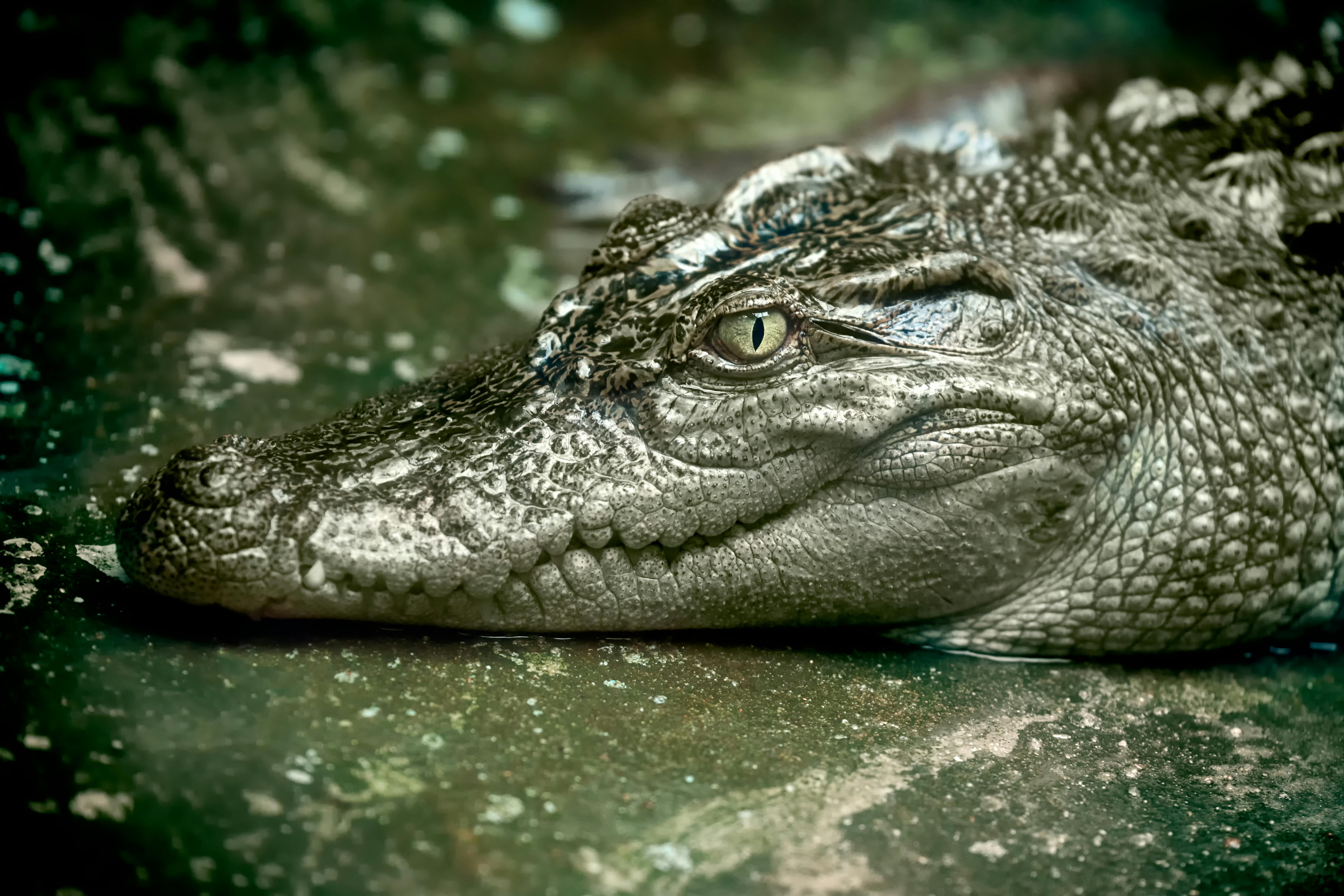
Because the Eurasian otter is found in so many different parts of the world, its natural predators are just as diverse: from wild dogs to crocodiles and birds of prey. Otters therefore need to be on their guard.
In the Netherlands, there are few animals large enough to attack an adult otter. In theory, a wolf or a bird of prey could kill an otter, but no such incident has yet been recorded here.
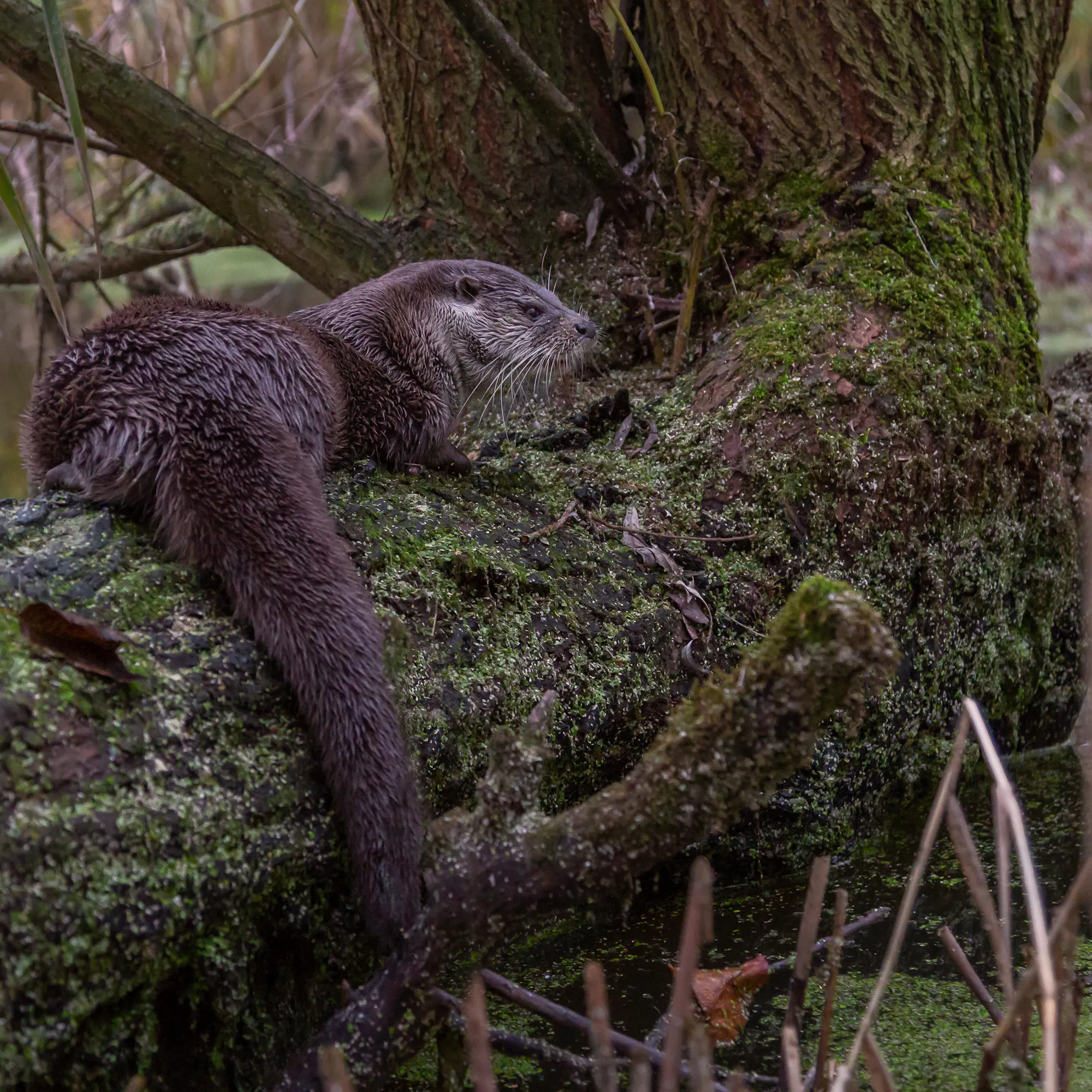
In various parts of Western Europe, including the Netherlands, otters had become extinct by the end of the twentieth century. This was mainly because the water was becoming increasingly polluted. In addition, otters were often killed in road accidents whilst crossing dangerous roads on their way to the next body of water.
In 2002, new otters were released into the wild in the Netherlands for the first time. Fortunately, as the water is becoming cleaner, the otters are once again feeling completely at home here. However, roadkill remains a major problem. That is why nature conservationists are constructing special otter tunnels, through which the otters can safely cross to reach the other side.
Worldwide, the Eurasian otter is still a common species. The likelihood of the species becoming extinct in the near future is therefore not very high. Nevertheless, vigilance is still required to protect the otter’s habitat. The Eurasian otter is therefore classified as ‘Near Threatened’.
Rotterdam Zoo participates in the European population management programme for the Eurasian otter. Based on the pedigree of otters in zoos, the coordinator determines which animals are best paired with each other to produce healthy offspring. These young are then moved to other zoos to form the next generation. In this way, we are building up a healthy population as a back-up for the wild animals, with the ultimate goal of returning otters to their natural habitat when conditions there are favourable.