Reservepopulatie
Zoos play an important role in scientific research. Many types of research, such as behavioural observations, are difficult to carry out in the wild because animals may quickly disappear from view. Knowledge about physiology, genetics, health and veterinary care is easier to collect in a controlled environment and with animals that are accustomed to human presence. The knowledge we gain is shared as widely as possible with conservation projects worldwide. Scientific research results are disseminated through publications.
Population management programmes aim to maintain healthy backup populations of animals in zoos. In addition, we strive to integrate these programmes as much as possible with conservation activities in the species’ countries of origin, also known as in situ conservation.
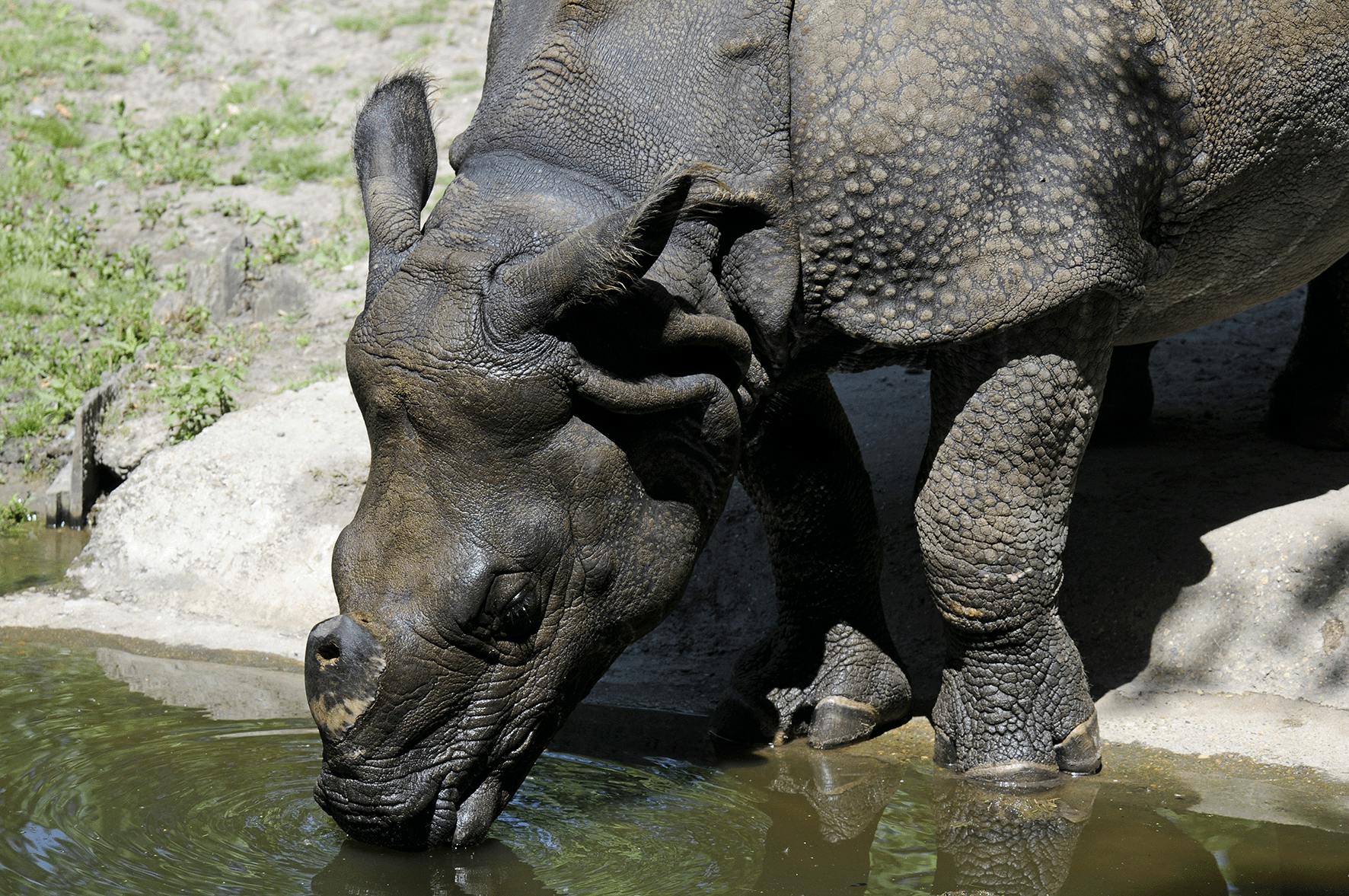
No single zoo has enough individuals of one species to build and maintain a viable population on its own. This is why zoos work together. The coordination of population management programmes takes place at a European or even global level. Through cooperation and the exchange of animals between different zoos, we are able to keep zoo populations genetically healthy.
The exchange of animals always takes place without financial transactions. Animals are not bought or sold.
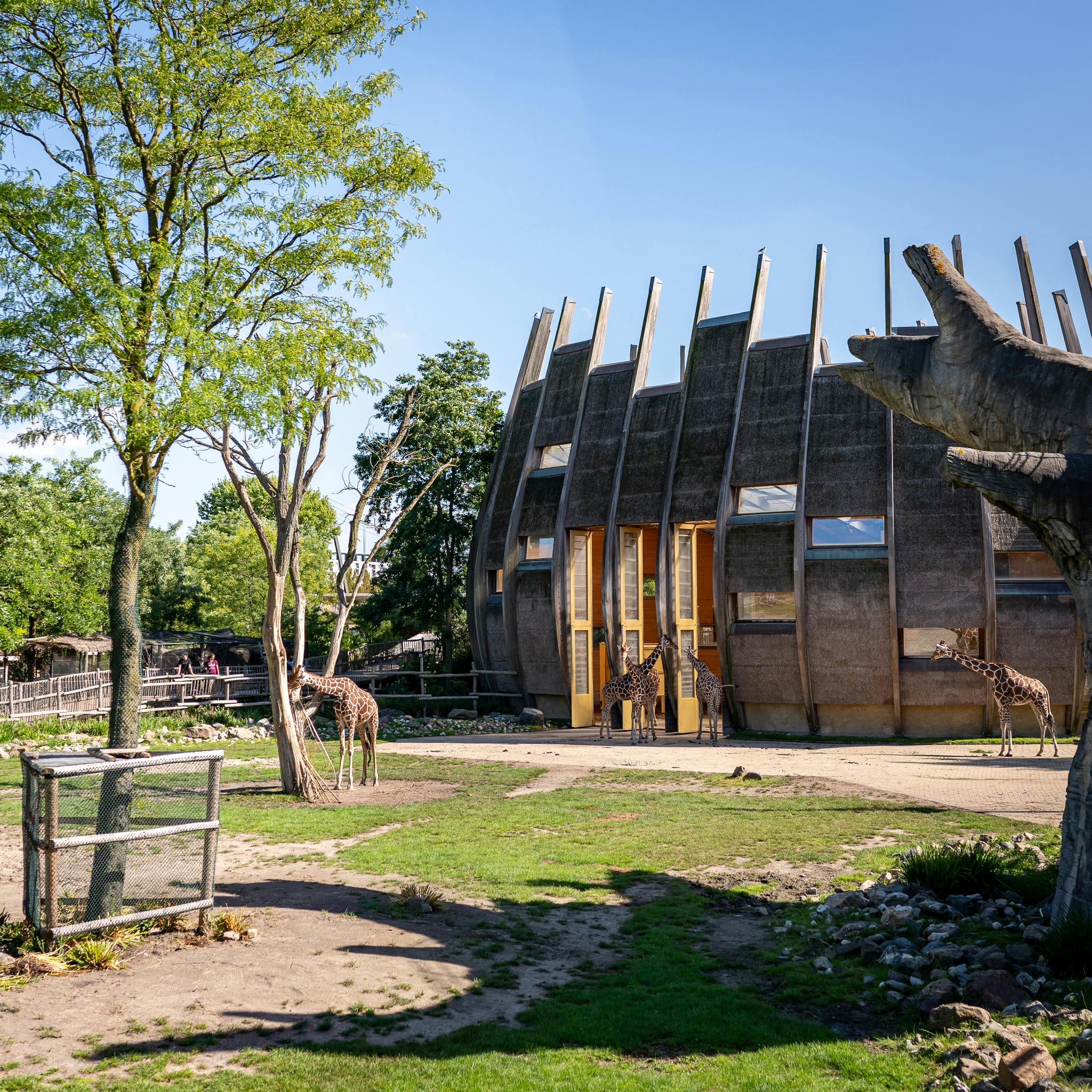
Within population management programmes, Rotterdam Zoo collaborates with various EAZA member zoos. EAZA stands for the European Association of Zoos and Aquaria and is the umbrella organisation for accredited European zoos. To become a member, a zoo must meet strict requirements, ensuring a high standard of quality across European zoos.
Population management programmes coordinated within EAZA are referred to as EEPs, which stands for EAZA Ex situ Programme. Currently, there are more than four hundred European population management programmes.
The coordinator of a population management programme works together with a committee of experts to decide which animals may reproduce and which individuals should be transferred to other zoos. Decisions are also made about where offspring will be housed once they grow up.
Computer software is used to analyse the genetic makeup of the population. Experts also determine long term policy, such as how many individuals a population can sustainably support in ten years or what measures are needed in the coming years to keep inbreeding at a low level.
At Rotterdam Zoo, the following population management programmes are coordinated:
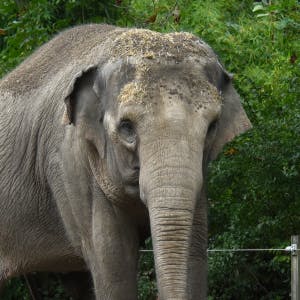
Asian elephant
EAZA Ex situ Programme EEP
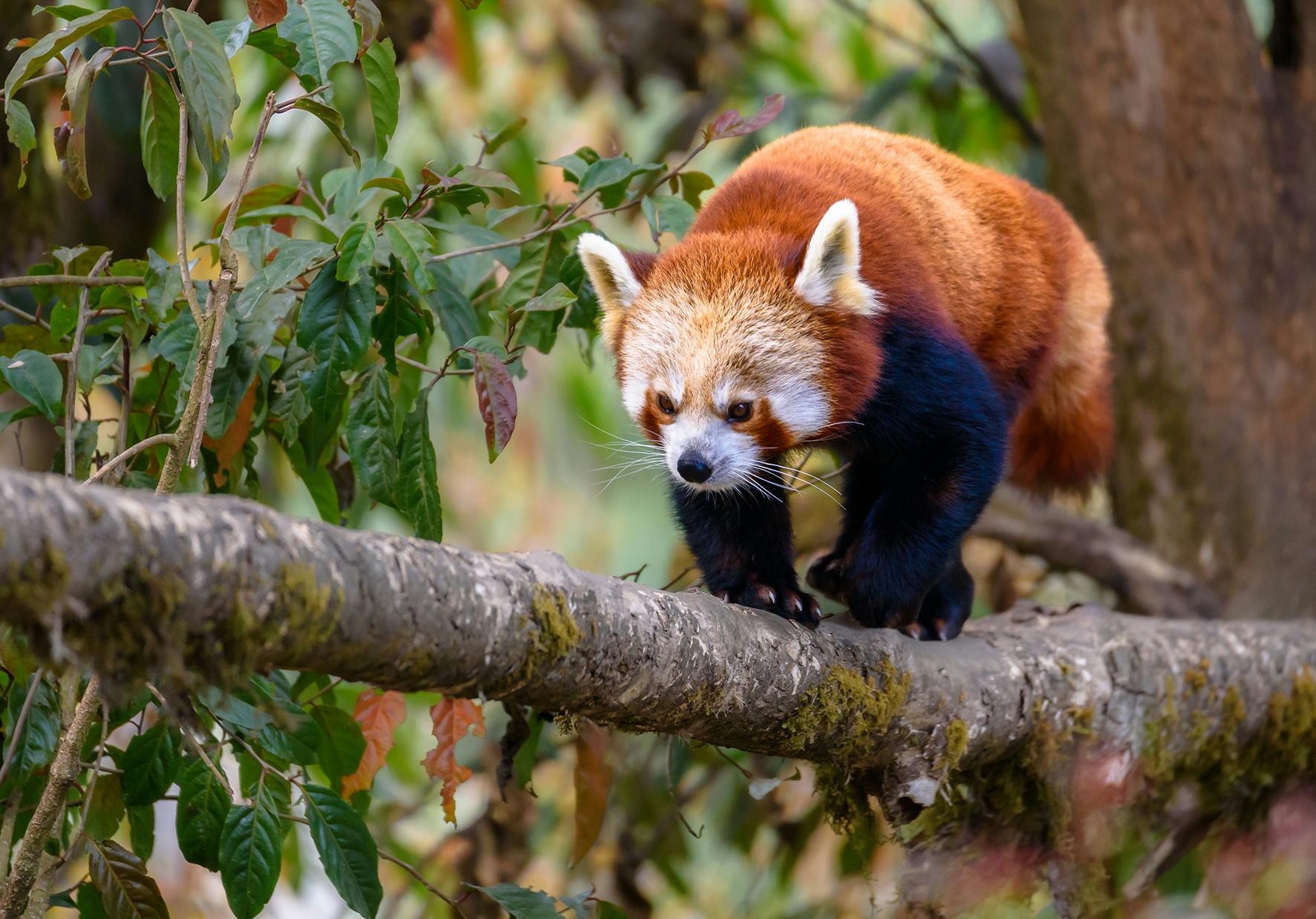
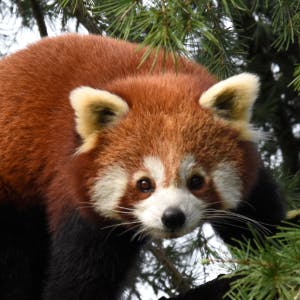
Red panda
EAZA Ex situ Programme EEP and Global Species Management Programme GSMP
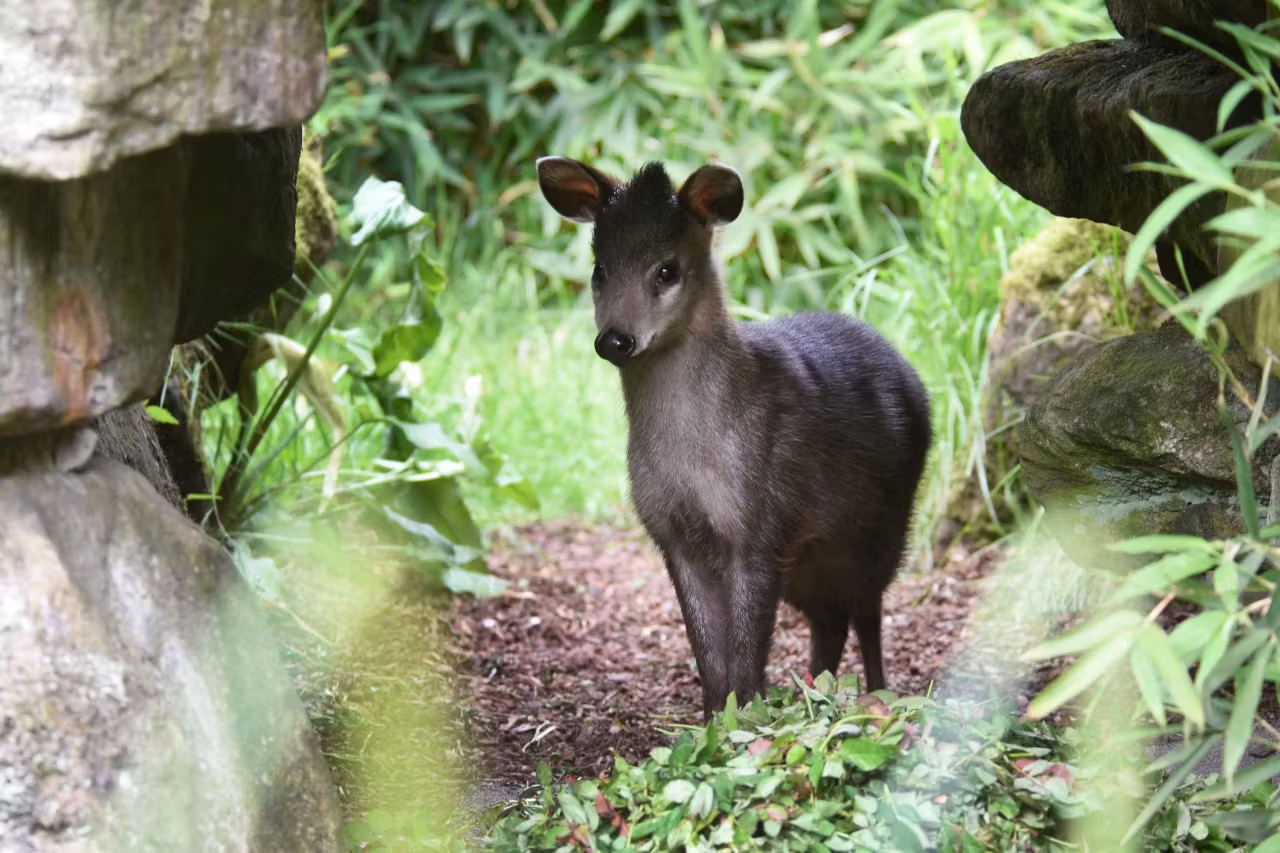
Tufted deer
EAZA Ex situ Programme EEP
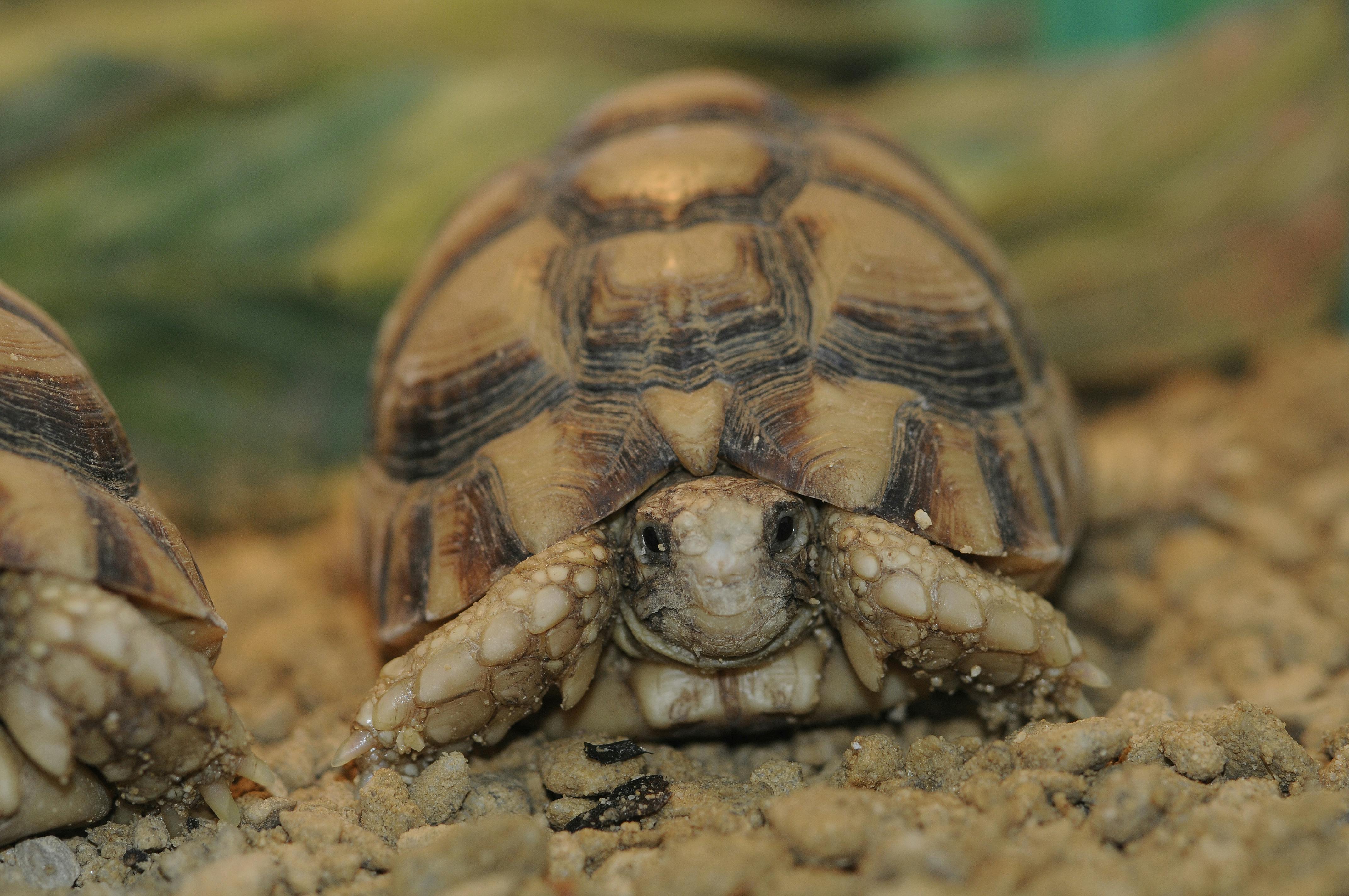
Egyptian tortoise
EAZA Ex situ Programme EEP
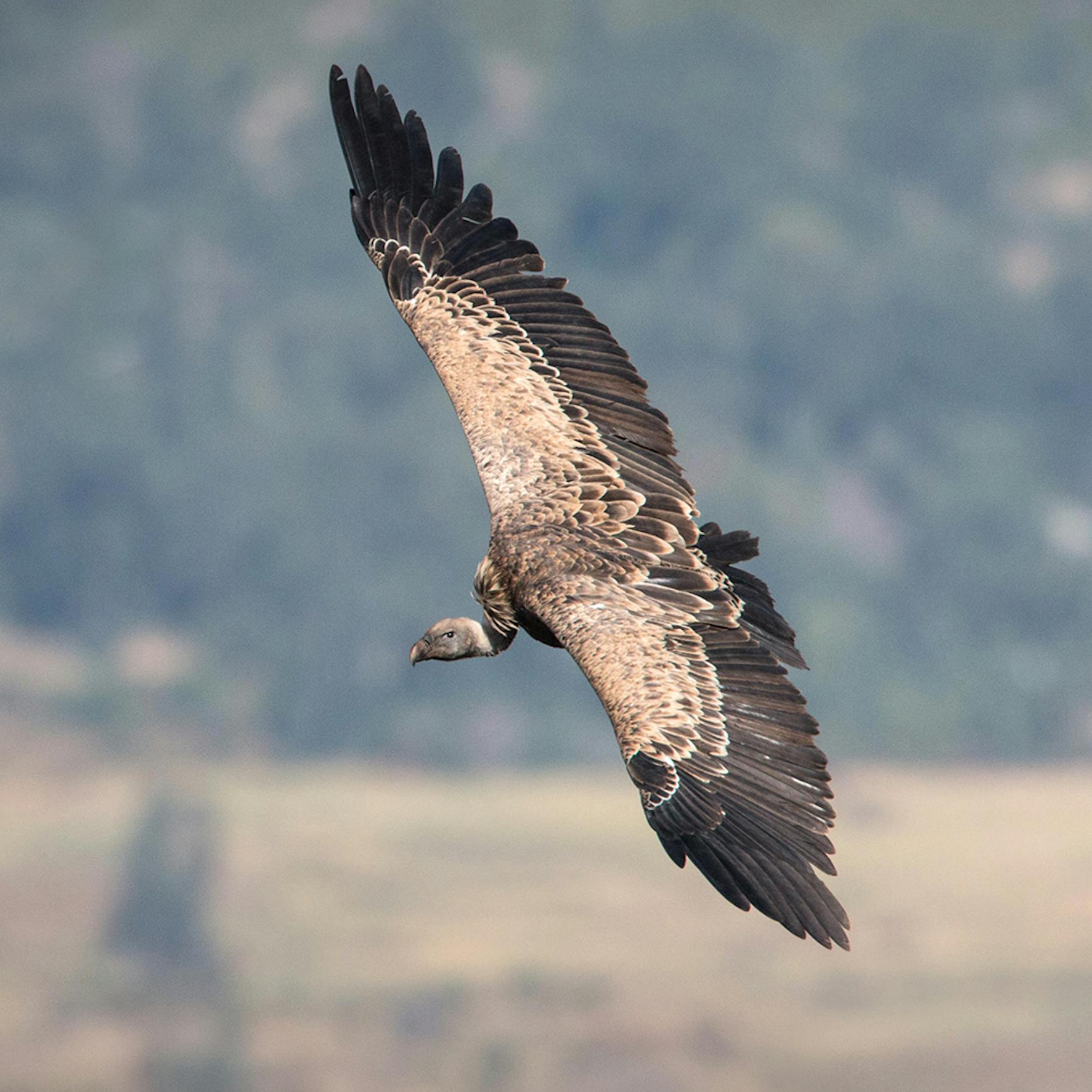
Rüppell’s vulture
EAZA Ex situ Programme EEP
Dalmatian pelican
EAZA Ex situ Programme EEP
Asiatic lion
EAZA Ex situ Programme EEPS
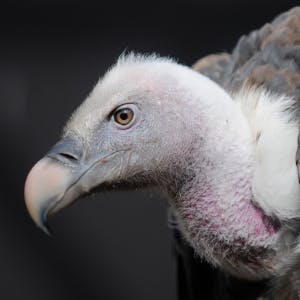
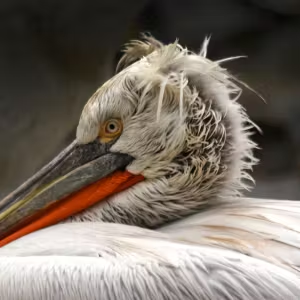
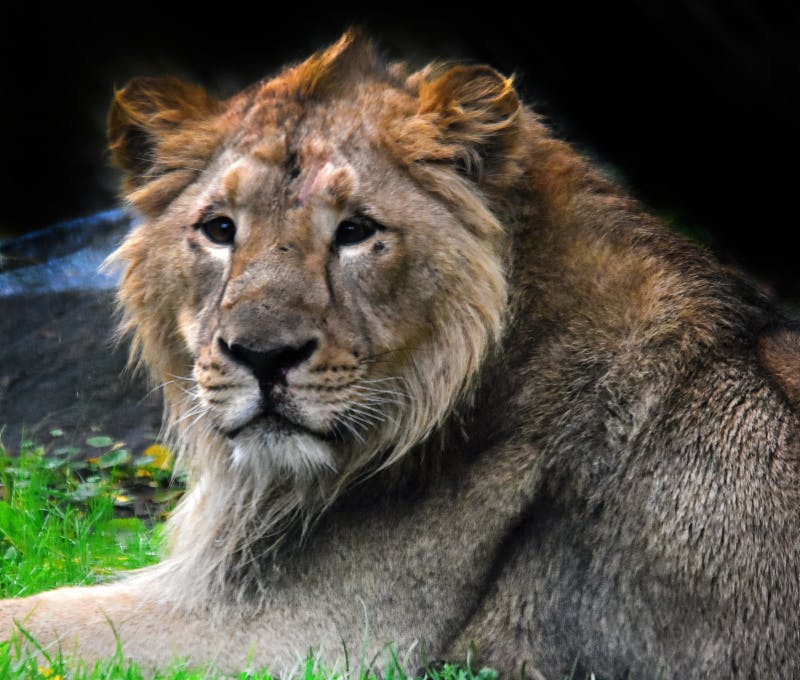

Within each population management programme, specialists assess how zoo populations can support wild populations. This assessment takes into account the conservation status of the species and the threats it faces, using tools such as the IUCN Red List.
The size and genetic value of zoo populations worldwide are also evaluated. Based on this information, the role of a programme is defined. A programme may serve an educational function, safeguard a genetically viable reserve population or support future reintroduction efforts.
As extinction risks increase globally, the function of population management programmes is reassessed every five to ten years. In this way, these programmes are increasingly embedded in species conservation in the countries of origin. This approach follows the One Plan Approach of the IUCN, which aims to integrate all conservation efforts globally into a single coordinated strategy.