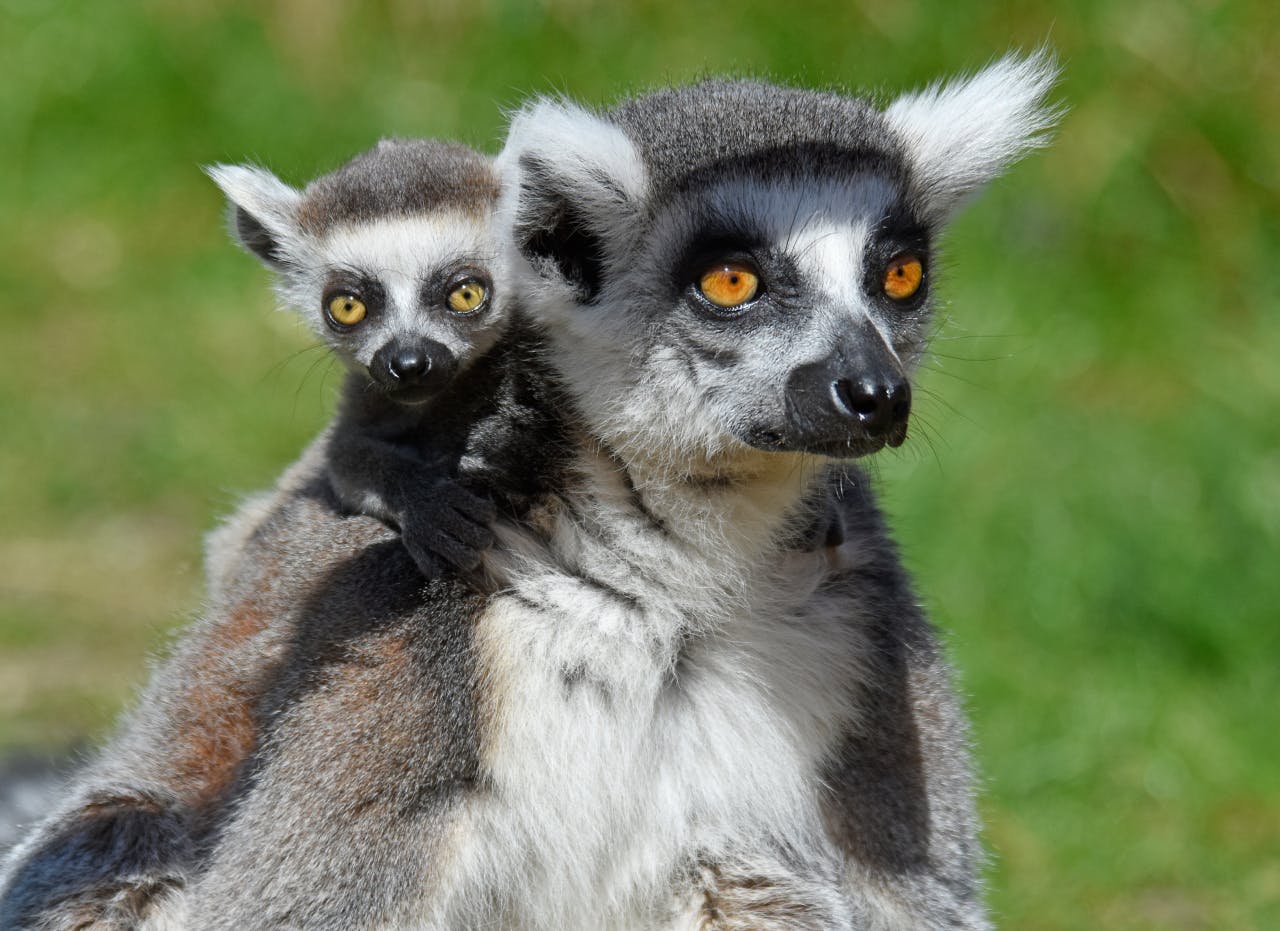
Rotterdam Zoo is committed not only to nature conservation and education, but also to an unwavering dedication to the welfare of its animals. Every decision, large or small, is made with the wellbeing of the animal as the highest priority.
Animal welfare lies at the core of Rotterdam Zoo’s ethical and operational vision. This approach is regularly reviewed based on the latest scientific insights and societal perspectives. A high standard of animal welfare is essential for reliable scientific research, successful breeding of endangered species and effective conservation education. We therefore regard animal welfare not only as an ethical responsibility, but also as a fundamental pillar of our conservation work.
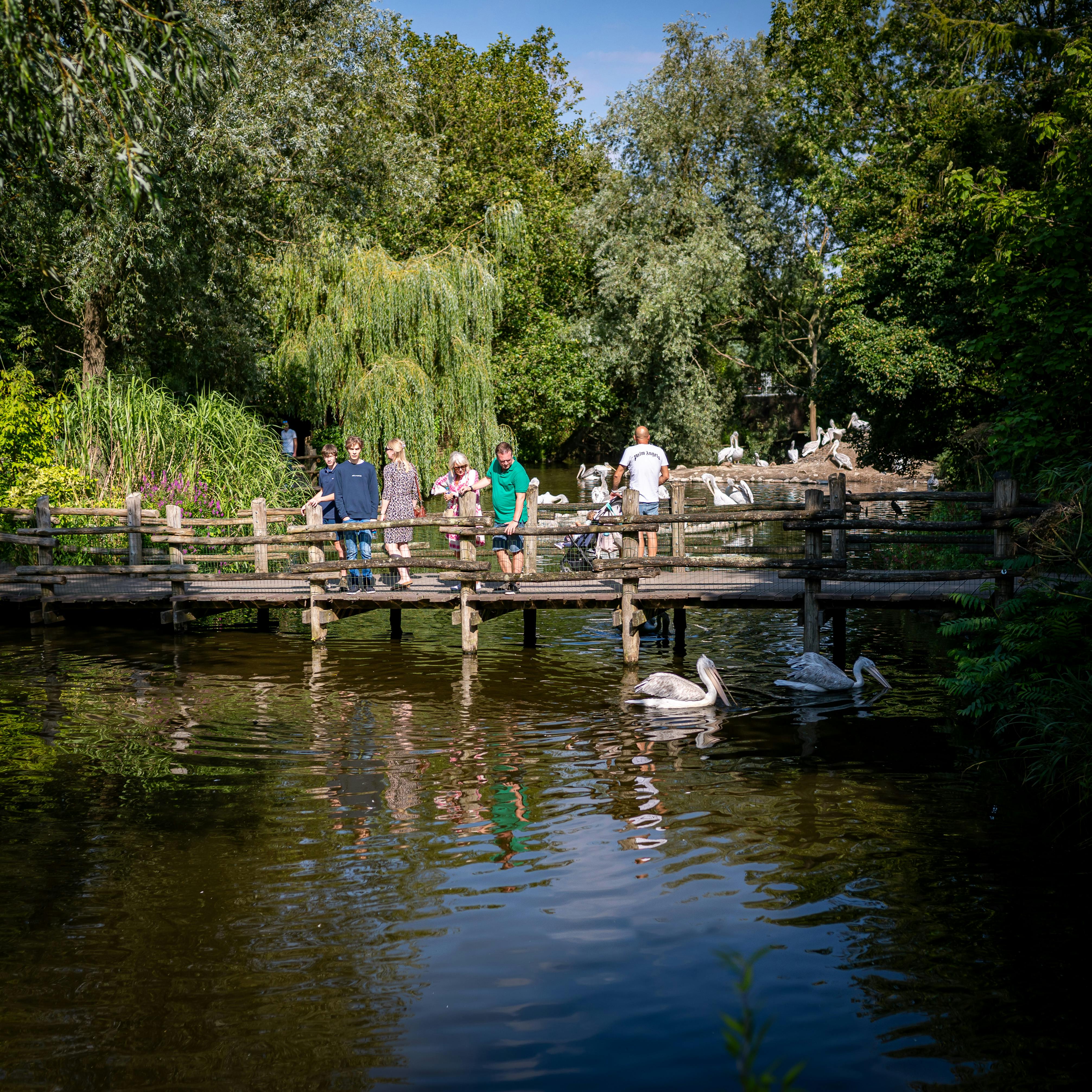
As a progressive organisation, Rotterdam Zoo actively seeks continuous collaboration with national and international partners. Participation in conferences and the sharing of knowledge are central to this approach. The EAZA Best Practice Guidelines serve as a guiding framework. Through membership of organisations such as NVD, EAZA and WAZA, Rotterdam Zoo undergoes regular external evaluations, during which animal welfare standards are critically assessed.
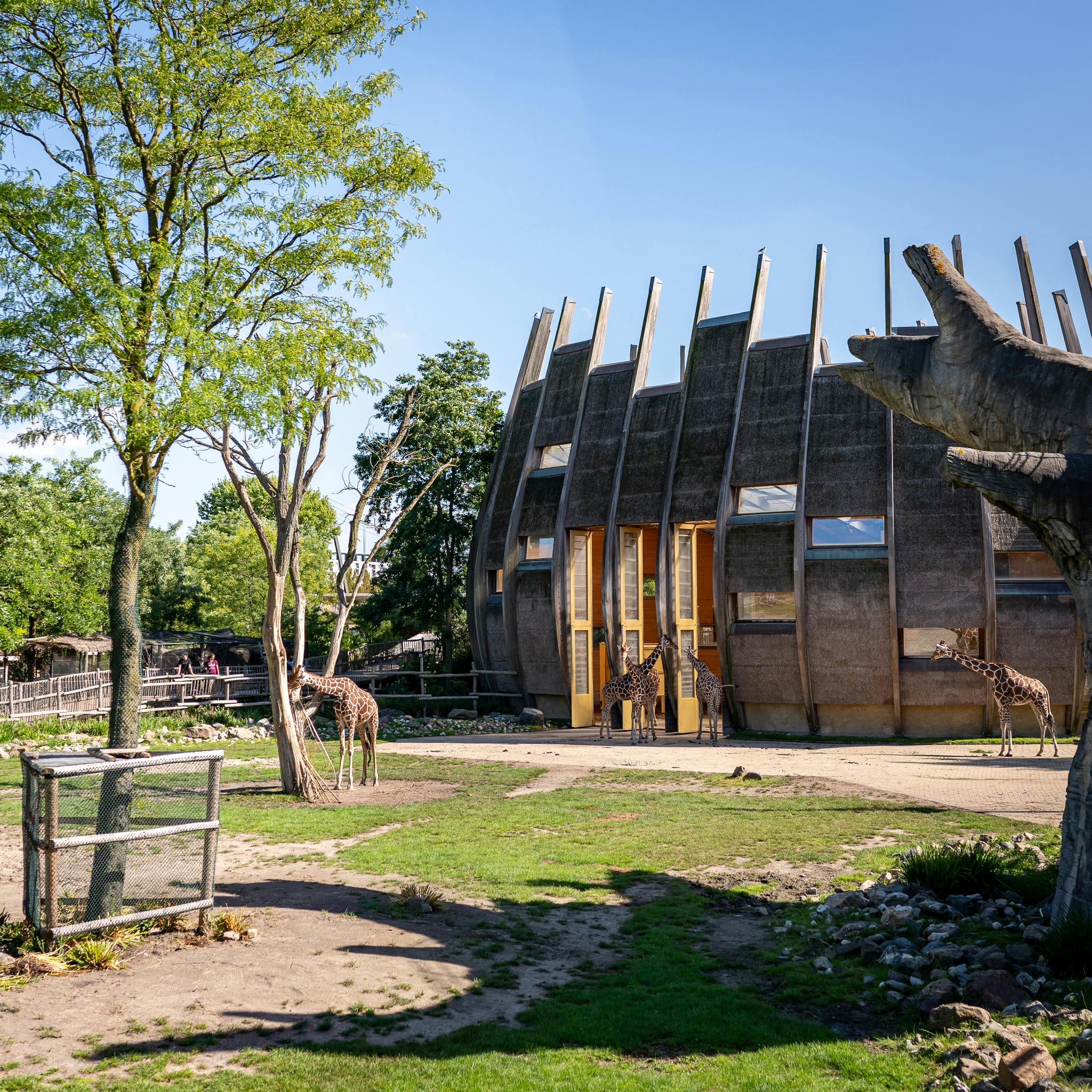
The wellbeing of our animals is systematically evaluated using the NVD Animal Welfare Methodology. This thorough and objective assessment includes a wide range of welfare indicators. The results lead to the development of Animal Welfare Action Plans, which contain targeted measures for improvement. Periodic reassessments ensure ongoing attention to the welfare of every animal in our care.
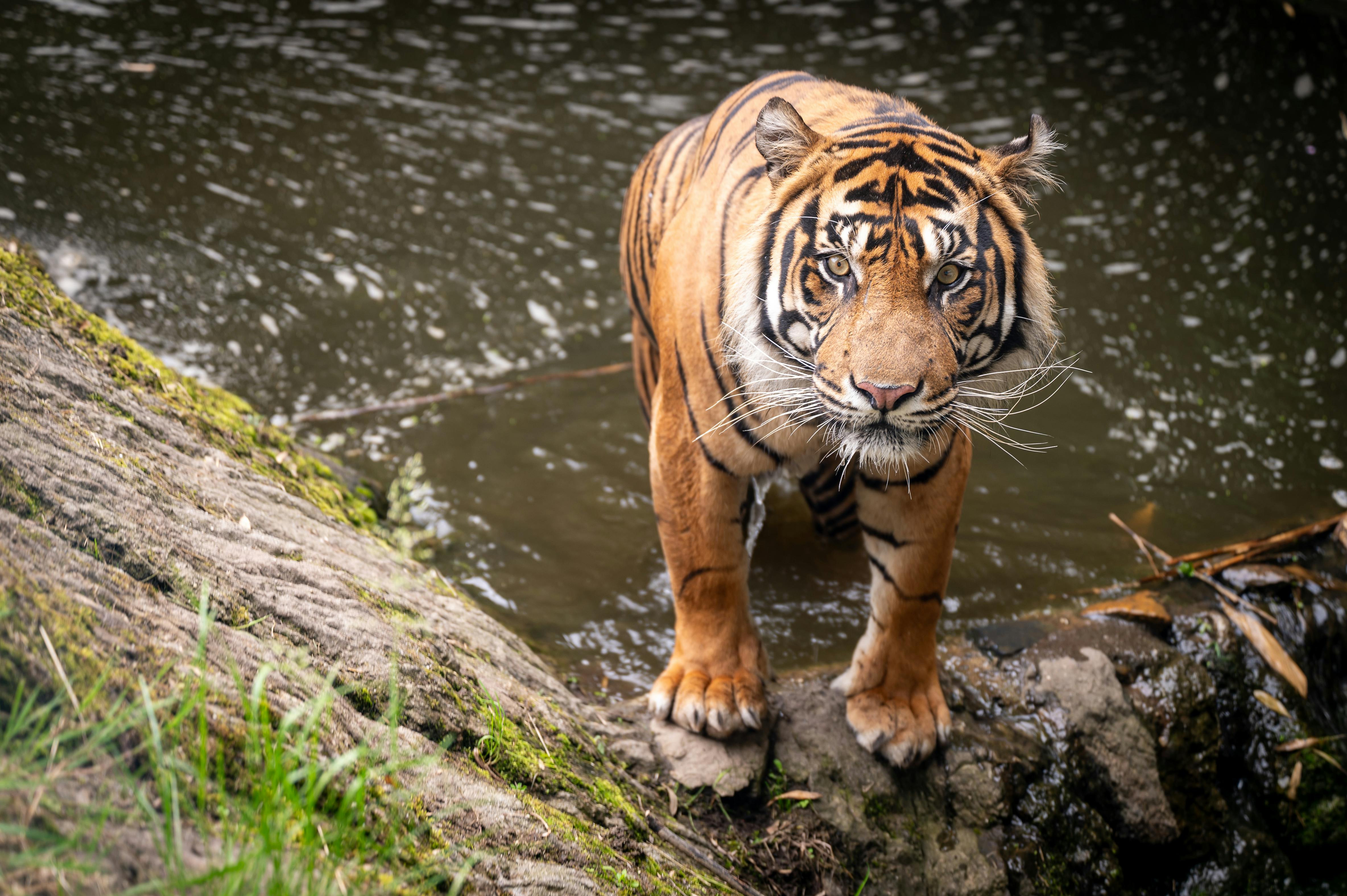
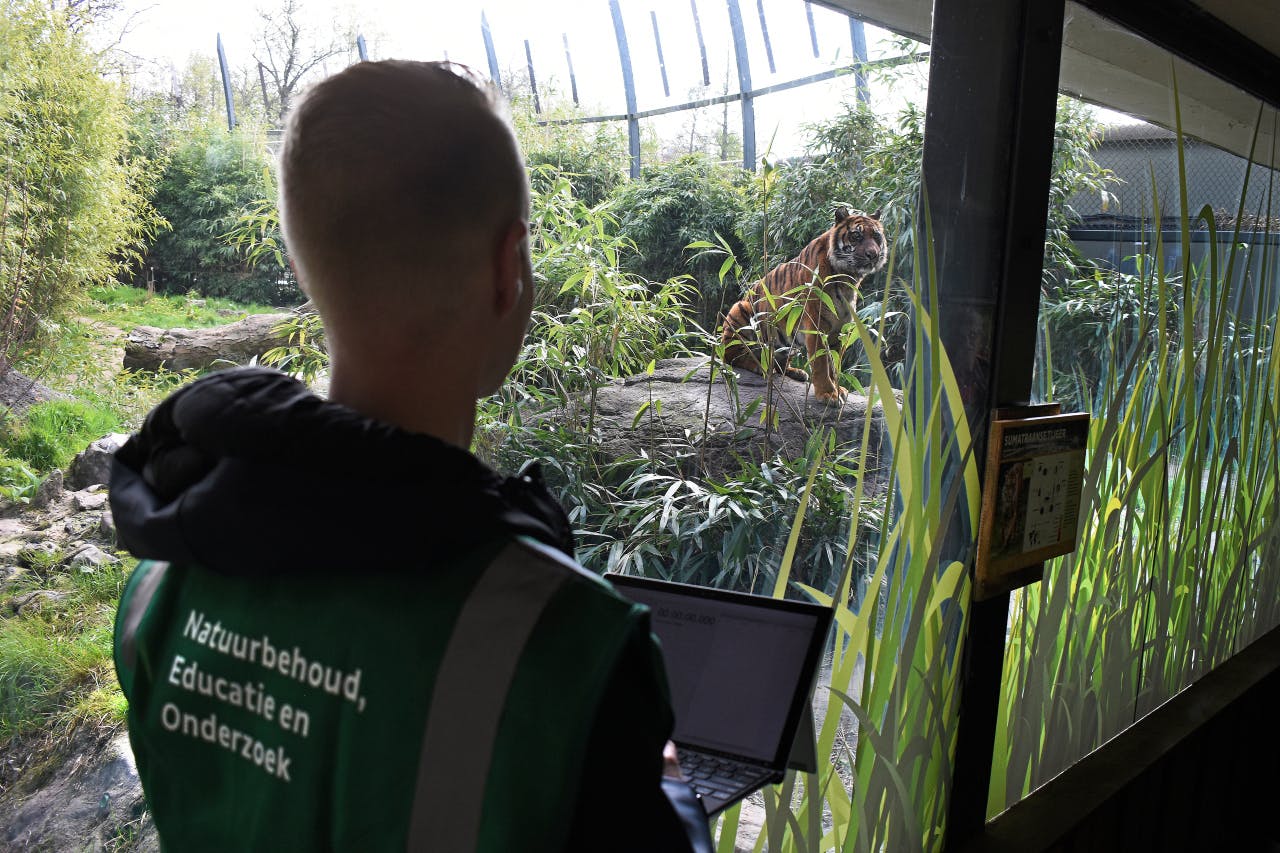
Research is essential for understanding and improving animal welfare. In collaboration with academic institutions, Rotterdam Zoo conducts in depth research into a variety of welfare related factors. These range from the impact of visitors to the influence of weather conditions. The aim is to continuously optimise animal living conditions based on scientific evidence.

Effective stress management is crucial for animal welfare. While acute stress responses can be natural, preventing chronic stress is a key priority. Advanced methods, such as cortisol measurements, are used to monitor stress levels. Proactive interventions are implemented where necessary to maintain optimal wellbeing.
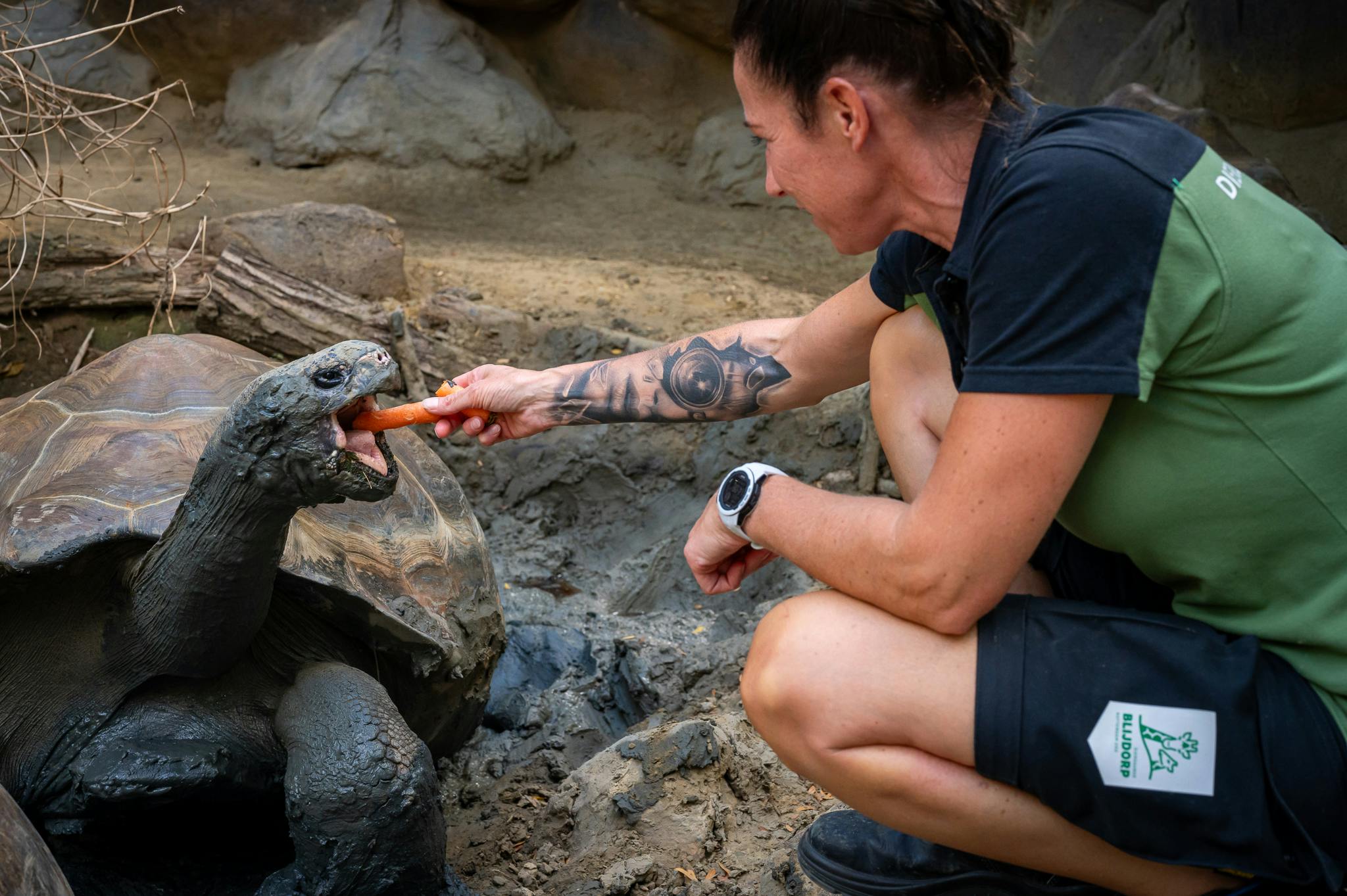
Reproduction plays a central role in conservation efforts. However, reproductive interventions can affect animal welfare. For this reason, the impact of such interventions is closely monitored. The goal is always to find a careful balance between conservation objectives and safeguarding the wellbeing of each individual animal.