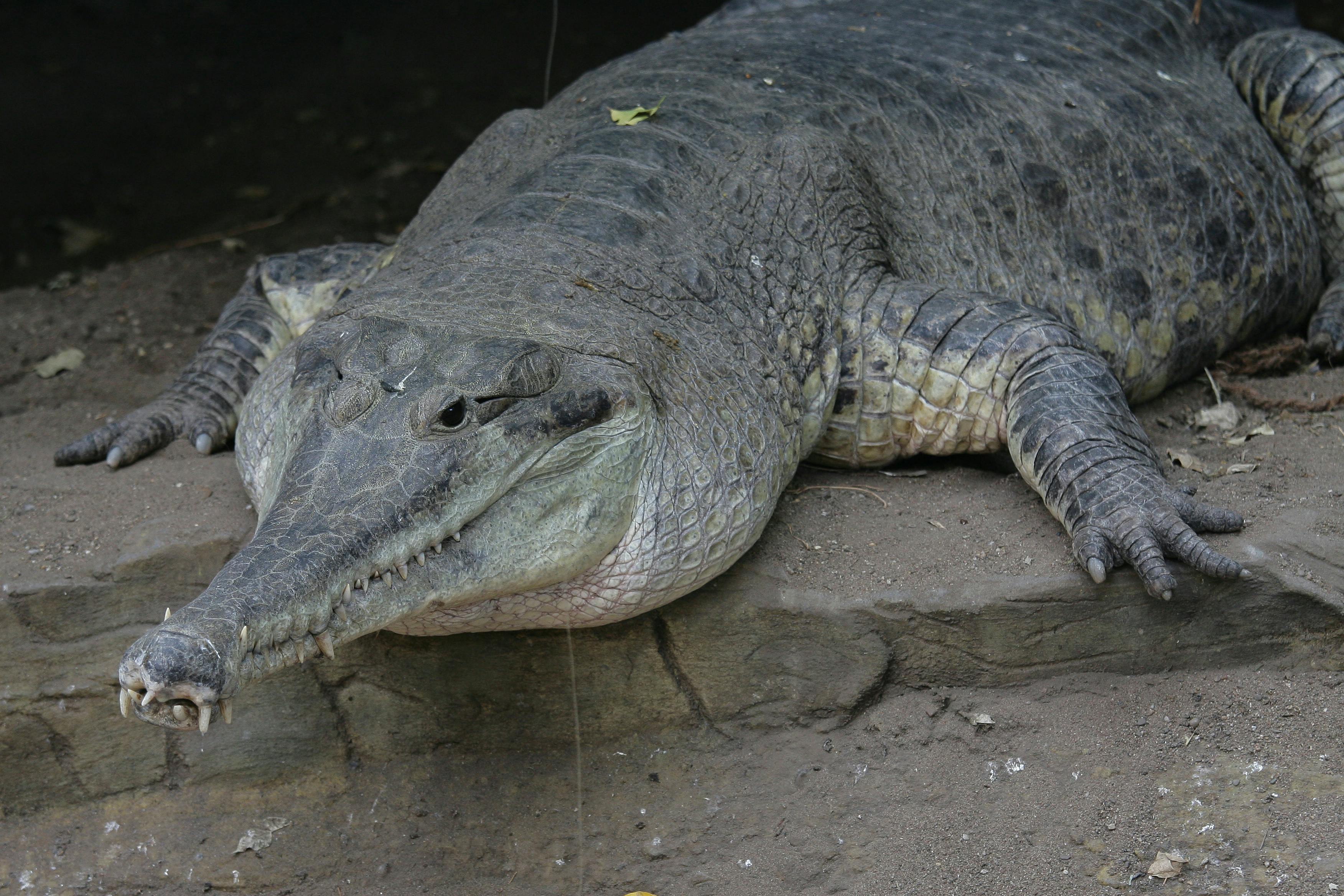
Deep in the forests of West Africa flows a river, along the banks of which lies what looks like a floating tree trunk. But then, when an unsuspecting prey swims past… snap! With its narrow, almost tweezer-like snout, the slender-snouted crocodile strikes. It is one of the few crocodile species capable of climbing trees, which is why you can often see them sunbathing on overhanging trees along the river. Find out more about this agile crocodile here.
Mecistops cataphractus
± 100 years
± 4 metres
± 230 kilograms
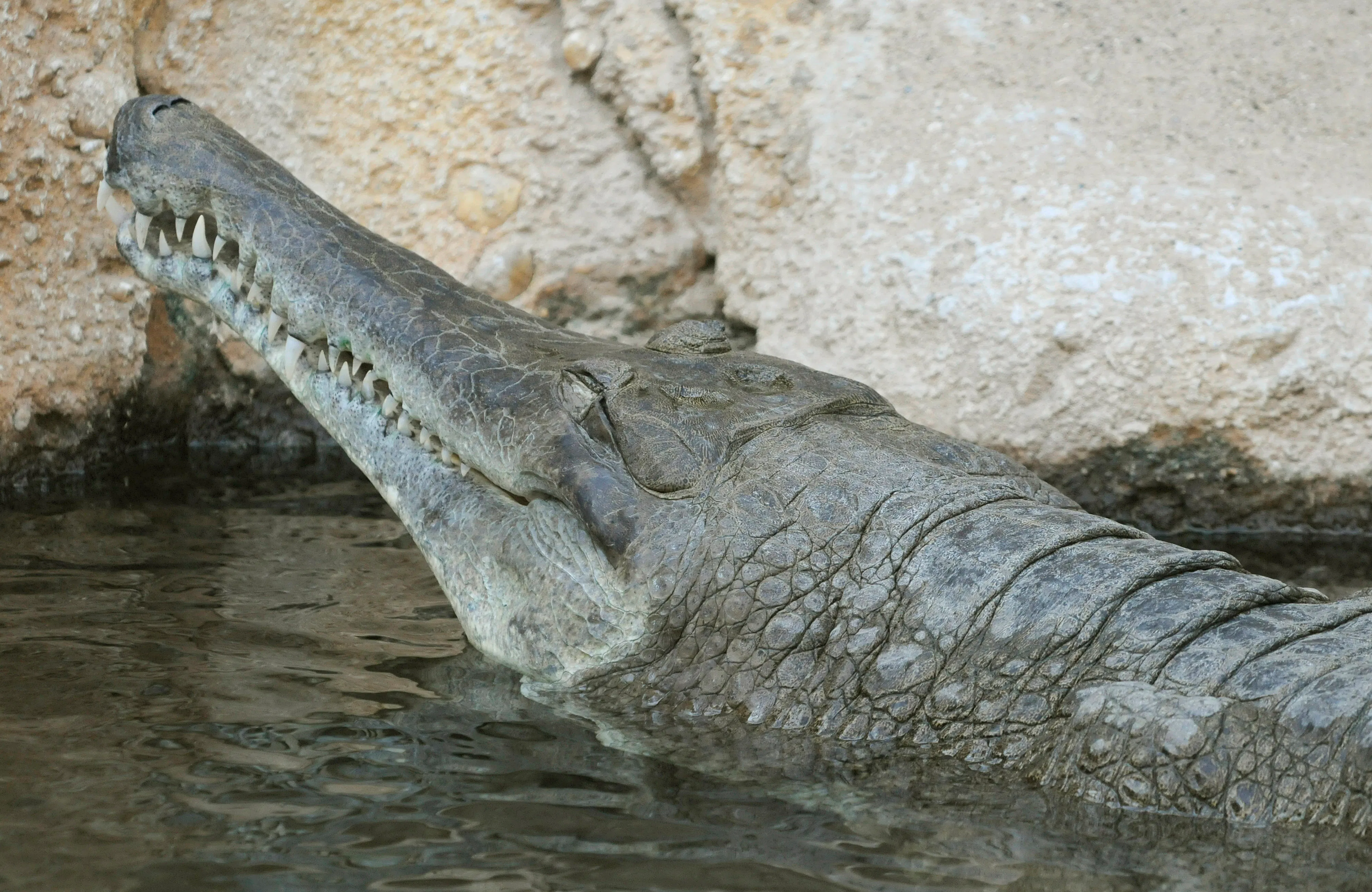
Slender-snouted crocodiles are easily distinguished from other crocodiles thanks to their long, slender snout. They are brown to greenish grey in colour with a yellow belly and sometimes black spots. The West African slender-snouted crocodile closely resembles the Central African species but has slightly larger and rougher scales.
As with other crocodiles, their nose, eyes and ears are aligned in a straight line along the top of their head. This allows them to lie almost completely submerged whilst still being able to keep close watch on their surroundings.
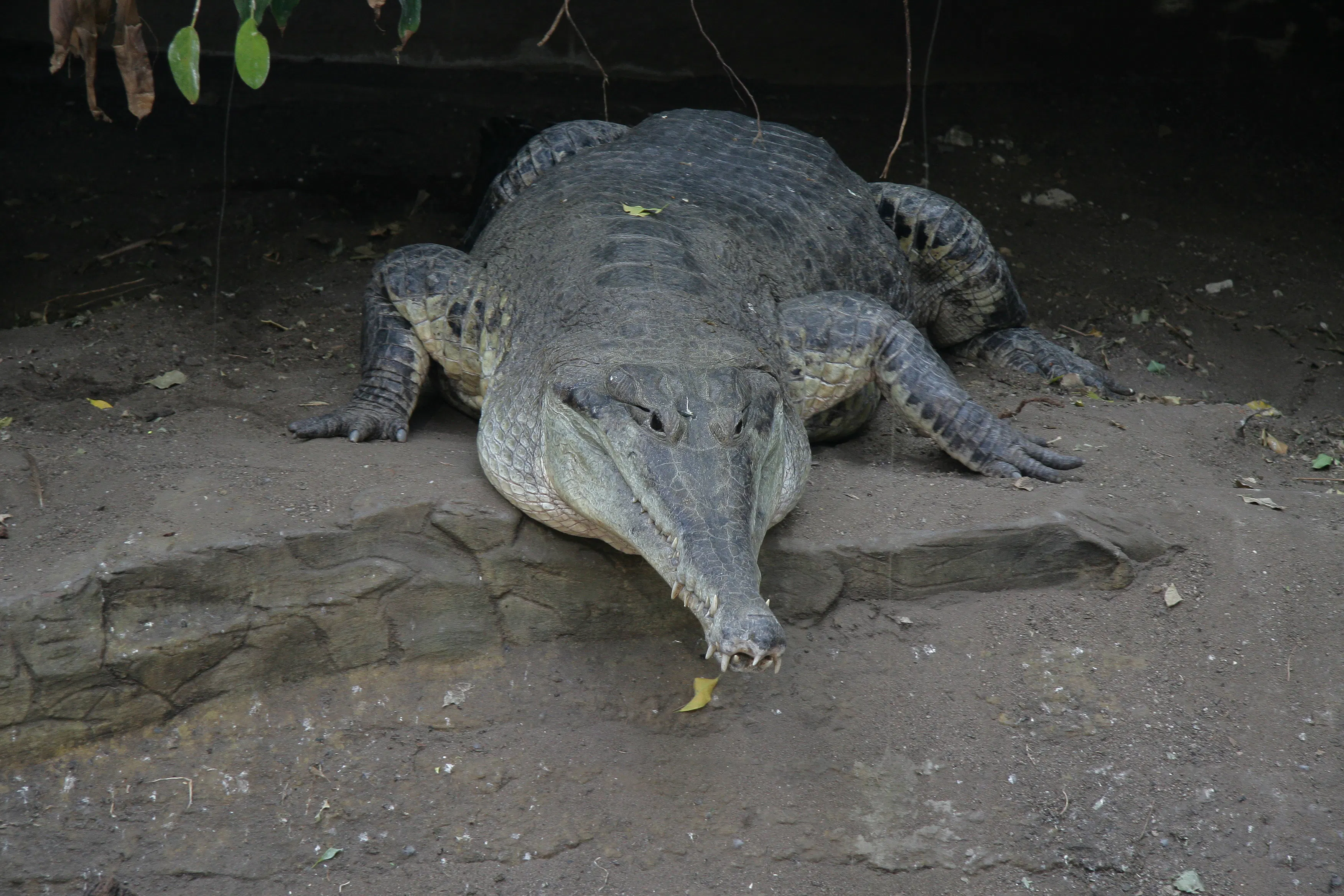
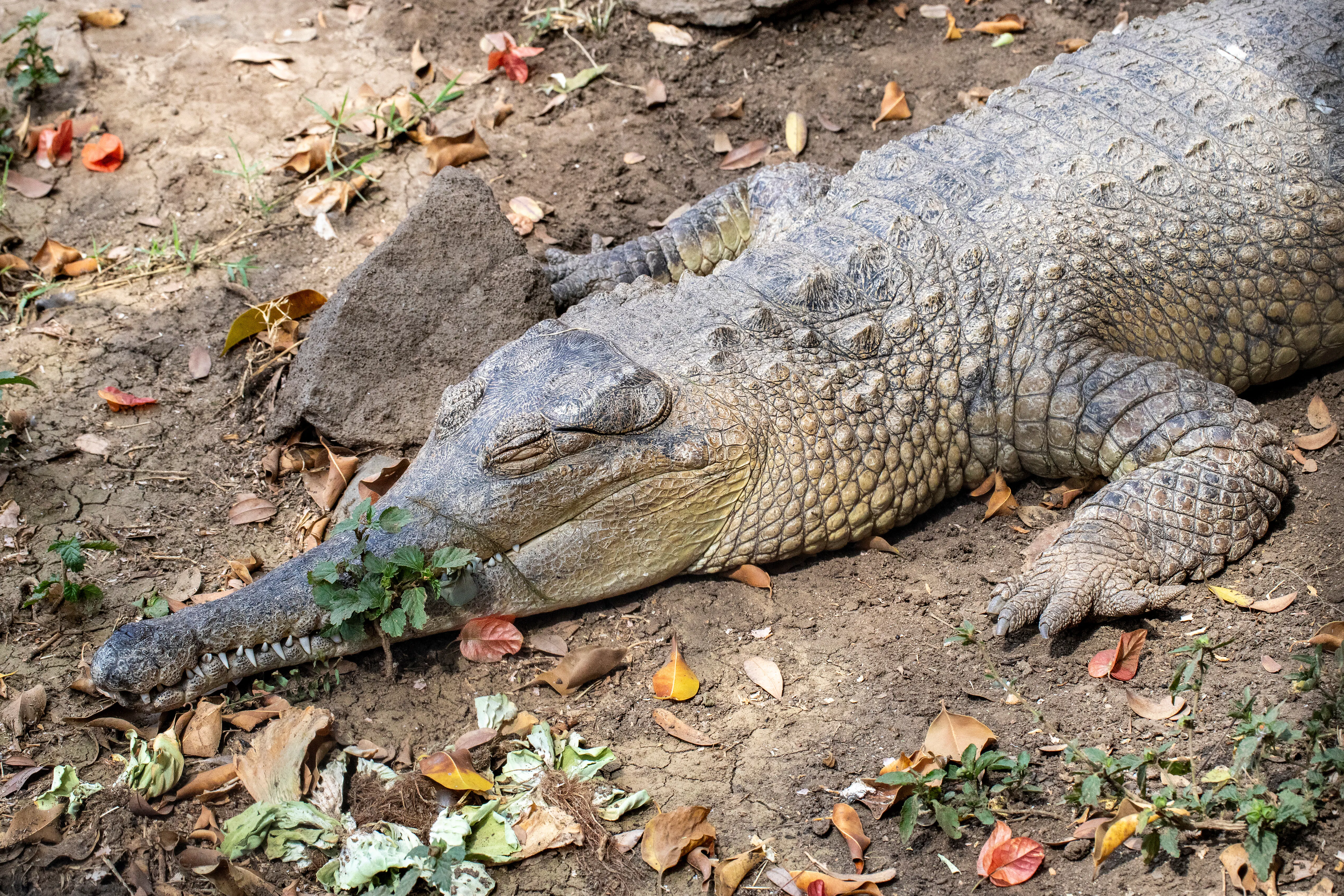
Slender-snouted crocodiles live mainly on the banks of rivers in forested areas of West Africa. However, they are sometimes also found in lakes and coastal lagoons. Like other crocodiles, they have additional, transparent eyelids over their eyes. They use these like diving goggles to prevent debris from getting into their eyes whilst submerged. Very handy for being able to see underwater!
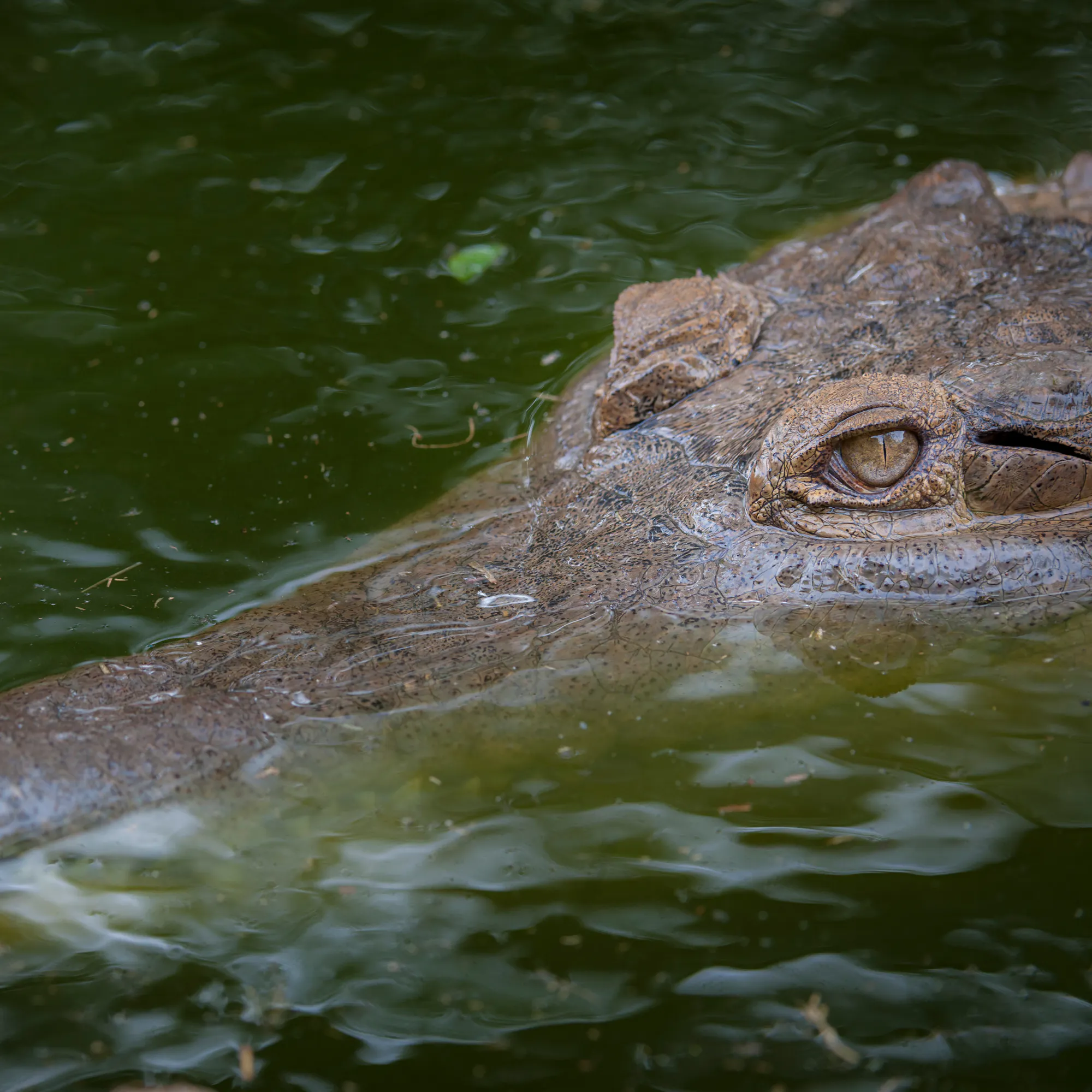
When a slender-snouted crocodile is hungry, it swims along the shore with its tail curled. It uses this to drive fish into shallow water. Because its snout is slimmer than that of other crocodiles, it can move it quickly through the water. This allows it to snap up the fish easily. Fish aren’t the only thing on the menu. Crabs, frogs and even small animals drinking at the water’s edge are also at risk.
Like other reptiles, slender-snouted crocodiles can go without food for long periods. That is why they are only fed once every two weeks at Rotterdam Zoo. If they do get hungry in the meantime, they sometimes try to catch the fish in their enclosure. Because the fish are so fast, they only manage to catch old and weak ones. This helps to keep the fish population healthy.
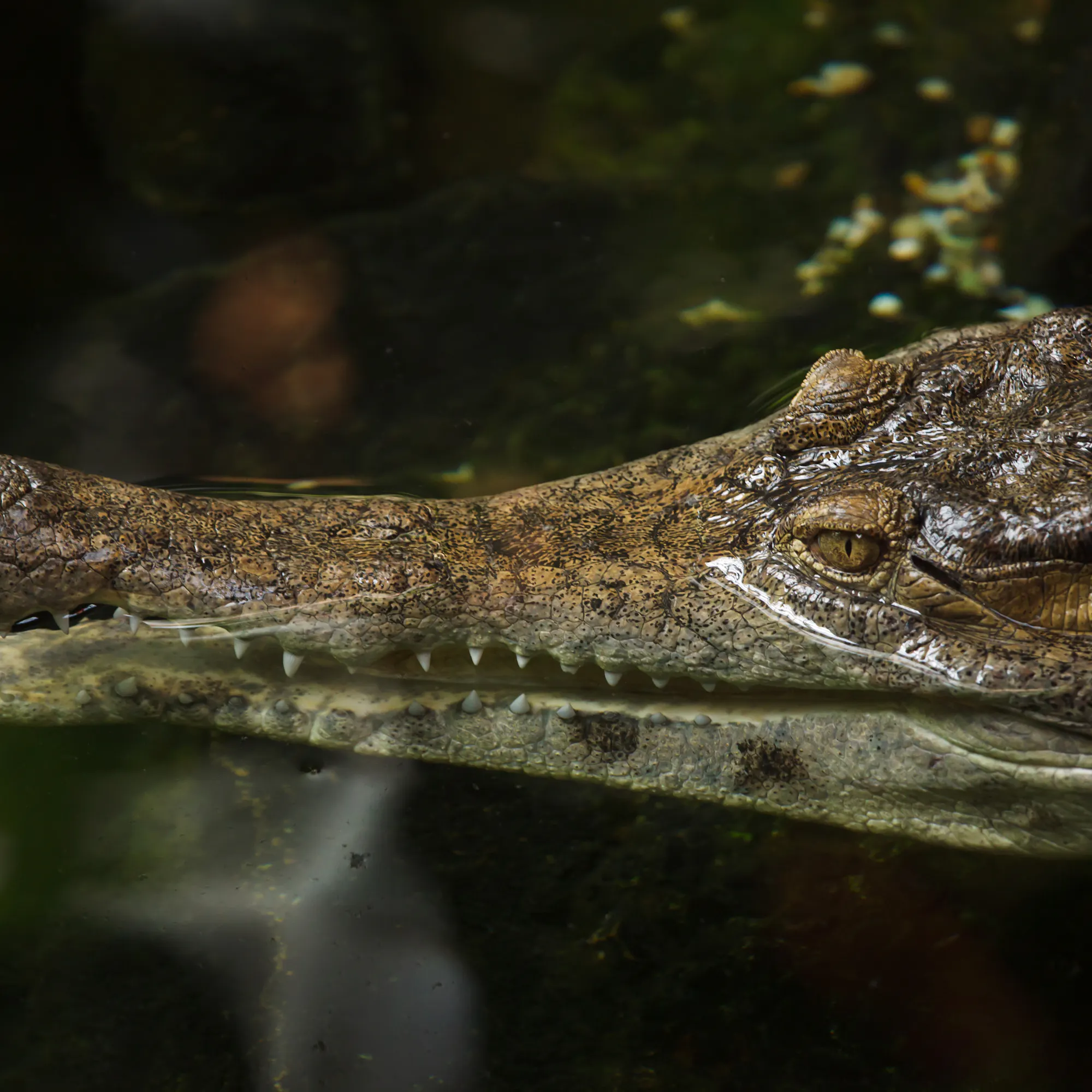
A dominant male has a territory which he defends against other males. Several females live within this territory, separate from one another. The male only encounters the females during the mating season. Slender-snouted crocodiles therefore spend most of their time living alone.
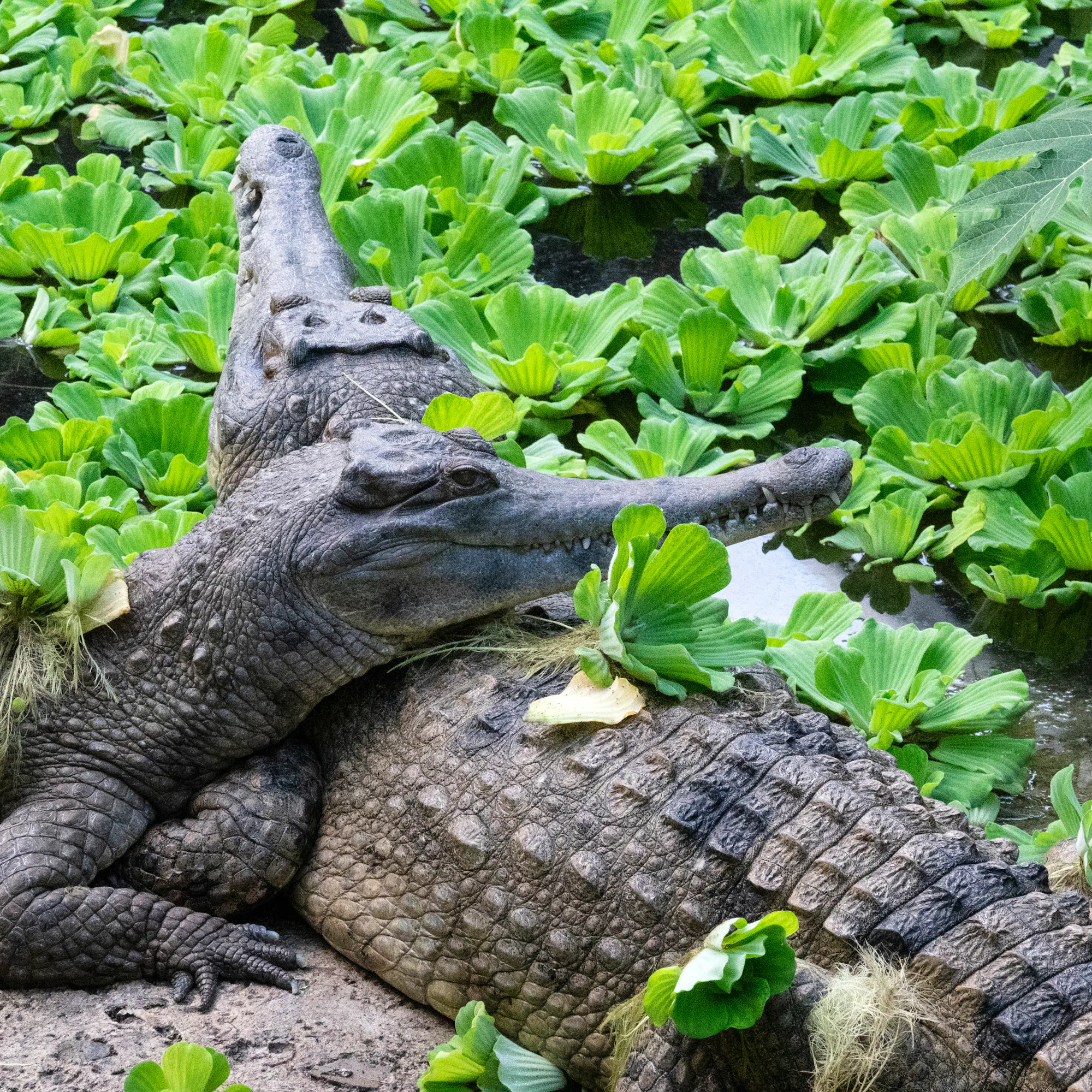
During the mating season, dominant males visit all the females in their territory to mate with them. Although little is known about how slender-snouted crocodiles do this, it is likely to be similar to the behaviour of other crocodiles.
To locate one another, they often make sounds, such as roaring or hissing. A female wishing to mate will then approach a male. They will subsequently display various forms of mating behaviour, such as rubbing their snouts together or swimming around each other. Finally, the male curls his tail around the female and they mate.
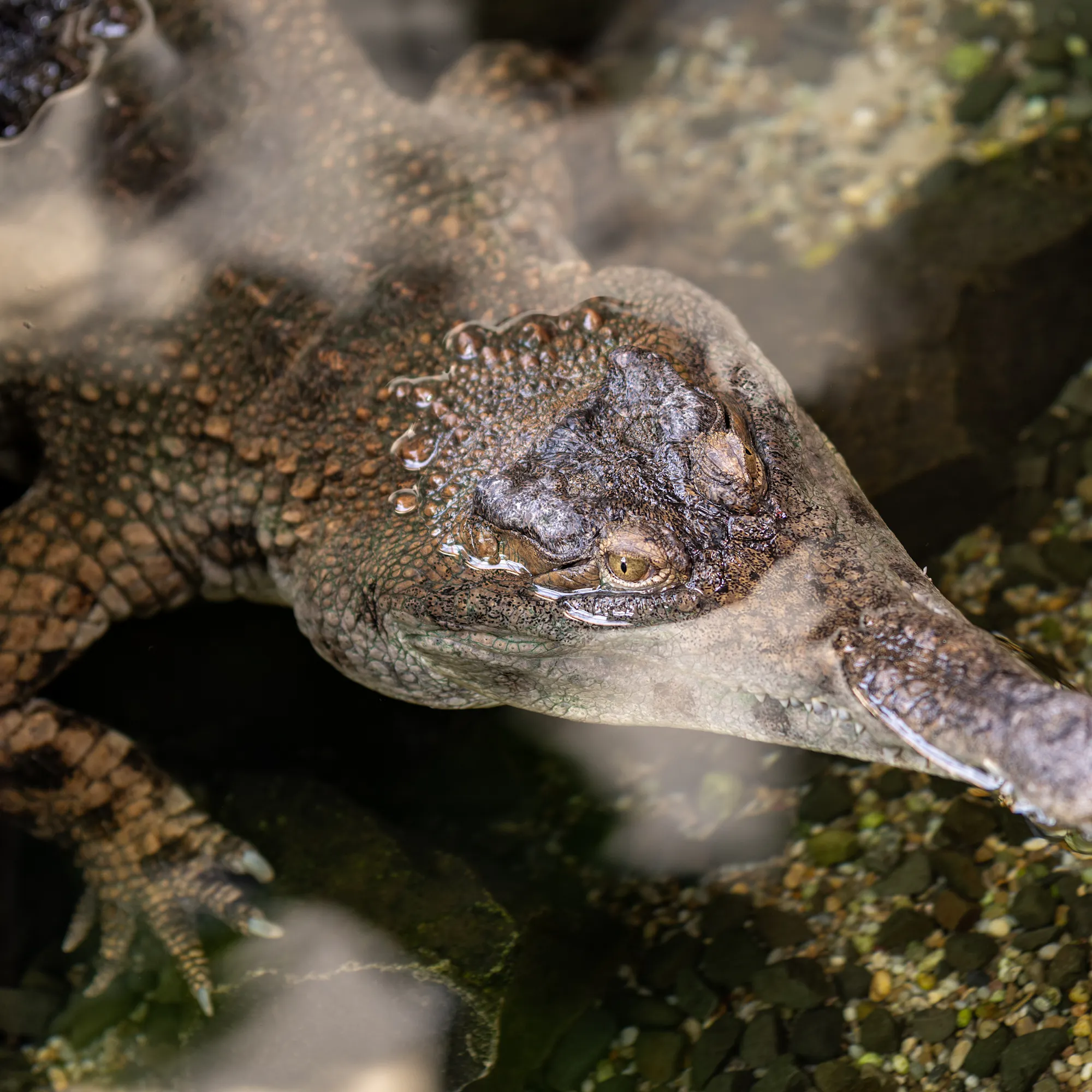
A slender-snouted crocodile mother builds a nest of dead plants and mud on the riverbank and lays her eggs there. The decomposition of the dead plants keeps the eggs warm. This is very handy because, unlike birds, crocodiles are cold-blooded and therefore cannot keep their eggs warm themselves. On top of that, the females stay close to their nest to protect it. When the hatchlings emerge from their eggs, they make a squeaking sound, after which the mother helps them out of the nest and into the water. The hatchlings are then able to hunt for themselves straight away, but remain close to their mother for safety during the first few weeks.
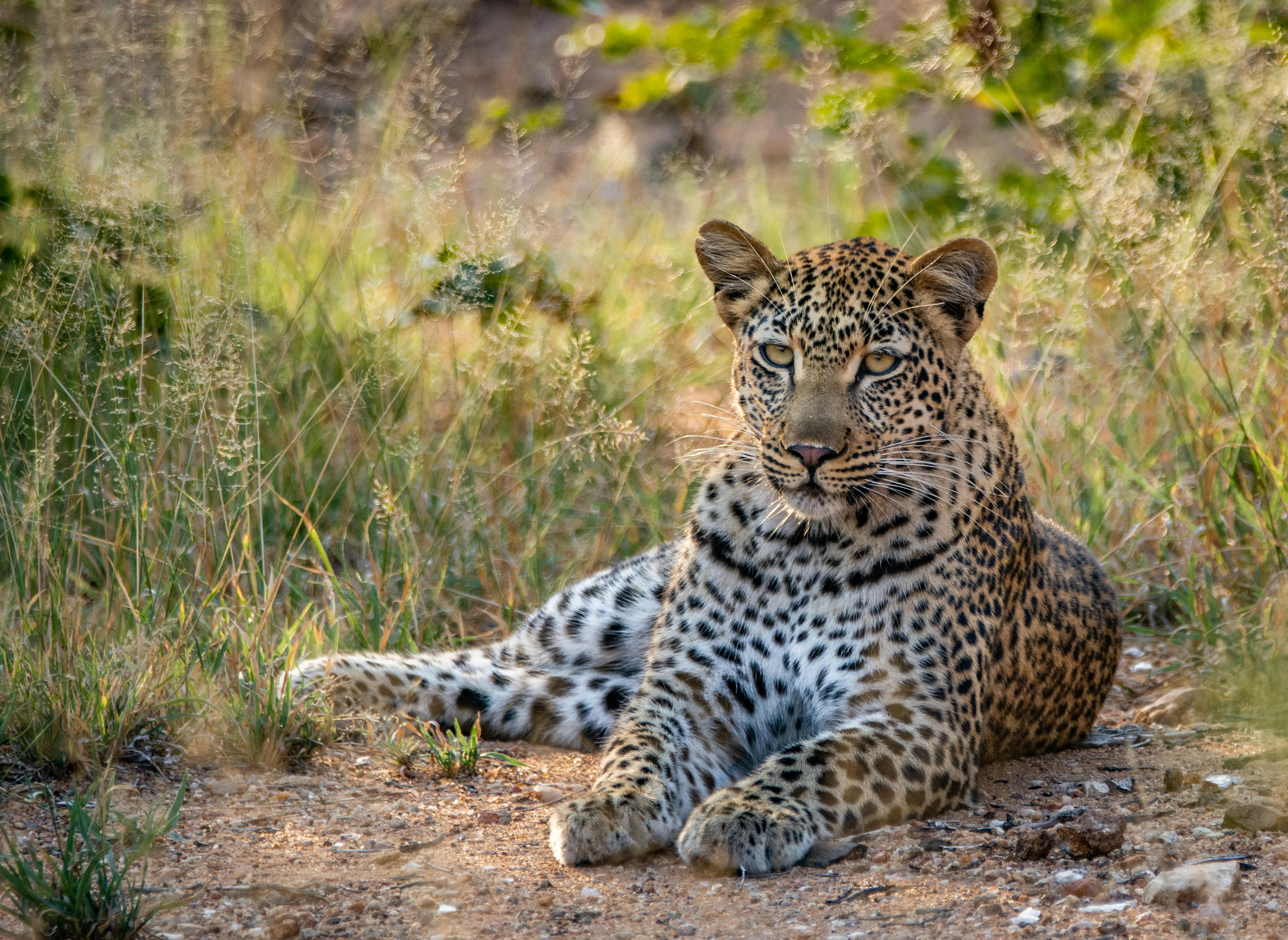
Slender-snouted crocodiles need to be particularly wary of predators when they are still small. Animals such as otters, birds and leopards all enjoy an egg or a young crocodile. Larger members of their own species also sometimes eat young slender-snouted crocodiles. Once they reach adulthood, they have little to worry about thanks to their size and sturdy scales.
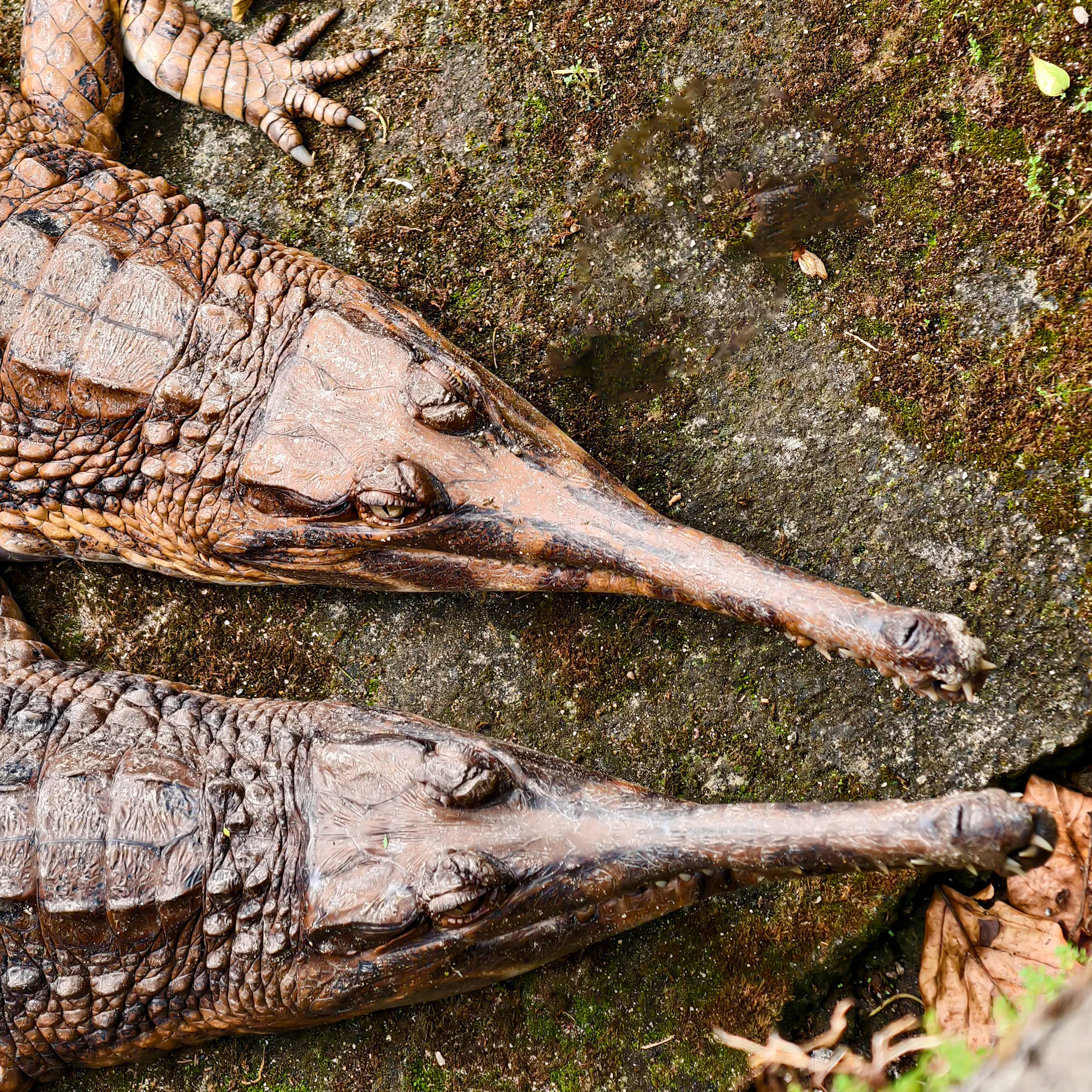
There are several reasons why slender-snouted crocodiles are critically endangered. Firstly, much of their habitat has had to make way for farms. Where this is not the case, large quantities of fish are often caught, leaving them without enough food. The slender-snouted crocodile is also hunted for its meat and skin.
The impact of these threats turned out to be even greater after researchers discovered in 2018 that the slender-snouted crocodile comprises two distinct species: one in West Africa and one in Central Africa. The slender-snouted crocodile population was separated by volcanoes around 7 million years ago. As a result, the two groups evolved independently of one another and eventually even became two distinct species. This means that the numbers of crocodiles per species are even smaller than previously thought, which increases their vulnerability.
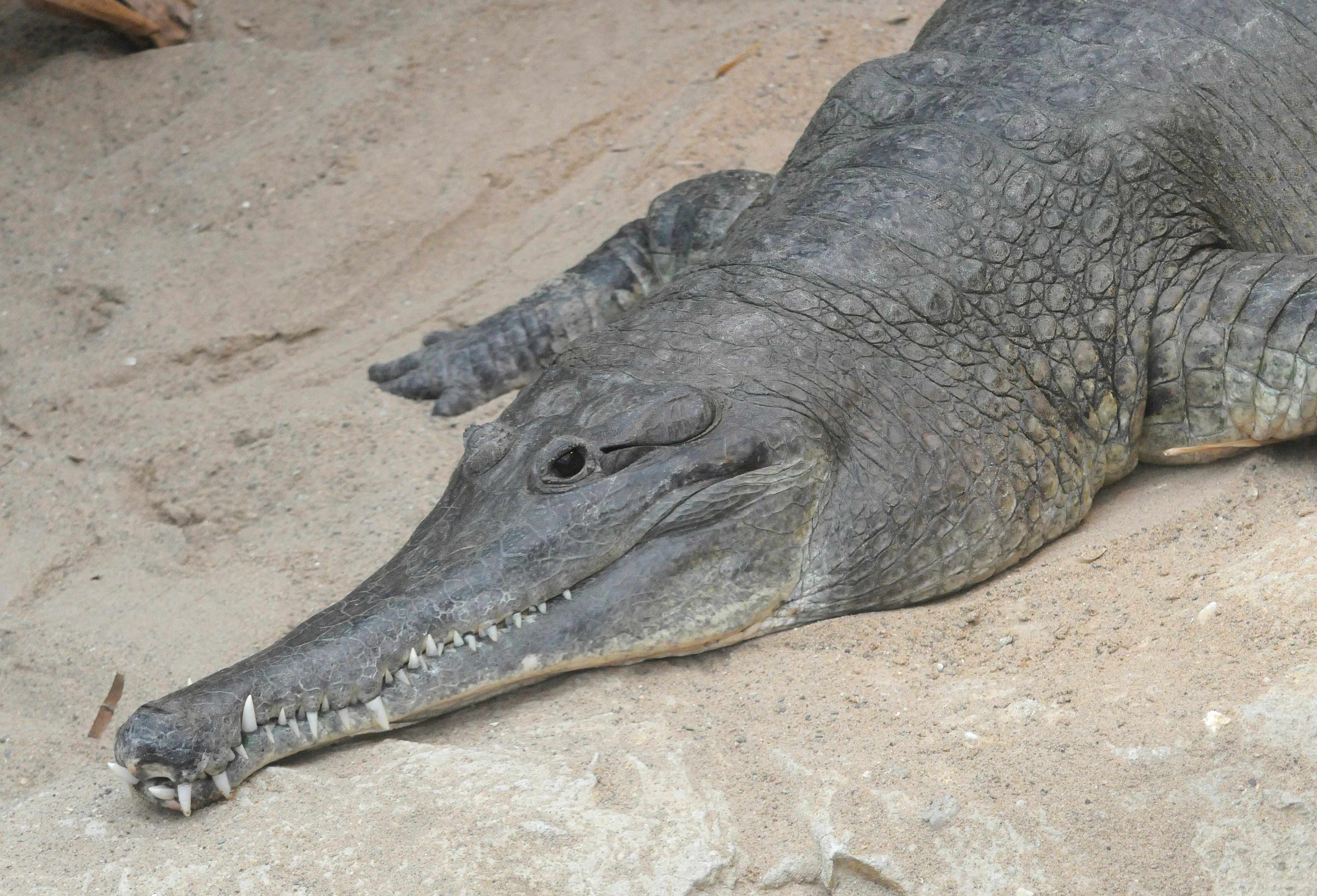
Rotterdam Zoo participates in the European population management programme for the slender-snouted crocodile. Based on the pedigree of crocodiles in zoos, the coordinator determines which animals are best suited to each other for healthy offspring. These young crocodiles are then transferred to other zoos, where they form the next generation. In this way, we are building up a healthy population as a reserve for wild animals, with the ultimate goal of returning crocodiles to their natural habitat when conditions there are favourable.