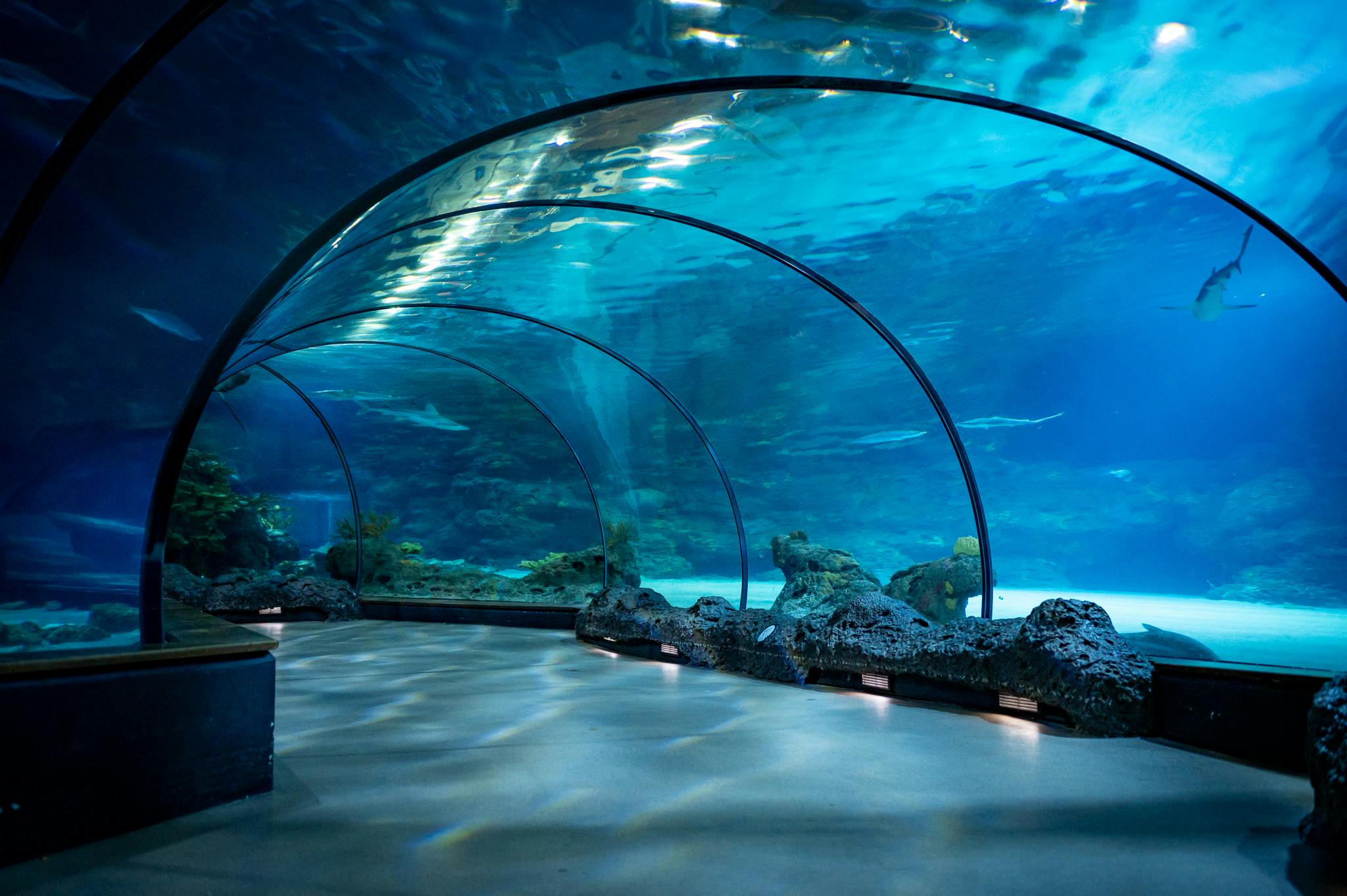
More and more research shows that fish consciously experience their environment and are sensitive to changes in their living conditions. To better assess their welfare, Diergaarde Blijdorp, Burgers’ Zoo, and Wageningen University & Research (WUR) have joined forces. Through the four-year research project ZOOVIS, the partners are working together to develop new scientific insights and practical tools to better understand, measure, and further improve the welfare of fish in aquariums.
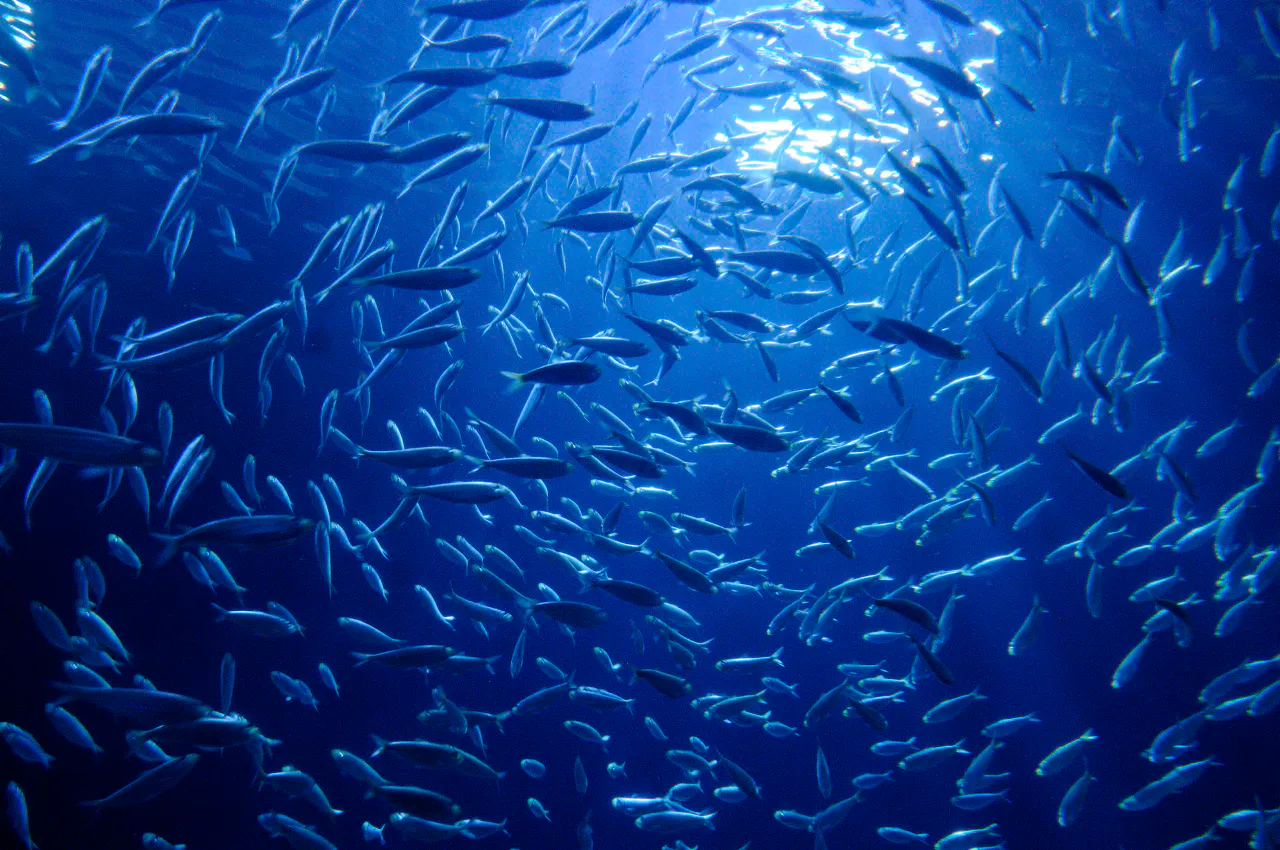
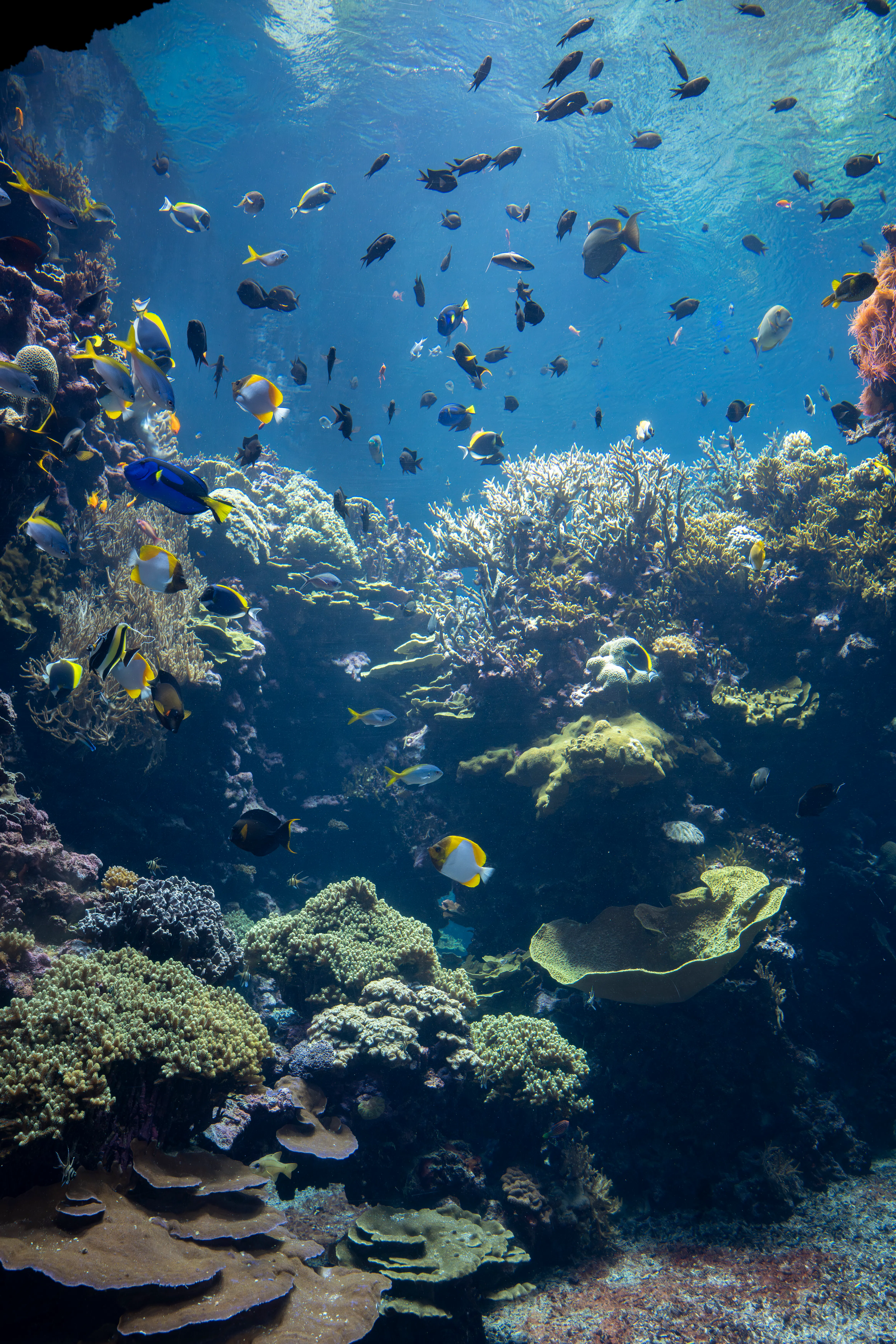
For all three partners, animal welfare is the guiding principle. At Diergaarde Blijdorp and Burgers’ Zoo, we aim to better understand how fish experience their environment and whether changes in their surroundings affect their well-being. At Diergaarde Blijdorp, the research focuses on the North Sea species living in the Oceanium, while at Burgers’ Zoo, the study is centred on tropical coral reef species in the Ocean. The project examines a range of environmental factors, including water quality, water flow, lighting, day and night cycles, and temperature, and investigates how these influence the welfare of fish living in aquariums. In this way, the two largest aquariums in the Netherlands are contributing to scientifically grounded knowledge that will help advance fish welfare.
Wageningen University & Research (WUR) leads the scientific component of the project and is developing innovative research methods, including camera-based behavioural analysis, underwater sound monitoring, and the analysis of water and fish samples. Such advances are greatly needed, as scientifically validated welfare indicators for fish remain limited. Through ZOOVIS, the partners aim to take a leading role in changing this by establishing new tools and knowledge to assess and improve fish welfare.
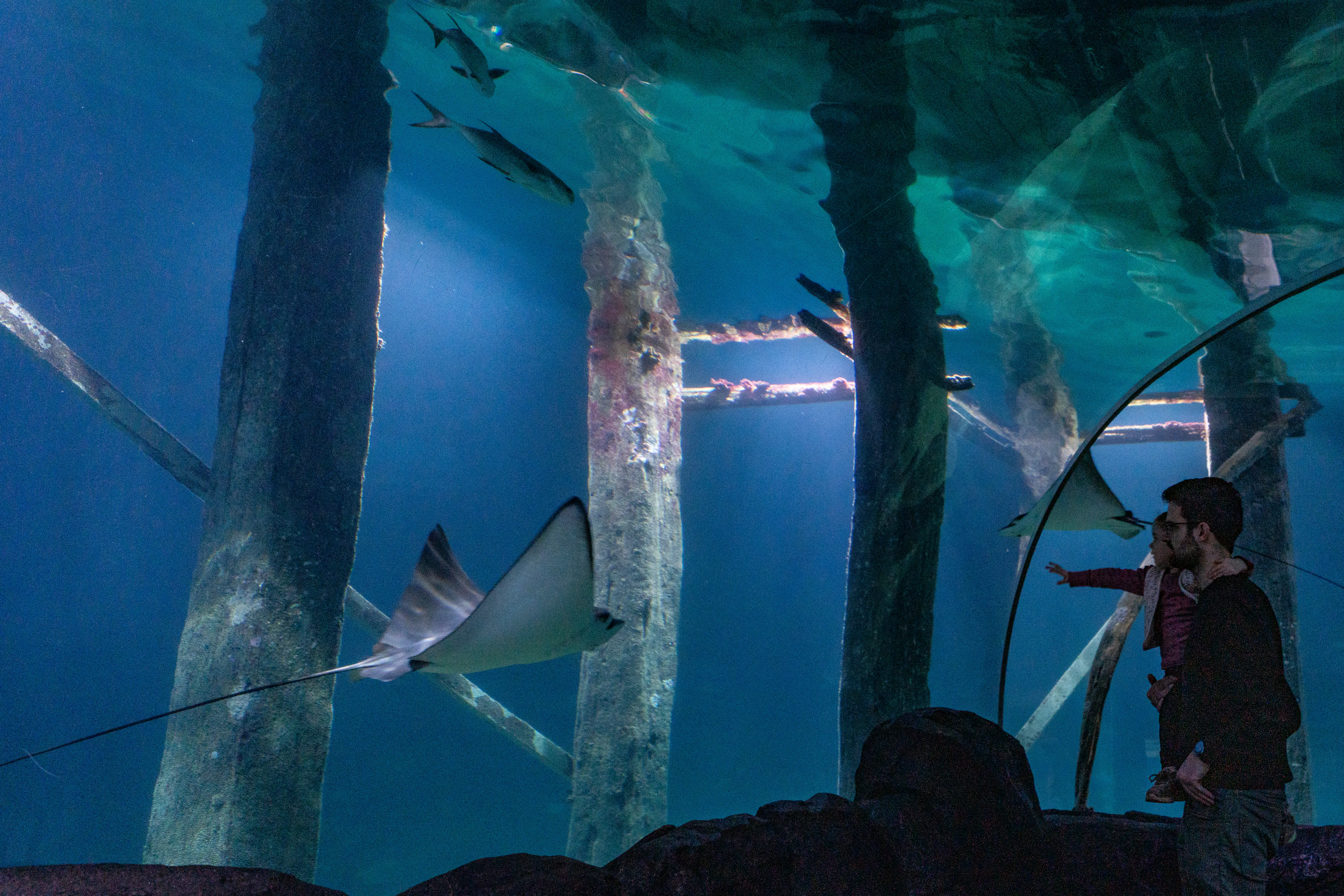
The ultimate goal of ZOOVIS is clear: to make fish welfare visible, measurable, and improvable. By combining scientific research, practical expertise, and innovative technologies, Diergaarde Blijdorp, Burgers’ Zoo, and Wageningen University & Research (WUR) aim not only to generate new knowledge, but also to translate that knowledge into tangible improvements for fish living in aquariums. In doing so, the project will help lay the foundation for a new standard in assessing, monitoring, and promoting fish welfare.