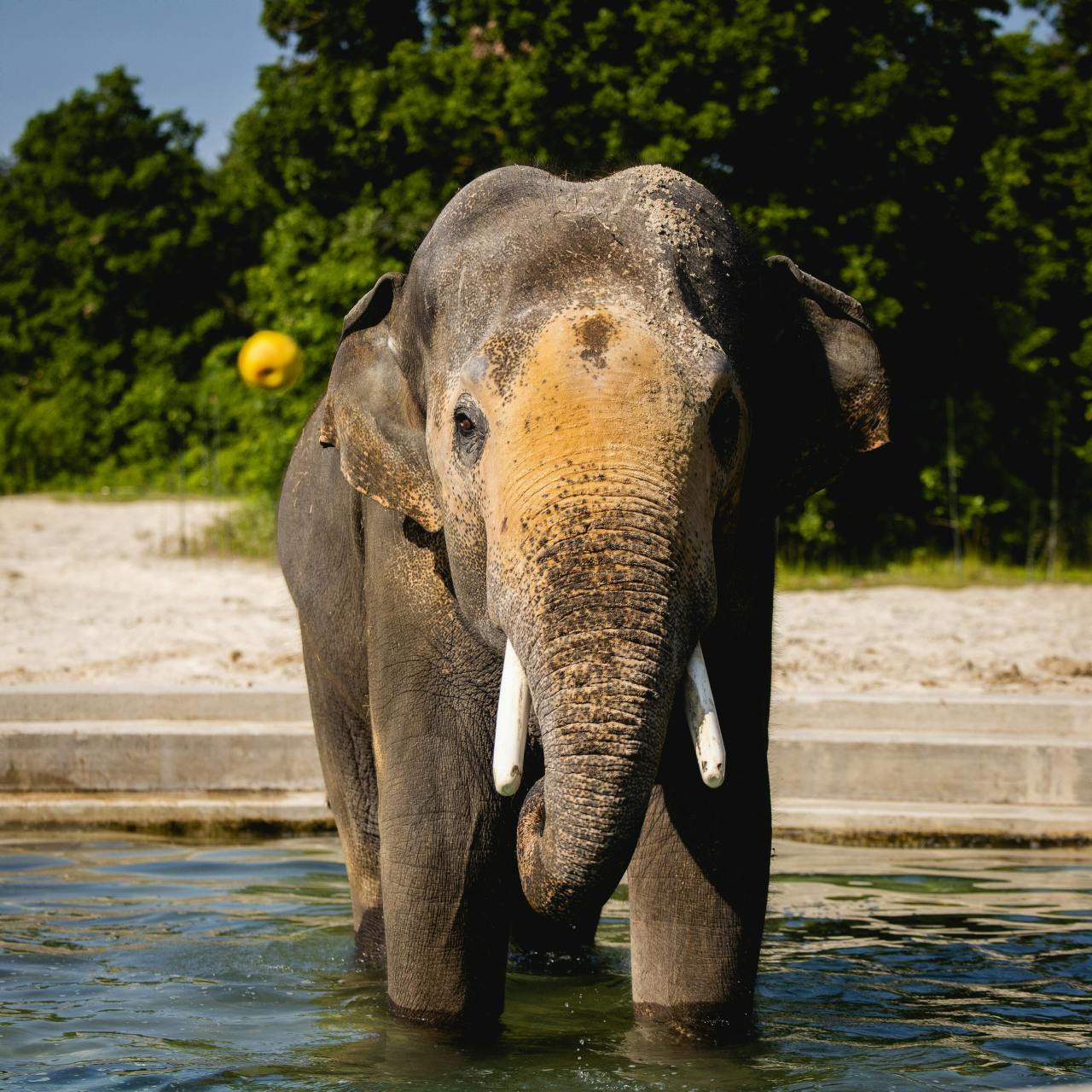
Blijdorp Zoo is home to a new male elephant named Nuka. The zoo hopes he will help ensure the survival of the species, as the population is in serious decline. Blijdorp coordinates the population management program.
It took a while due to the cold weather in Europe, but Friday, March 13 was the day. That’s when the long-awaited male elephant arrived from Veszprem Zoo in Hungary. The nearly 16-year-old bull was brought to his enclosure early in the morning. The plan is for the nearly 6000 kilo weighing male to produce offspring.
Asian elephants in the wild are not faring well. Primarily due to the loss of their habitat and the fragmentation of forest areas these giants have been declining in numbers for decades. Fortunately efforts are being made worldwide to save the species from extinction. Rotterdam Zoo plays an important role in the conservation of the species. The arrival of the bull named Nuka was arranged at the recommendation of the Rotterdam coordinator of the Asian elephant population management program. Based on genetics the “Hungarian” bull is a perfect match for the two females already residing at the Rotterdam Zoo. The new bull will therefore be able to sire produce offspring with both of them.
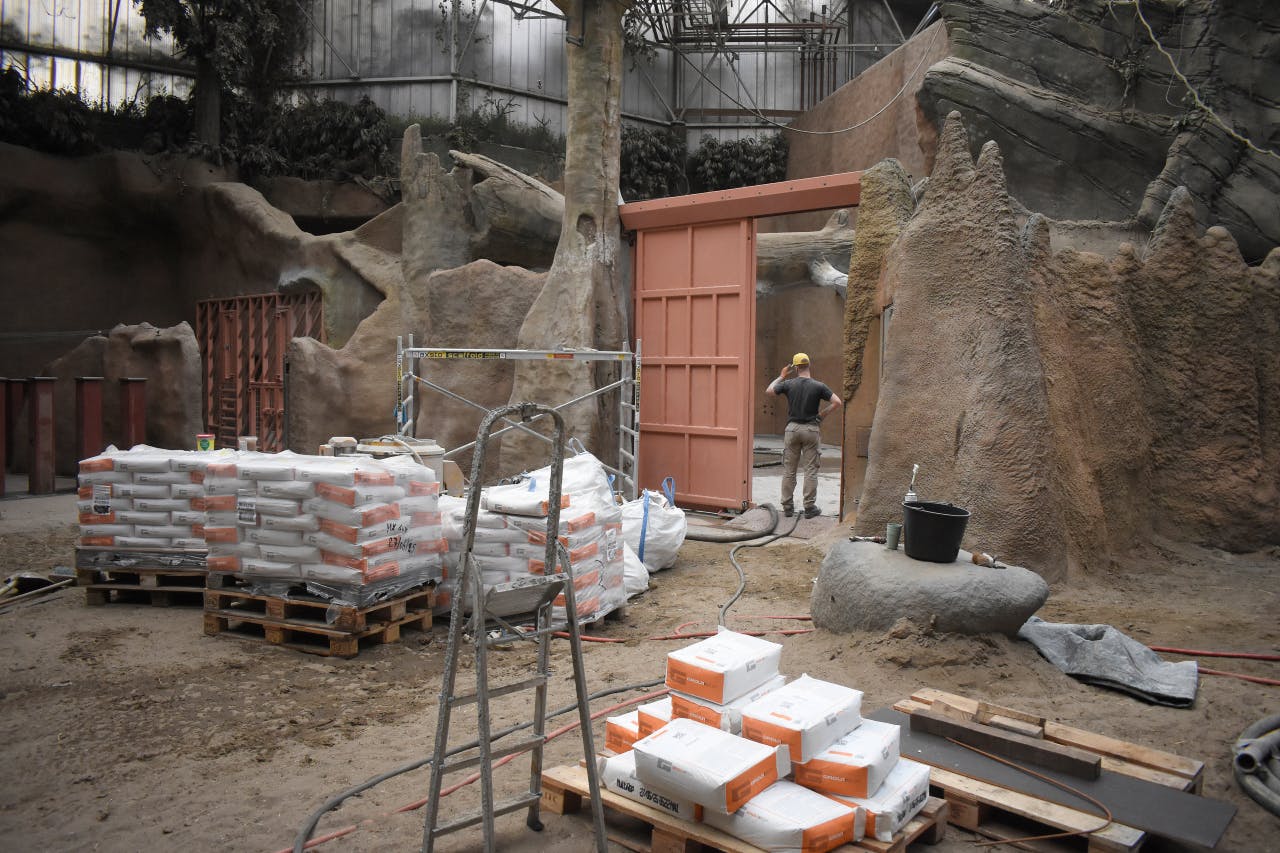
To provide the new bull with a suitable home, the so-called bull enclosure has recently undergone extensive renovations. Male elephants typically live apart from the group and therefore require their own enclosure. With these recent upgrades, the facility now meets modern standards both indoors and outdoors. These renovations were partially made possible by the Friends of Blijdorp Association.
Having said that, the zoo hopes that the bull will join the group. The two lively “teenagers,” Maxi (3.5 years old) and Radjik (almost 5 years old), still have a lot to learn from an adult bull. However, only time will tell how all the animals interact with one another.
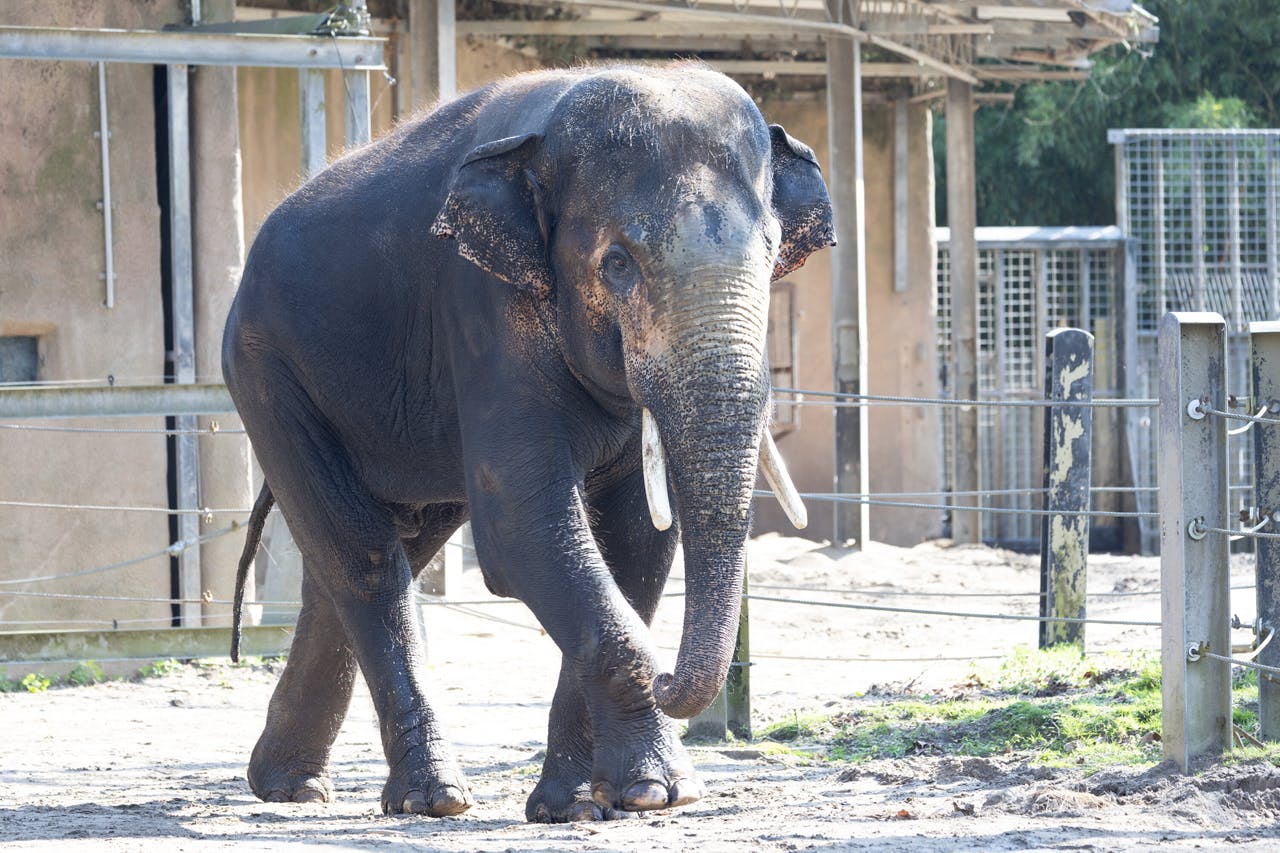
Rotterdam Zoo is committed to the conservation of the Asian elephant in various ways. The zoo coordinates the European Endangered Species Program (EEP) for this endangered species, using international studbook data to determine which animals are best suited to breed with one another in order to maintain a healthy population in zoos. In addition, Blijdorp collaborates with international partners on research into wild elephant populations. For example, DNA from dung samples is used to better map and monitor populations living in the wild. Rotterdam Zoo also contributes to research on the deadly elephant herpesvirus (EEHV) and to the development of a vaccine designed to better protect young elephants worldwide.
With offspring expected in Rotterdam in the coming years, there is currently more good news to report. It was recently announced that one of the females who moved from Rotterdam Zoo to Washington Zoo several years ago has given birth. In this way, “Rotterdam” is also contributing to the survival of the species on an intercontinental scale.