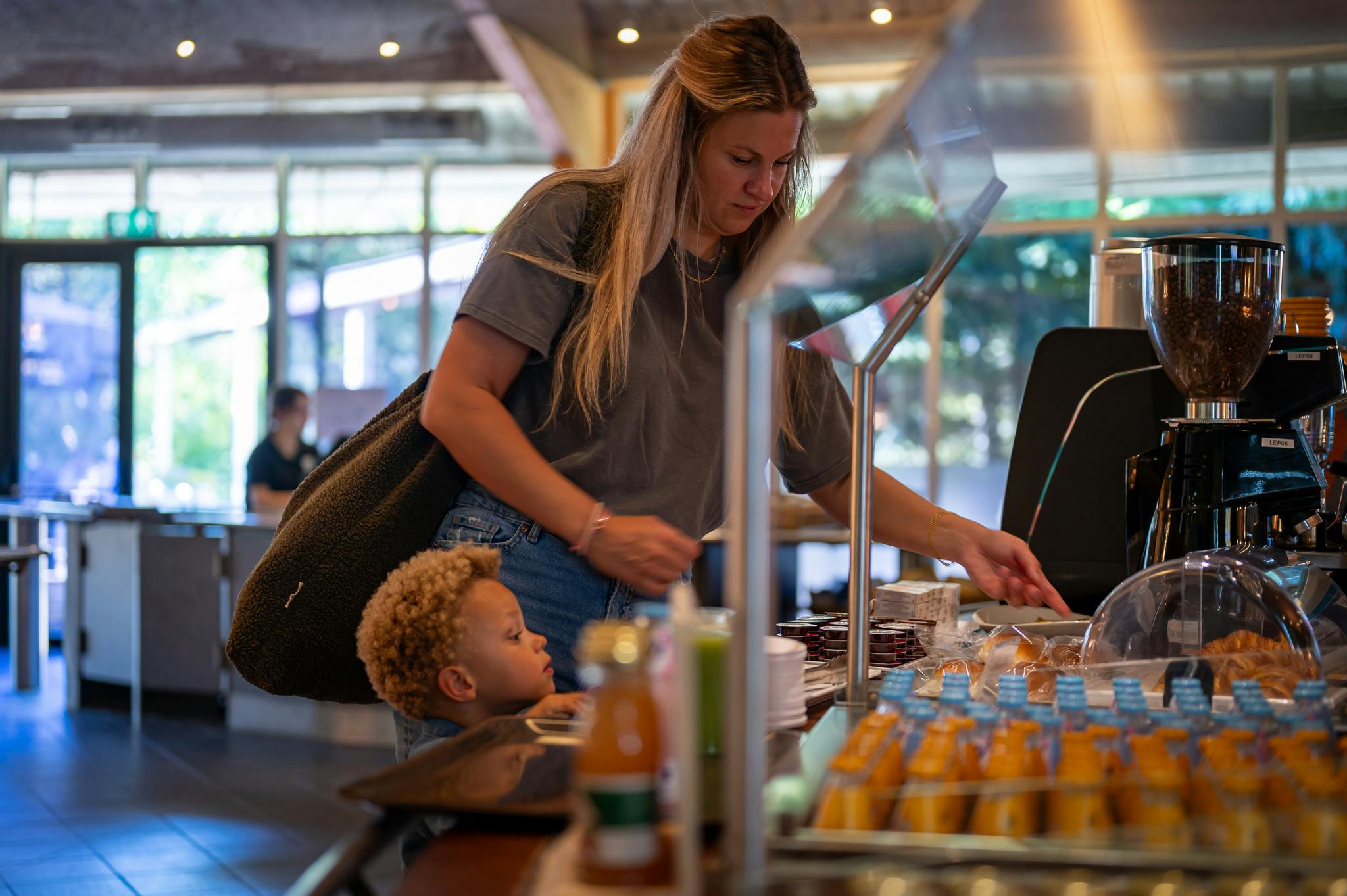
At Rotterdam Zoo, we aim to offer food in the most sustainable way possible. This applies not only to the diet of our animals, but also to the food and beverages available to visitors at our catering locations. In addition, we carefully consider the packaging materials we use.
The production of meat and dairy products results in significant greenhouse gas emissions. To protect the environment and animal welfare, visitors can choose to reduce or fully eliminate meat and even dairy and eggs from their diet. When visiting Rotterdam Zoo, guests can opt for vegetarian or vegan choices. For example, our croquettes are vegan and our sausage rolls are vegetarian. Each year, we also actively participate in the national Week Without Meat. Any products containing meat that we offer are selected with careful attention to animal welfare and environmental impact.
In addition to offering sustainable food, Rotterdam Zoo pays close attention to packaging. We use a biobased disposable product line, which includes items such as drinking straws and cups made from lactic acid, a plant based material known as PLA. Sauce containers made from sugarcane are also used.
From 1 January 2024 onwards, the SUP legislation applies to Rotterdam Zoo. This means that all cardboard coffee cups with a plastic lining must be replaced with approved alternatives. The zoo is currently actively implementing these changes. By reducing plastic use, Rotterdam Zoo aims to contribute to a cleaner world.
Sustainable food is not only important for visitors but also for the animals at Rotterdam Zoo. Leaf waste is collected from local potted rose growers, amounting to approximately 2,500 kilograms per week. These rose leaves are a true delicacy and enrich the diets of animals such as okapis. Giraffes, gorillas, black rhinoceroses and many other residents also enjoy them.
The leaves are naturally sweet, non toxic and contain little to no pesticides, as pest control in rose cultivation is largely biological. This makes them an ideal and responsible food source for the animals.
Other animals at Rotterdam Zoo that receive sustainable food include the sea lions. They are fed exclusively with herring certified by the MSC label, which stands for sustainable fishing practices set by the Marine Stewardship Council.
In 2010, all zoos affiliated with the Dutch Association of Zoos transitioned to the use of sustainably produced soy in animal feed, amounting to approximately 43,000 kilograms per year.
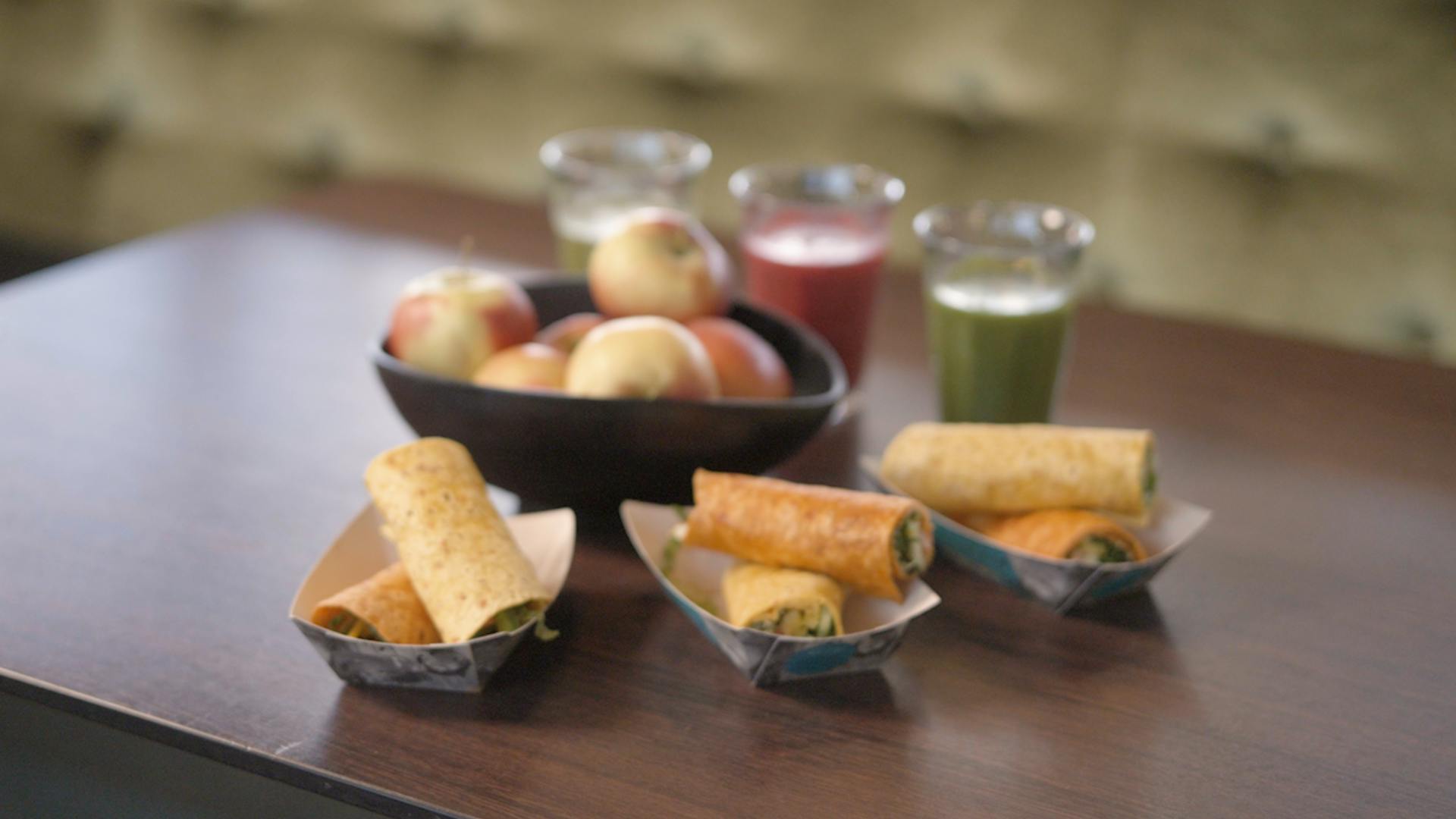
When it comes to food, the ambition of Rotterdam Zoo is for the entire offering to be at least ninety percent plant based. The remaining ten percent will not come from intensive livestock farming but will consist of alternatives such as wild game, certified products or organic food.
Rotterdam Zoo also closely follows future innovations in food production. In the longer term, options such as insect based products, cultured meat or even 3D printed meat may become part of the food offering.